Wall dehumidifier for a kitchen: checks before choosing ATE or ATG
November 11, 2026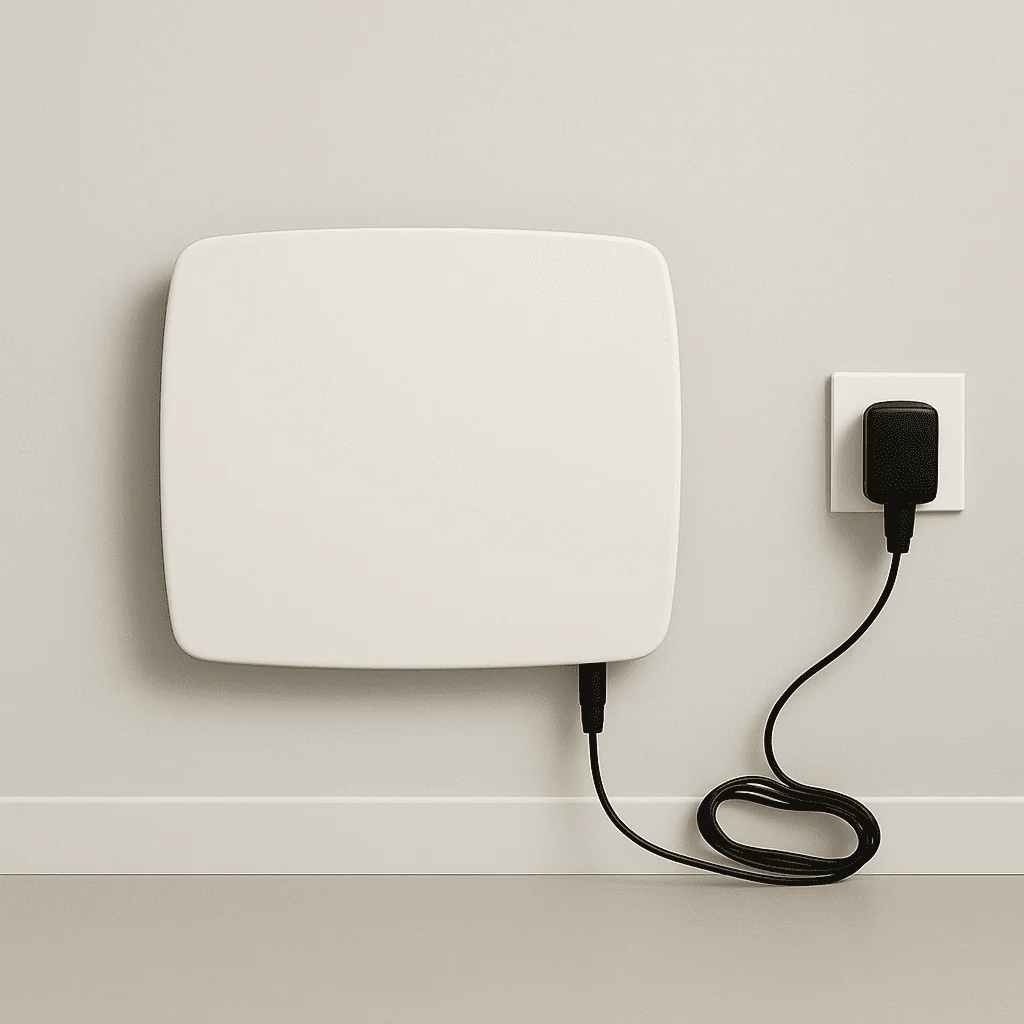
Rising damp: discover Humidistop ATE and ATG wall-drying devices
November 17, 2026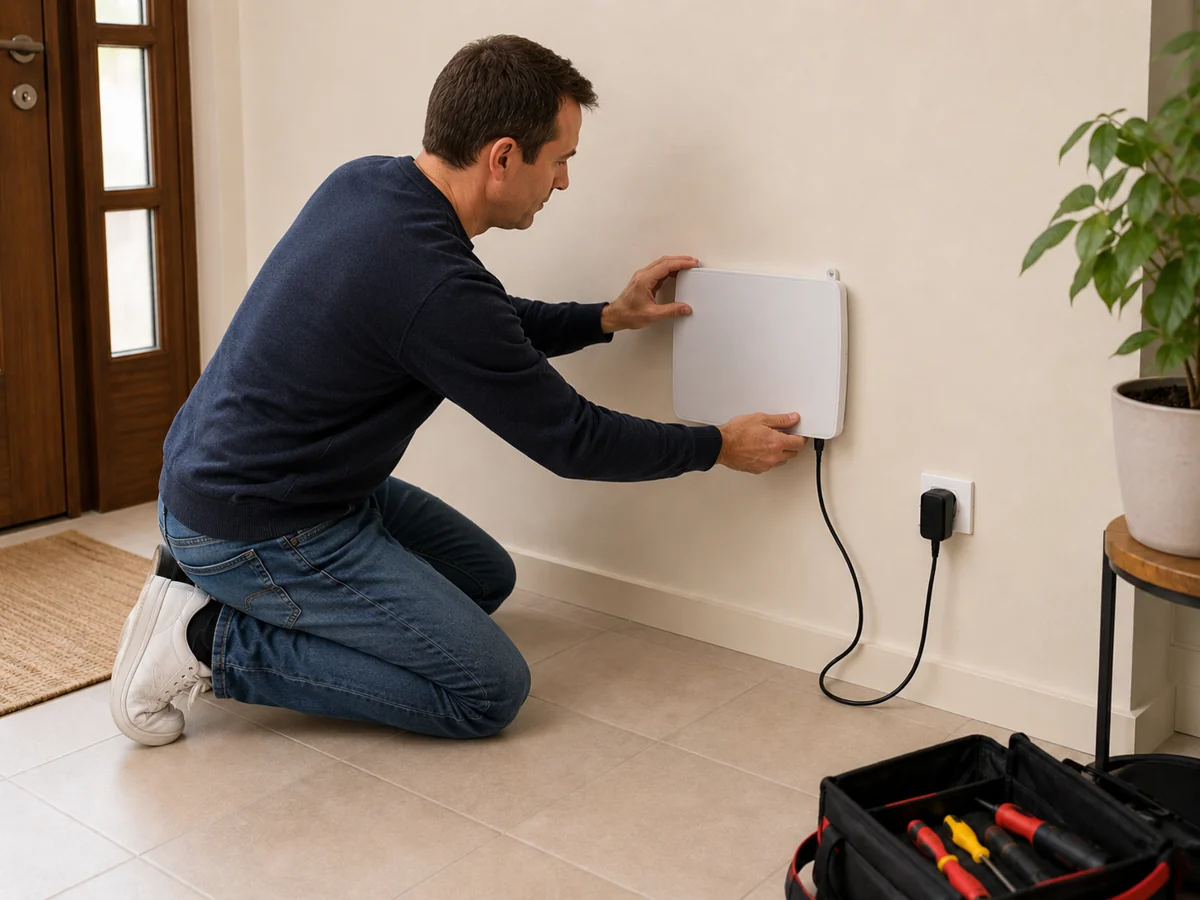
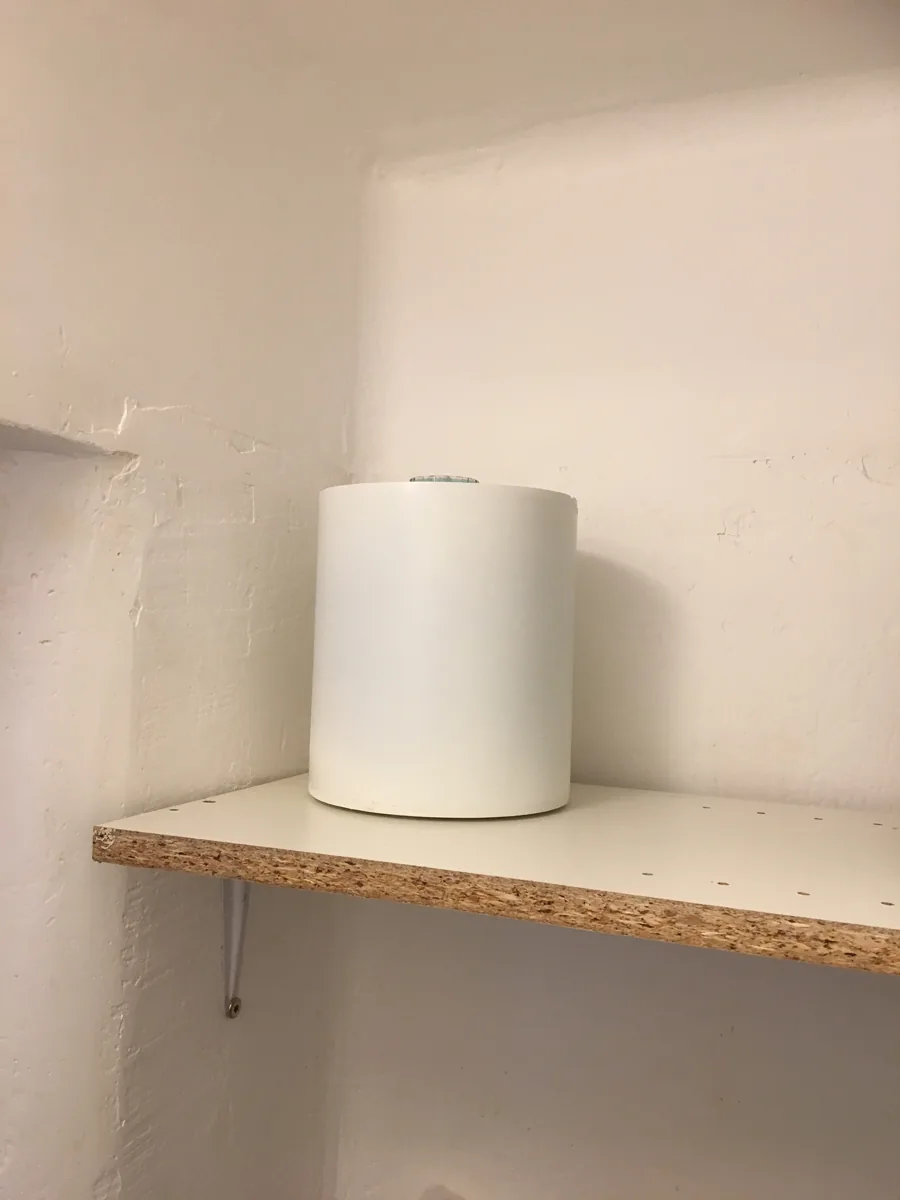
A hallway may seem the ideal location for a wall dehumidifier because it connects several rooms. That impression needs to be checked against the building plan and the device instructions. Help Humidité offers ATE and ATG models for masonry affected by identified rising damp, with selection based on the layout and a suitable installation position.
A central passage is not automatically the centre of coverage
Draw the rooms, affected walls and any extensions. An entrance that is central to everyday movement may still be far from one wing of the house. A stated coverage diameter is not a floor area in square metres. Map it onto the plan and seek advice if the building has a complicated arrangement.
Explain whether the symptoms concern one wall, several rooms on the same level or separate areas. A photograph of the front of the house cannot replace this information. Even a clear hand-drawn sketch can make the discussion more useful than an estimated overall floor area.
Check damp beside the front door
Damage at the base of a wall near an entrance does not automatically establish rising damp. The threshold, rain entry and nearby plumbing may also need investigation. An ongoing leak or penetration problem should not be left untreated simply because a wall drying device is being considered.
ATE and ATG devices are not air moisture absorbers or repairs for a defective doorstep. Their suitability is considered after the source of water in the masonry has been identified. Where several causes coexist, the work needs to address each of them.
Allow for doors, furniture and access
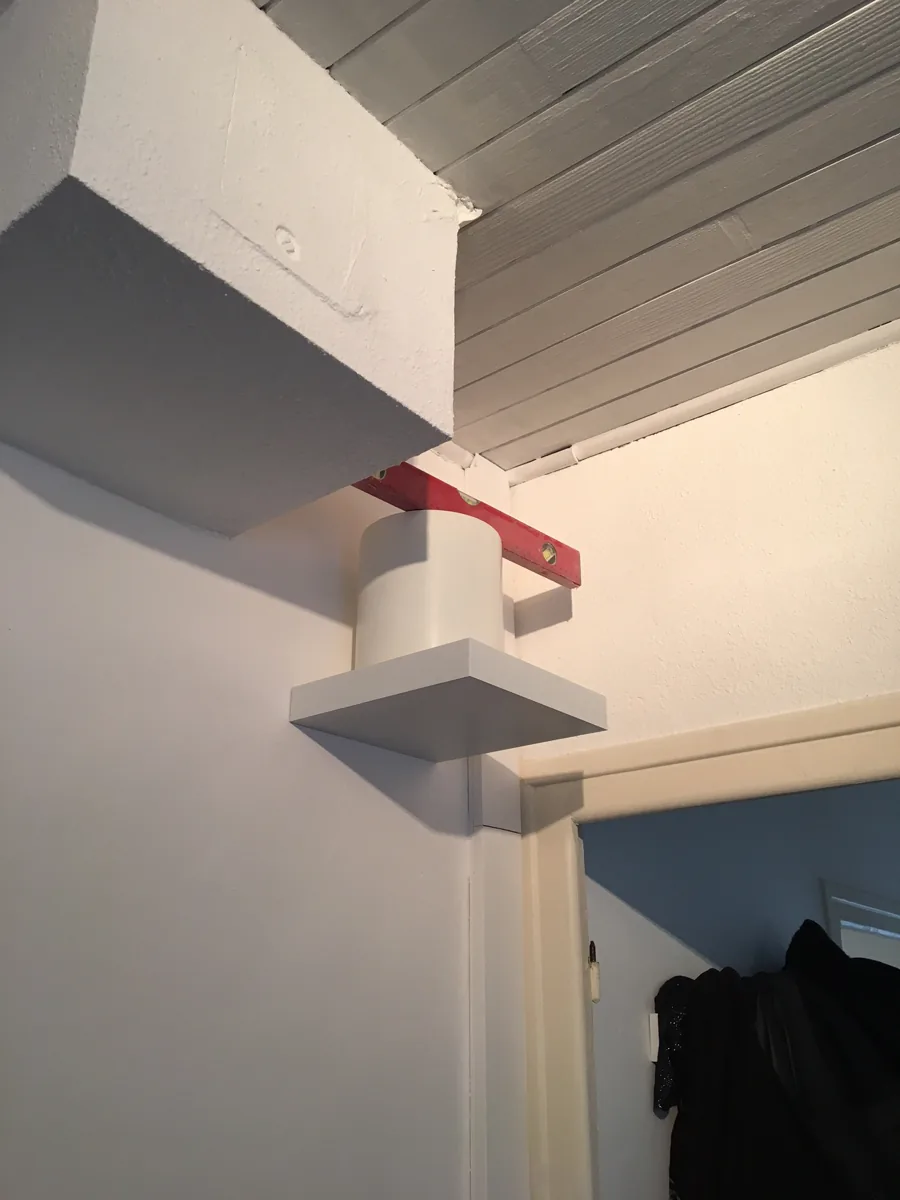
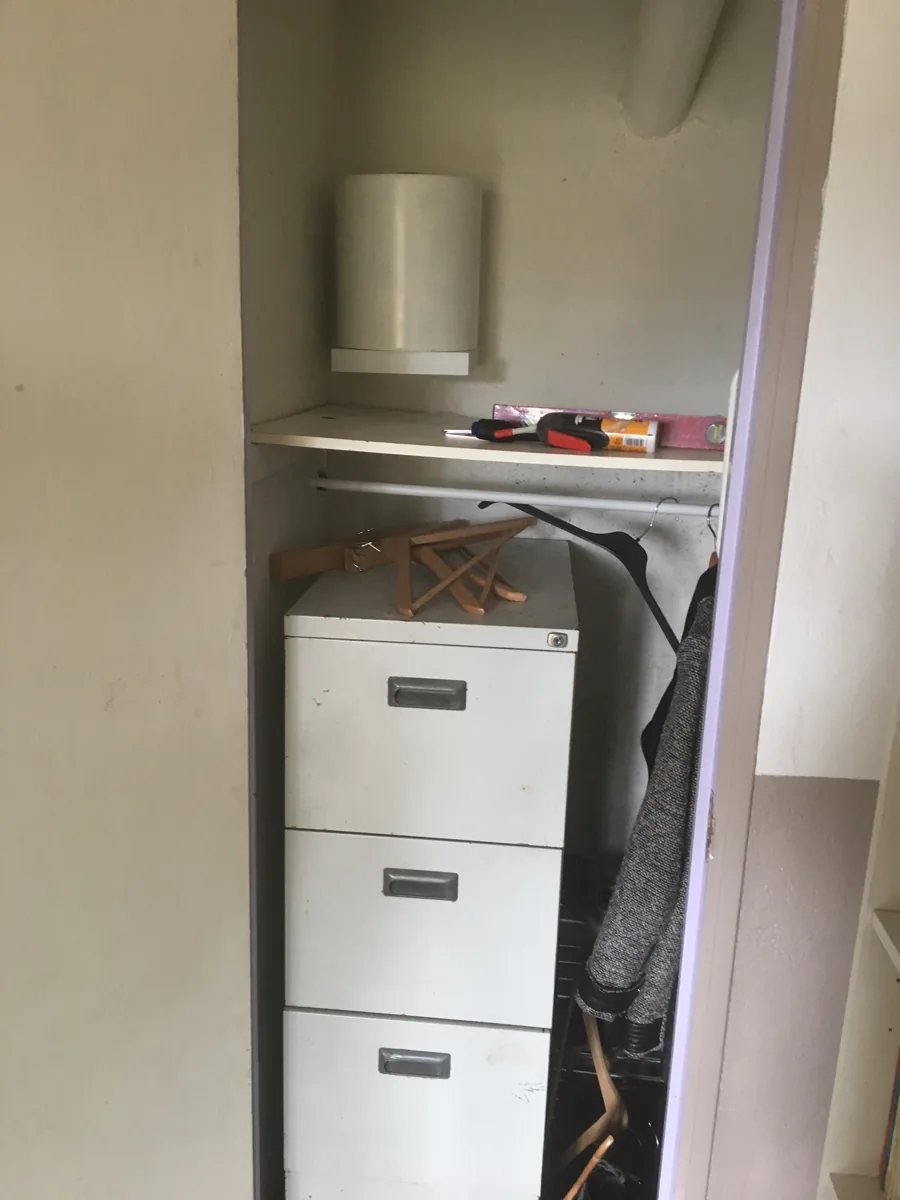
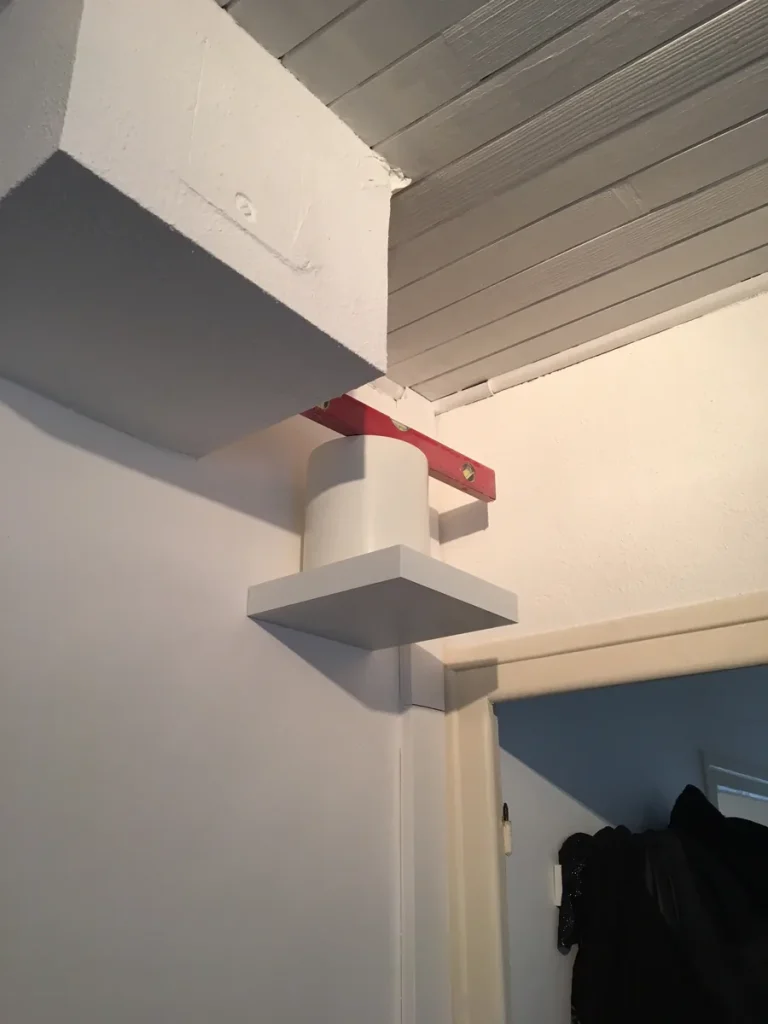
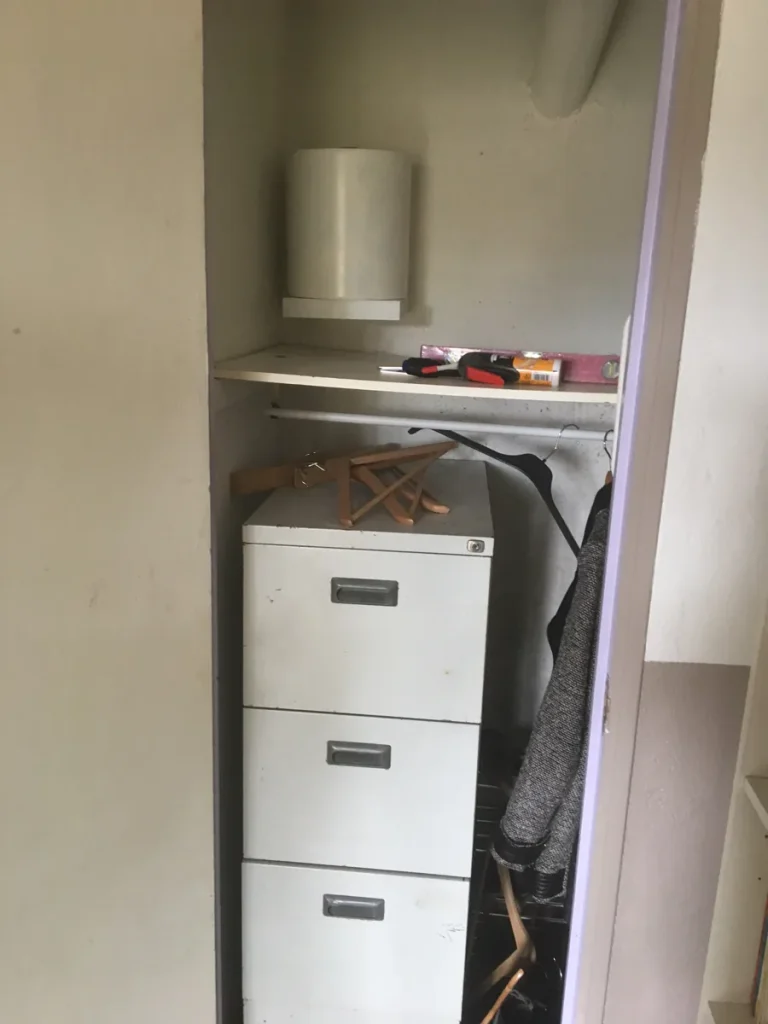
Mark the door swing, coat hooks, cupboards and normal walking routes. Installation must follow the instructions while remaining compatible with everyday use of the hallway. Do not select a position solely because it disappears behind furniture or because there is already a convenient fixing hole.
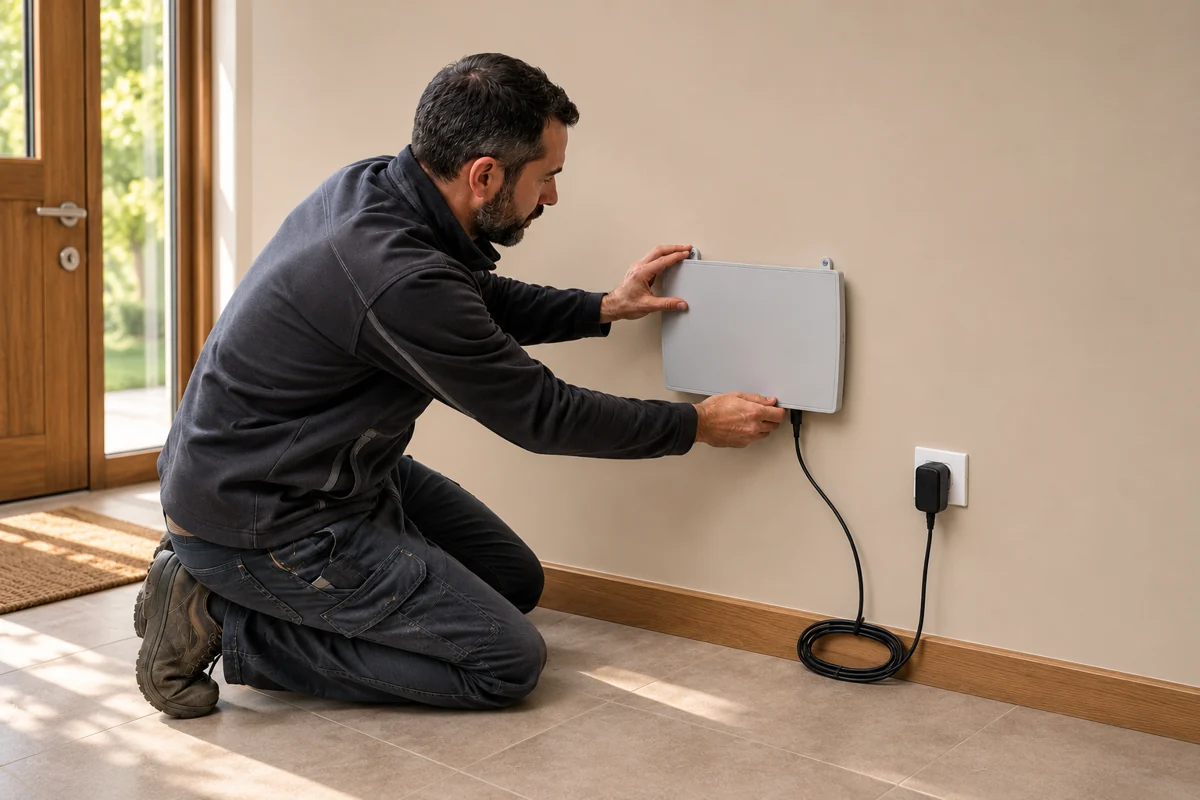
An ATE needs a mains supply suited to its intended use; an ATG is selected without an electrical connection. This distinction can matter in a hallway without a socket. It does not replace checks on the exact model, its coverage and installation conditions. Locate concealed pipes and wiring before drilling.
Send a practical proposal before ordering
Compare the devices in the Help Humidité shop, then send a plan with the positions you are considering through the contact form. Include photographs of the hallway and affected walls. After installation, document the position and subsequent observations. Decide when to redecorate from the wall’s actual condition; fitting a device alone does not establish a certain drying deadline.