Geomagnetic wall drying device: ATG reviews, prices and installation | Help Humidité
November 6, 2026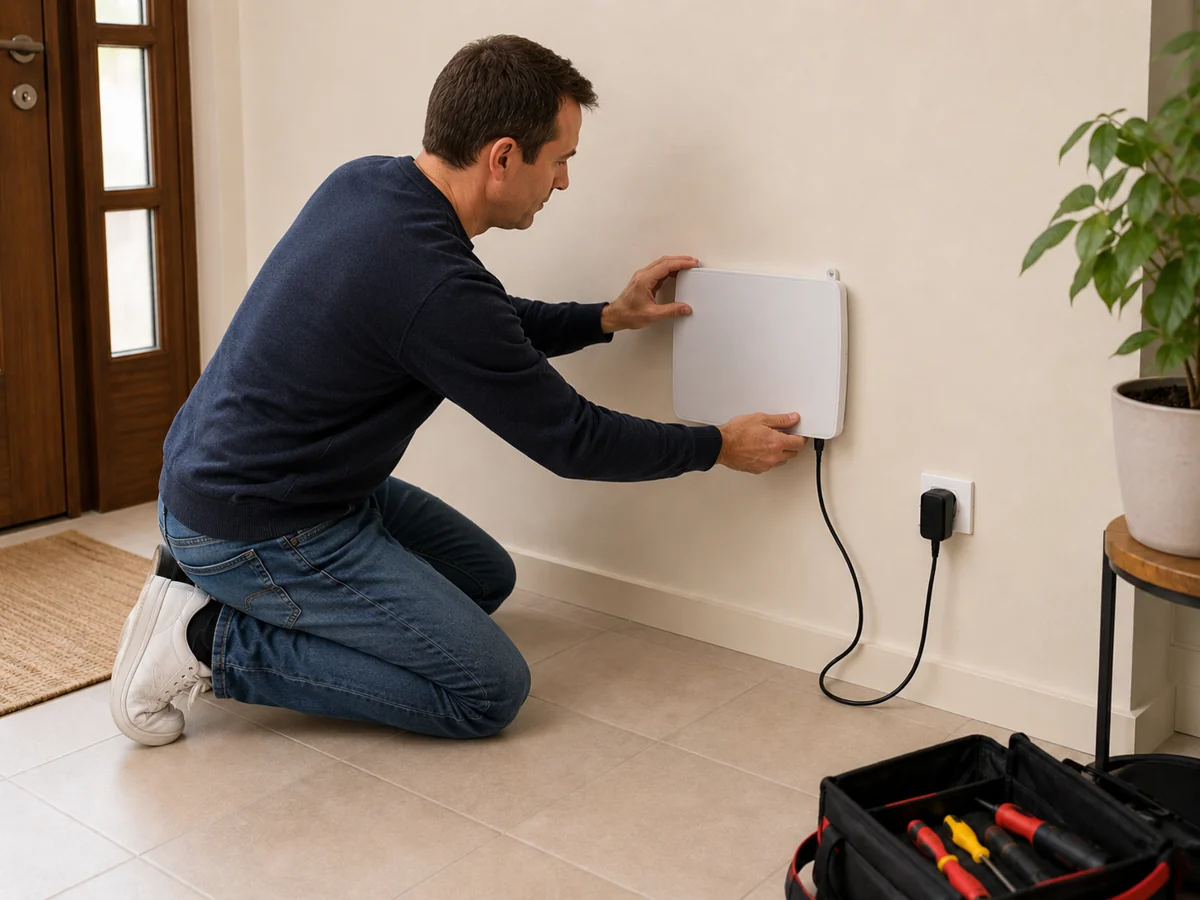
Wall dehumidifier in a hallway: position, access and coverage
November 11, 2026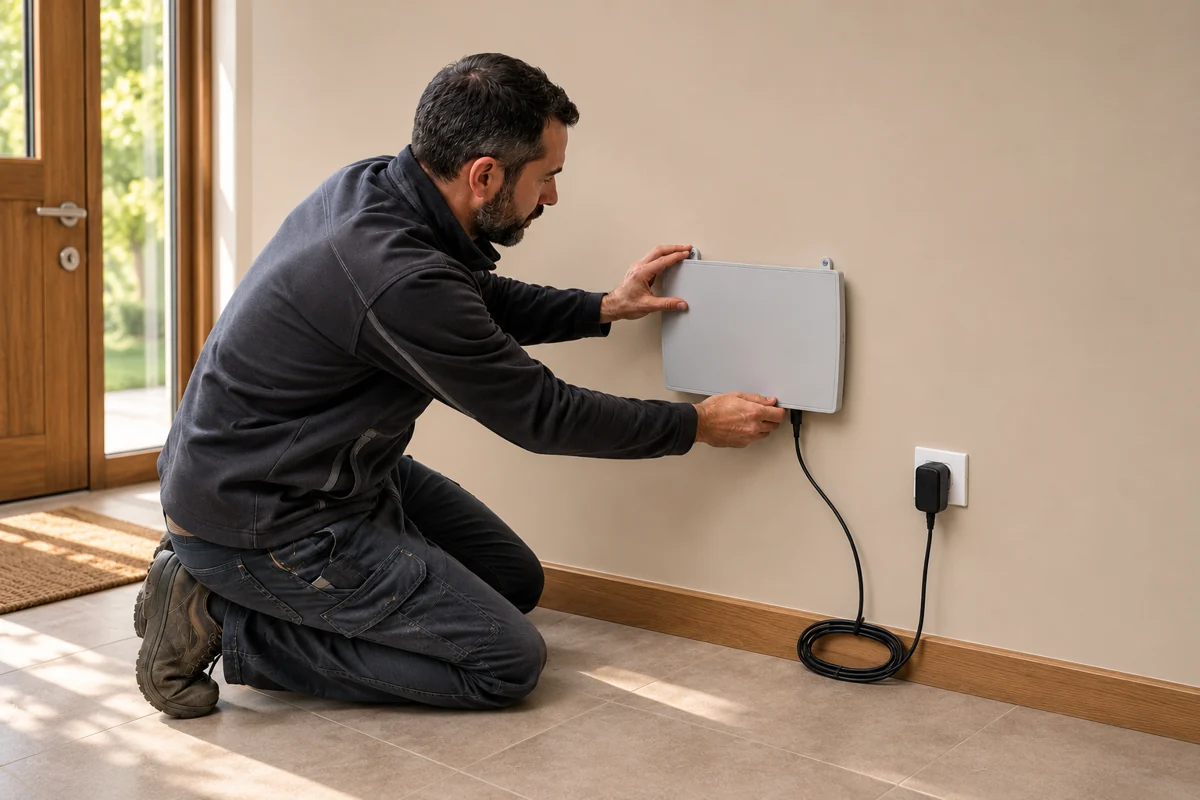
A damp kitchen wall can make buying a wall dehumidifier seem like the next obvious step. Yet a kitchen combines cooking moisture, plumbing, washing appliances and walls connected to the ground. Help Humidité offers ATE and ATG devices for masonry affected by identified rising damp. Choosing one starts with separating that problem from other sources of water.
Look beyond the kitchen units
Record whether the marks are beside the sink, behind the dishwasher, around a window or along the bottom of the wall. Their position helps organise an investigation, but does not establish a diagnosis on its own. A stain hidden by a cabinet may be old, associated with a small leak or affected by more than one mechanism.
Note when it changes: after cooking, during wet weather or even after several days without using the kitchen. Dated photographs make these observations easier to compare. If a pipe or appliance connection appears involved, have that checked before planning a rising damp treatment.
Distinguish moisture in the air from moisture in masonry
An air dehumidifier collects water from the air. ATE and ATG wall drying devices do not perform that tank-based collection function. A humidity reading or condensation on a window is therefore not enough to select a device for the walls.
Ventilation and the removal of cooking vapour still need attention. They may be necessary even when the bottom of a wall has a separate damp problem. A device intended for rising damp does not repair a leaking sink connection or an inadequate extraction system.
Prepare an ATE or ATG choice
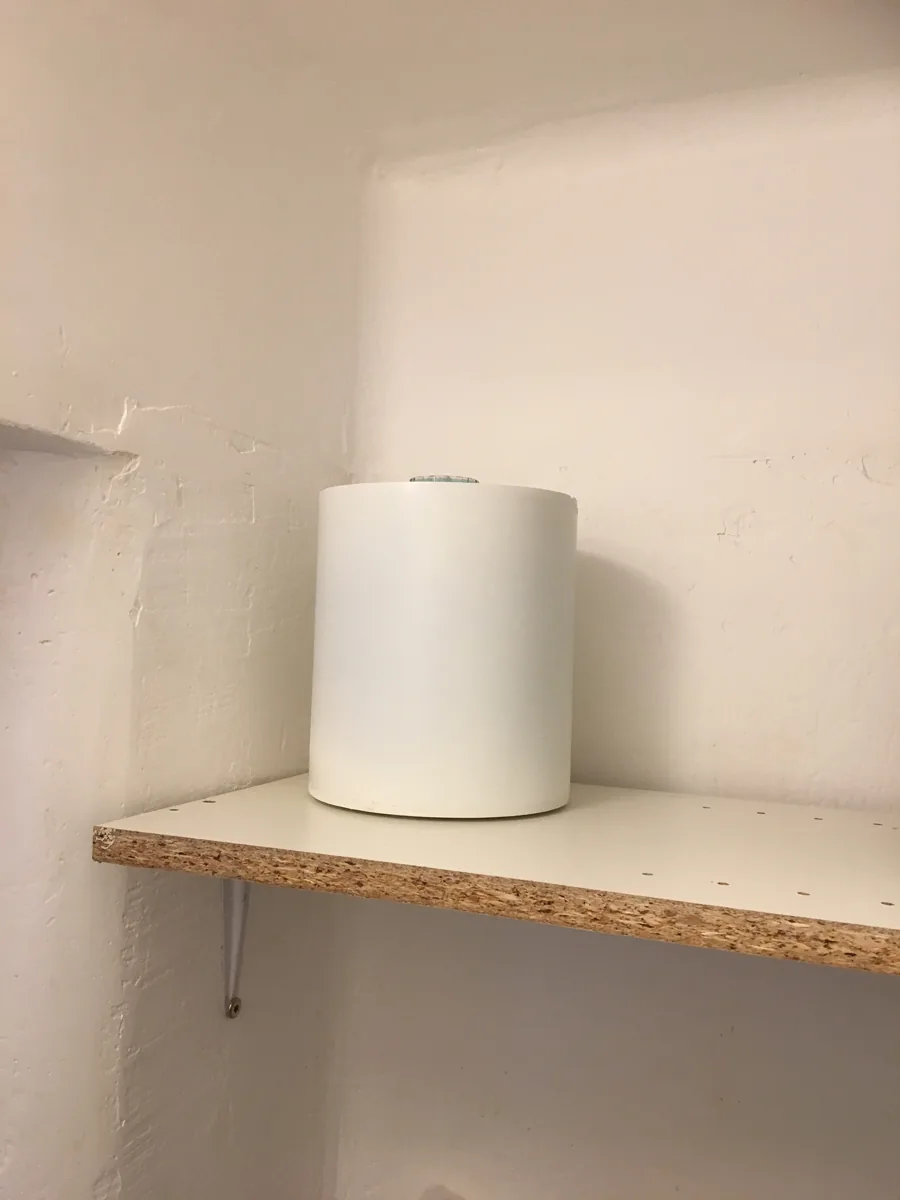
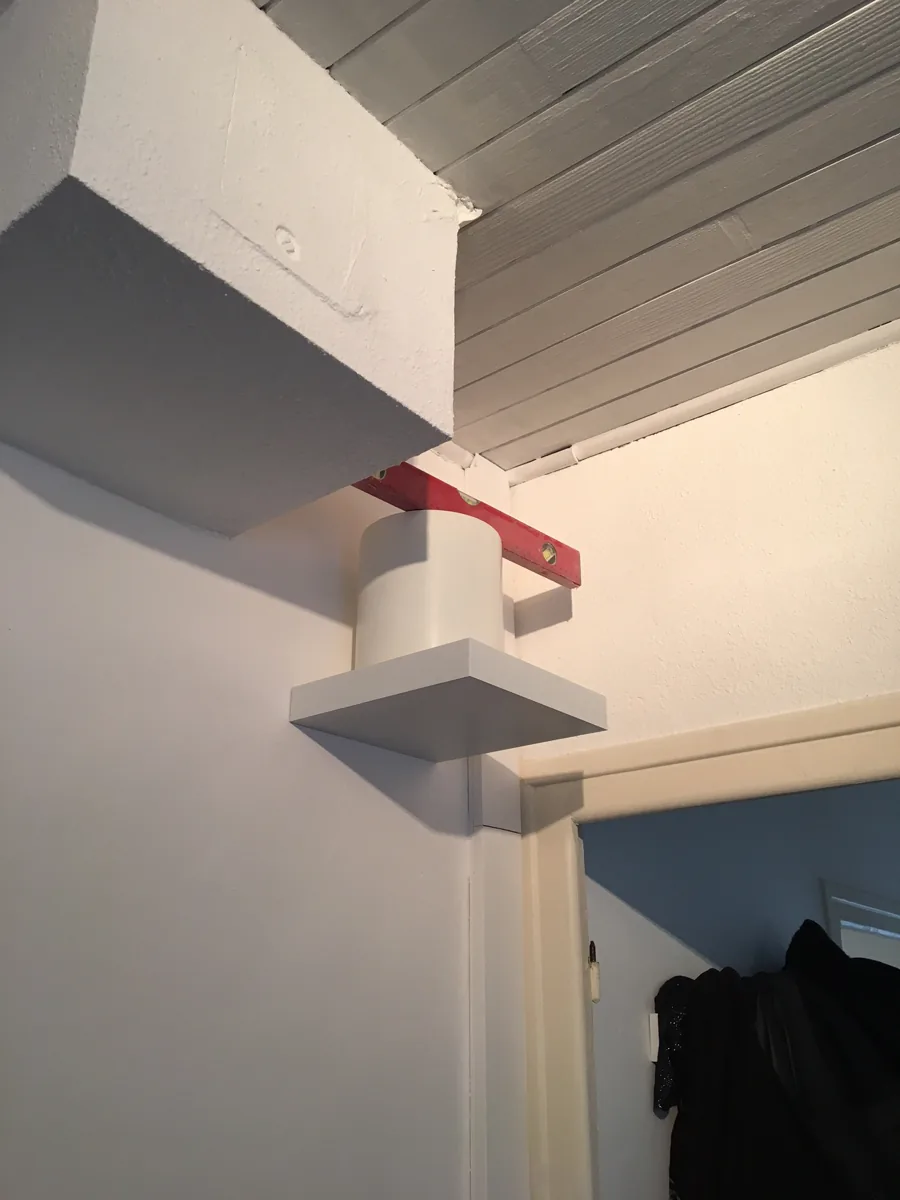
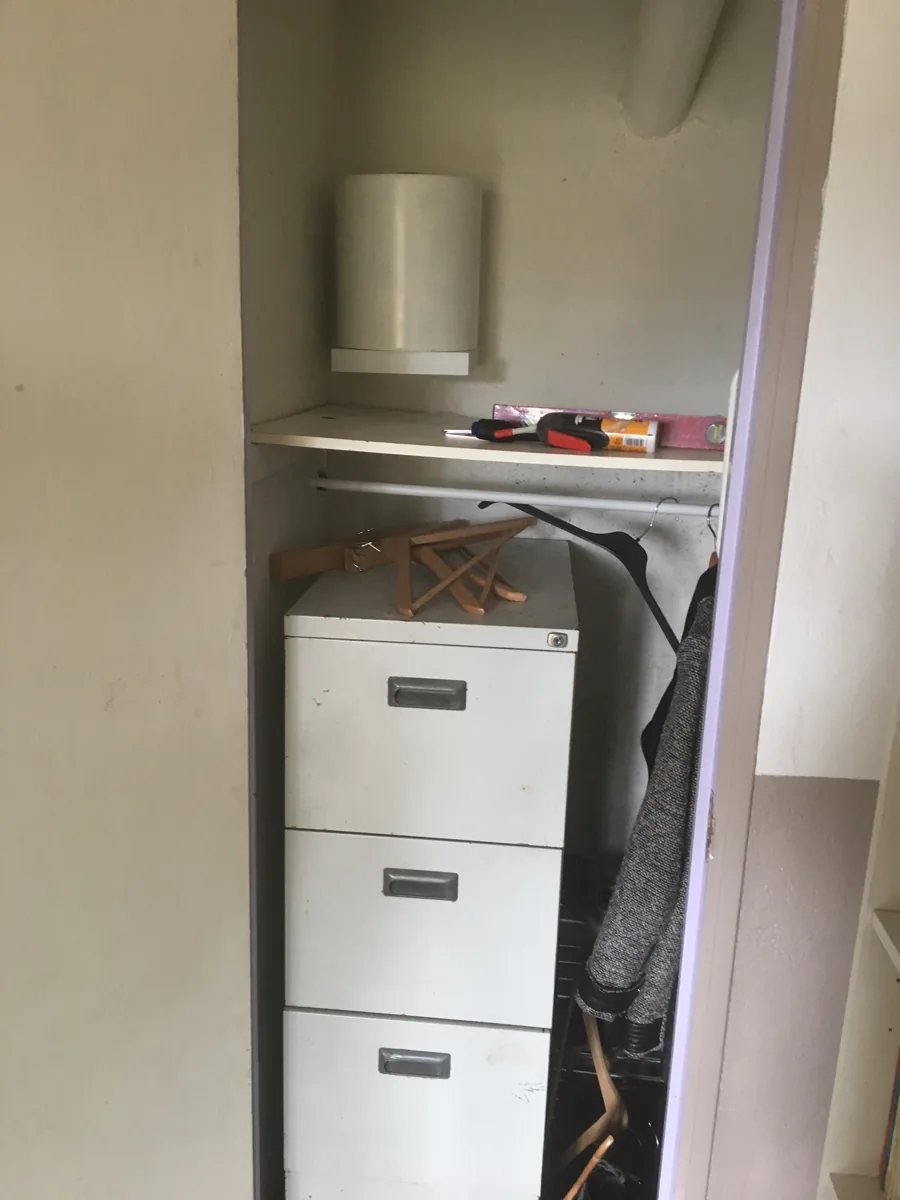
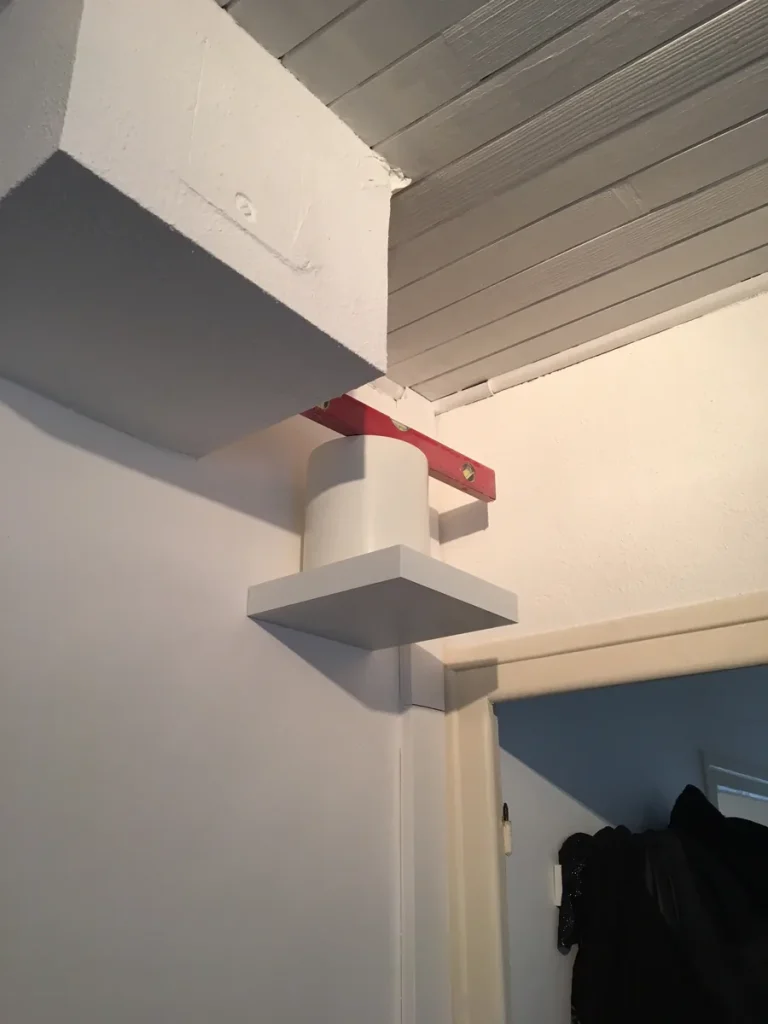
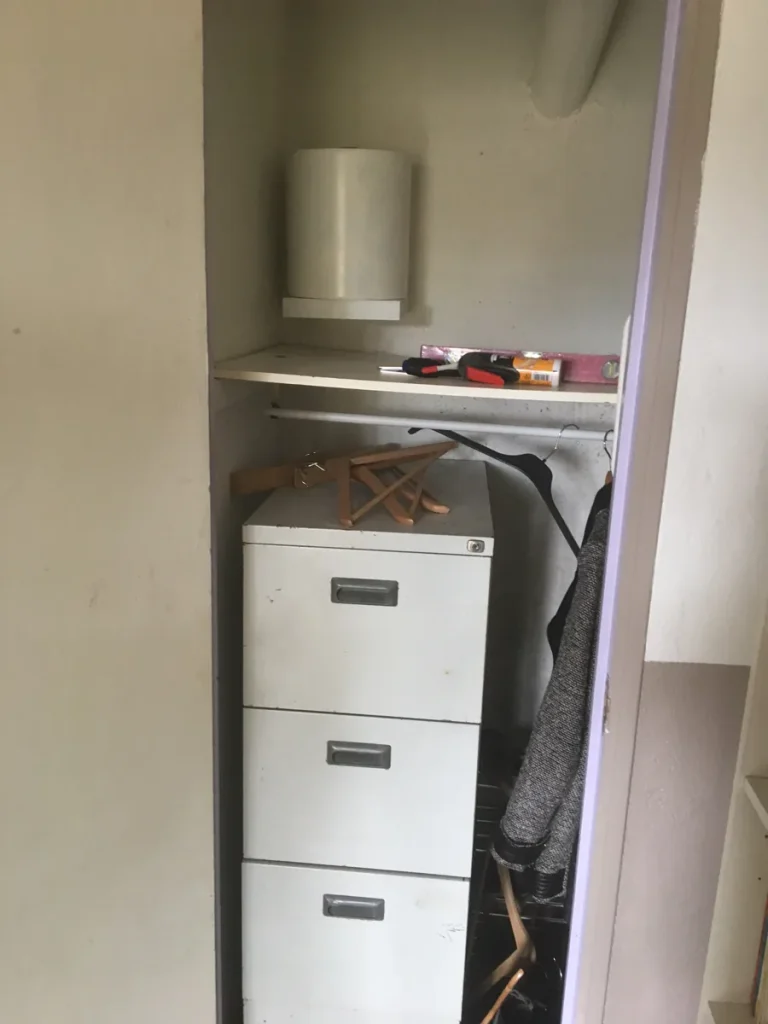
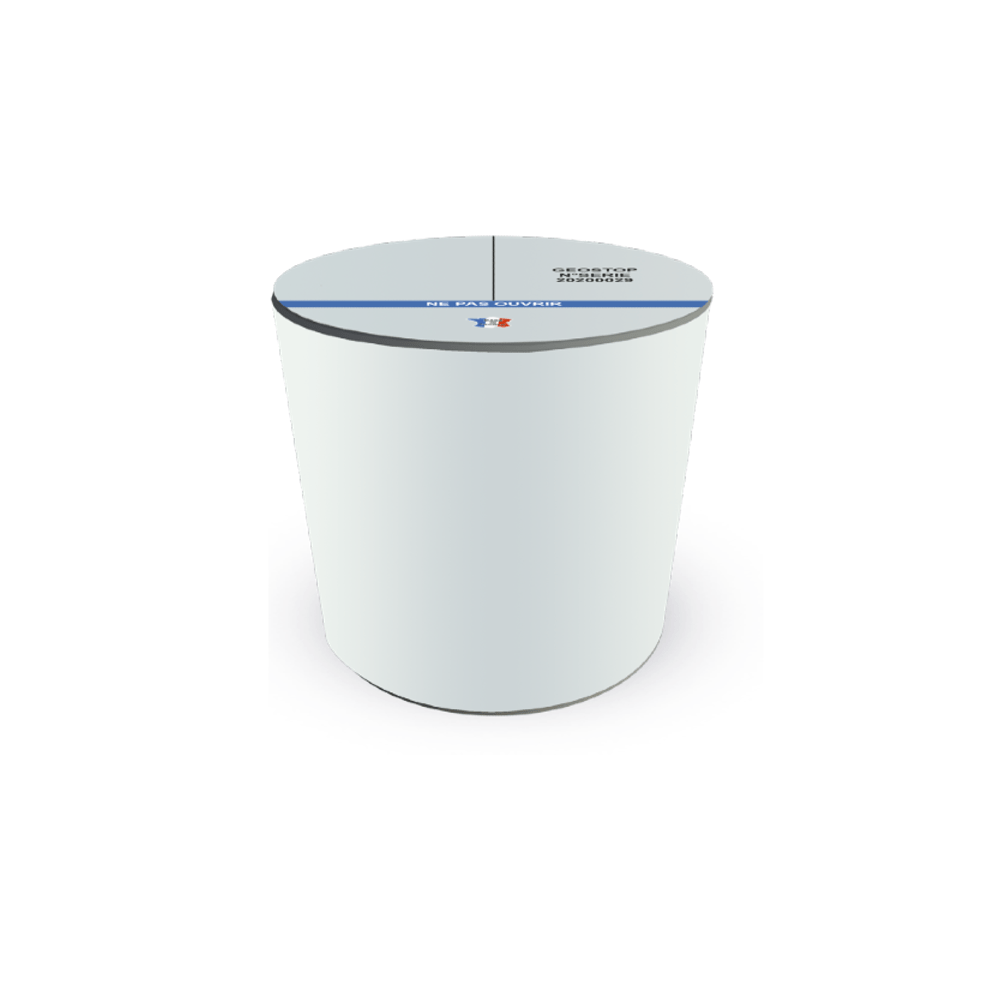
Once rising damp has been identified, prepare a floor plan showing the affected masonry and possible installation positions. Compare the stated coverage diameter against the plan, rather than simply the kitchen floor area. ATE devices use mains power; ATG devices are offered without an electrical supply. Read the instructions for the exact model before deciding where it can go.
Kitchen walls may conceal water pipes and cables, so check before drilling. Keep the device accessible as required by its instructions. The best location is not necessarily the one that a cabinet can conceal: the layout, installation conditions and intended coverage should guide the decision together.
Choose the device and document the wall
Explore the Help Humidité ATE and ATG shop. You can send a plan, photographs and details of checks already completed through the contact form. After installation, retain comparable observations before replacing finishes. Drying and redecoration should be assessed against the actual condition of the substrate rather than a date assumed from the purchase alone.