

ATE LC15 – Electromagnetic device for drying damp walls
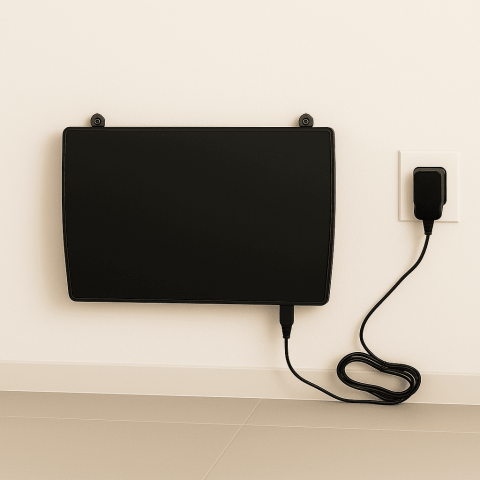
ATE LC15 Wall Drying Device – The Compact Electromagnetic Solution Against Damp
Designed specifically to combat rising damp in buildings. Compact, discreet, and easy to install, it is an innovative solution to improve indoor air quality and preserve the integrity of building materials.
Thanks to its low-frequency electromagnetic technology, this device reverses the natural polarity of water molecules in porous materials, which helps push the moisture present in walls back down into the ground. It provides an effective coverage area of a 7.5 m radius (15 m diameter), ideal for medium-sized rooms.
Key features:
Electromagnetic polarity reverser
Targeted treatment of wall dampness
Anti-damp wall device with no chemicals
Autonomous, silent, continuous operation
Simple installation into an earthed electrical socket, with no drilling
No maintenance required
Manufacturing & performance:
Made in France
Suitable for houses, cellars, garages, older buildings
Results can be observed within 18 to 24 months depending on conditions
A durable solution that respects the building
This system is particularly suitable for intermediate spaces facing wall dampness issues. It is an effective alternative to traditional methods, without the need for invasive work.
Simple, effective performance
- No damage to the building structure
- Easy to install
- Fast wall drying thanks to continuous emission
- Treats the entire building: walls, pillars, floors
A reliability guarantee
- 10-year manufacturer warranty
- French manufacturing
- Designers of our wall-drying devices
- Products sold at the best prices
- Experts ready to help via the contact page
How the ATE LC15 polarity reverser combats wall dampness
- Polarity reversal technology
- Works on water molecules
- Effective solution against wall dampness
- Low energy consumption


How the ATE LC15 polarity reverser works: an effective solution against wall dampness
Water molecules are polarised, with a positive pole and a negative pole, which naturally drives them to orient upward and penetrate walls by capillary action. The electromagnetic polarity reverser acts by emitting very low-frequency waves, reversing this polarity to push water molecules back down into the ground, particularly moisture caused by rising damp.
This solution is particularly effective for combating wall dampness. However, it is essential to note that it does not solve issues related to water ingress, flooding, or mould, which require specific solutions.
It operates continuously with very low energy consumption (around 0.75 W), representing an annual cost of about €15.


