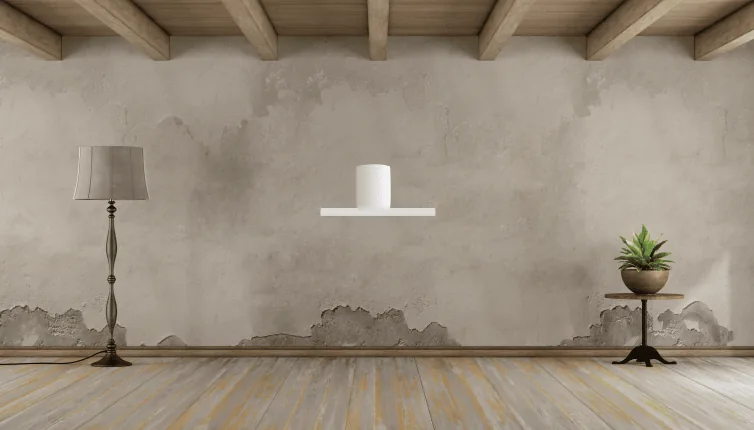
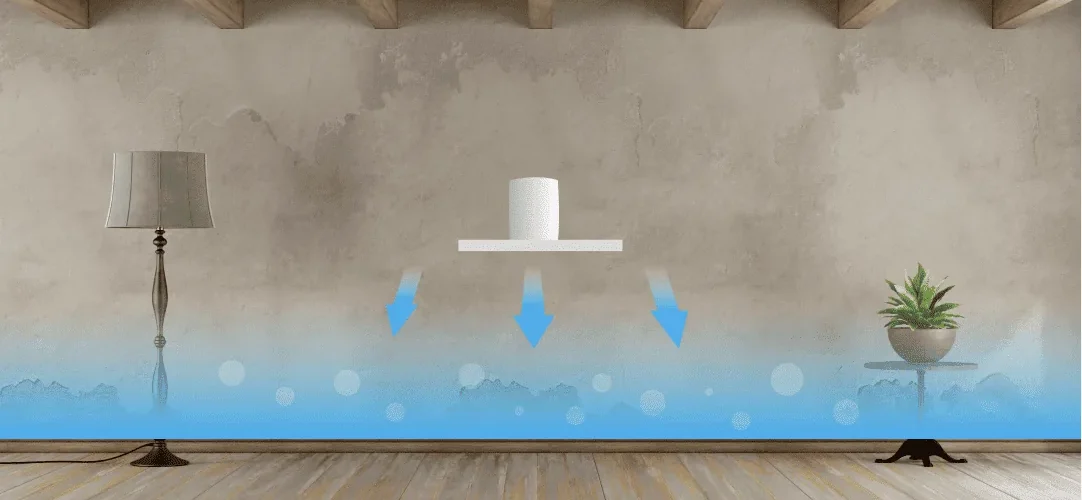
Wall drying device ATG LC15

Geomagnetic device for rising damp

Diameter : 15 m · No electricity required

CHOOSING YOUR WALL DRYING DEVICE

ATG LC15 : a solution for your damp walls

The ATG LC15 operates without electricity and has a stated coverage diameter of 15 metres. This geomagnetic model is an option to assess where a permanent mains connection is unsuitable.

Help Humidité helps you compare wall drying devices and prepare your project. Start with the source of the moisture, the layout of the masonry and the installation requirements. The information below explains how this model fits into a wider approach to rising damp, from choosing a position to planning suitable finishes.

01

Understanding rising damp

Rising damp occurs when ground moisture moves through porous masonry materials. Marks near the base of a wall, salt deposits and damaged plaster can accompany this process. These signs need to be considered in context: leaks, water penetration and condensation can cause similar damage and call for different repairs.

Before choosing a device, identify the affected walls and consider their materials and surroundings. Photographs and a description of the building can help our team discuss the available models. A professional assessment on site may be needed to establish the cause of the damp.

02

A device designed for damp masonry

ATG LC15 belongs to the Help Humidité range intended for masonry affected by rising damp. This geomagnetic model operates without electricity. Installation does not require chemical injections or cutting a channel through the masonry. Its position and the instructions supplied with the device remain central to setting it up correctly.

Wall drying is gradual. Materials, wall thickness, initial moisture levels and surface coatings all influence progress. Suitable ventilation and repairs to independent sources of water help create conditions in which moisture can leave the wall. A device should therefore be considered alongside the condition of the building as a whole.

Understanding the stated coverage

The stated diameter of 15 metres corresponds to a radius of 7.5 metres around the device. It is a distance, not a floor area in square metres. Compare the proposed position with the affected walls, the furthest areas and the different levels of the building. The layout and the model’s installation requirements remain part of the choice.

Ø 15 m7.5 m
03

Preparing the installation

Read the ATG LC15 PDF manual before starting. It explains the intended support, positioning and clearances. Choose fixings suited to the masonry. Follow the positioning and fixing instructions for your ATG model. The installation video complements the model-specific instructions and helps you visualise the steps before fitting the device.

Locate the affected areas and the suitable structural walls, and consider access around the proposed position. Keep the documentation available for future changes to the room. Our team can help you compare the range and understand the information required before placing an order.

04

Following drying and planning finishes

Monitor the same areas over time with photographs and measurements taken using a comparable method. A change in the appearance of paint alone does not establish how much water remains inside a wall. Drying time varies with the building, so the date for applying new finishes must be assessed against the actual condition of the support.

Before replastering or repainting, consider salt deposits, damaged coatings and existing mould. These require suitable remedial work. Select finishes compatible with the masonry and its moisture condition, and maintain adequate ventilation throughout the drying and renovation process.

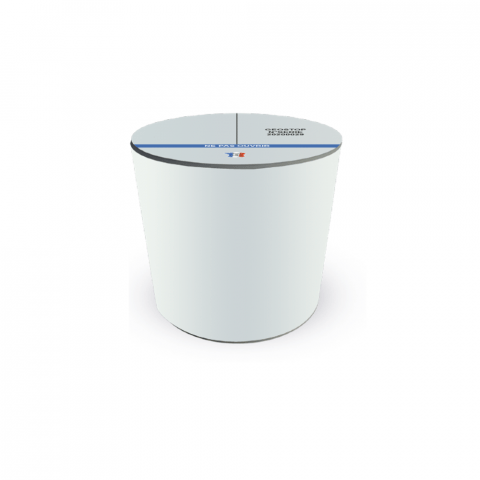
French manufacturing and Help Humidité support

Manufactured in France, ATG LC15 comes with a 10-year manufacturer’s warranty under the applicable terms. The blocks below cover manufacturing, installation and technology. For the price and availability, visit the product listing in our shop. You can also compare the coverage and power requirements of the other ATE and ATG models.

Frequently asked questions : ATG LC15

What coverage does this model offer?

ATG LC15 has a stated coverage diameter of 15 metres, or a radius of 7.5 metres. Check the position of the walls relative to the device and follow its manual.

How is this model powered?

This geomagnetic model operates without electricity. Read the model-specific instructions before installation.

Does it address every source of damp?

Leaks, water penetration and condensation require work suited to their cause. Establishing the source of moisture helps you choose the appropriate approach.

When can walls be redecorated?

The wall must be in a condition suitable for the chosen finish. Materials, salts, coatings and ventilation all influence drying.

Where can I find the price and instructions?

The shop listing provides pricing and ordering information. The PDF manual and installation video on this page help you prepare for fitting the device.

Simple and Effective Performance

Appareil assèchement ATG géomagnétique

A Reliability Guarantee

How the ATG LC15 wall drying device combats wall dampness

Appareil assèchement mur ATGWall drying device ATG LC15

How the ATG LC15 wall drying device works: an effective solution against wall dampness

ATG LC15 belongs to the Help Humidité range intended for masonry affected by rising damp. This geomagnetic model operates without electricity. Installation does not require chemical injections or cutting a channel through the masonry. Its position and the instructions supplied with the device remain central to setting it up correctly.

The stated diameter of 15 metres corresponds to a radius of 7.5 metres around the device. It is a distance, not a floor area in square metres. Compare the proposed position with the affected walls, the furthest areas and the different levels of the building. The layout and the model’s installation requirements remain part of the choice.