

Rising damp: recognizing capillary rise and the signs of moisture rising from the ground
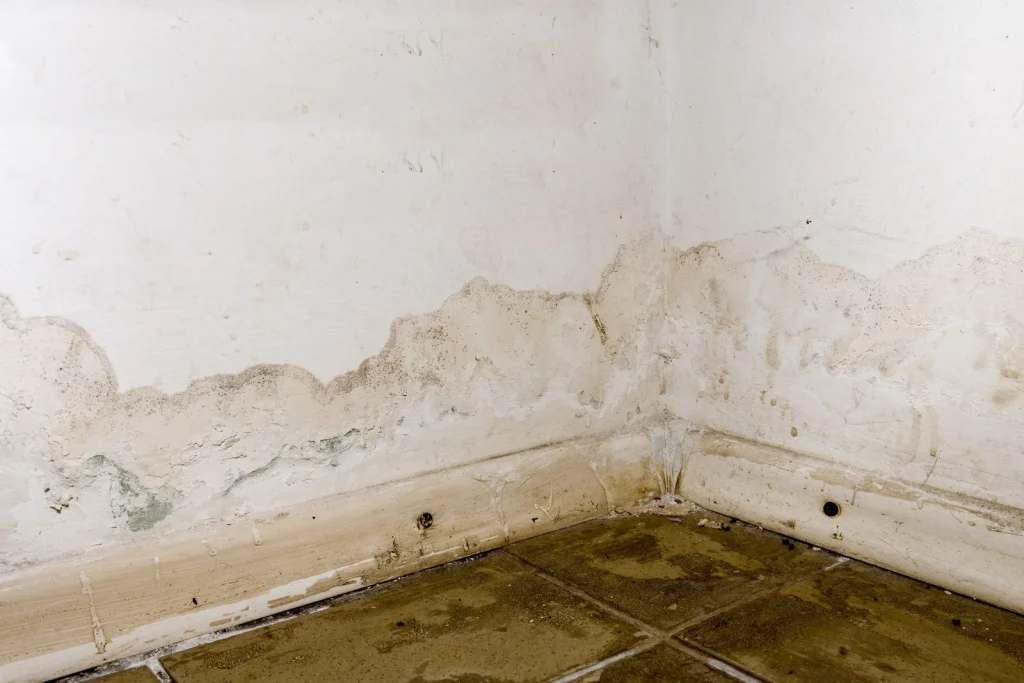
Rising damp refers to water present in the ground that gradually rises into walls through porous materials (stone, brick, concrete block). It generally appears at the base of walls, both indoors and outdoors, and follows a “bottom-to-top” pattern.
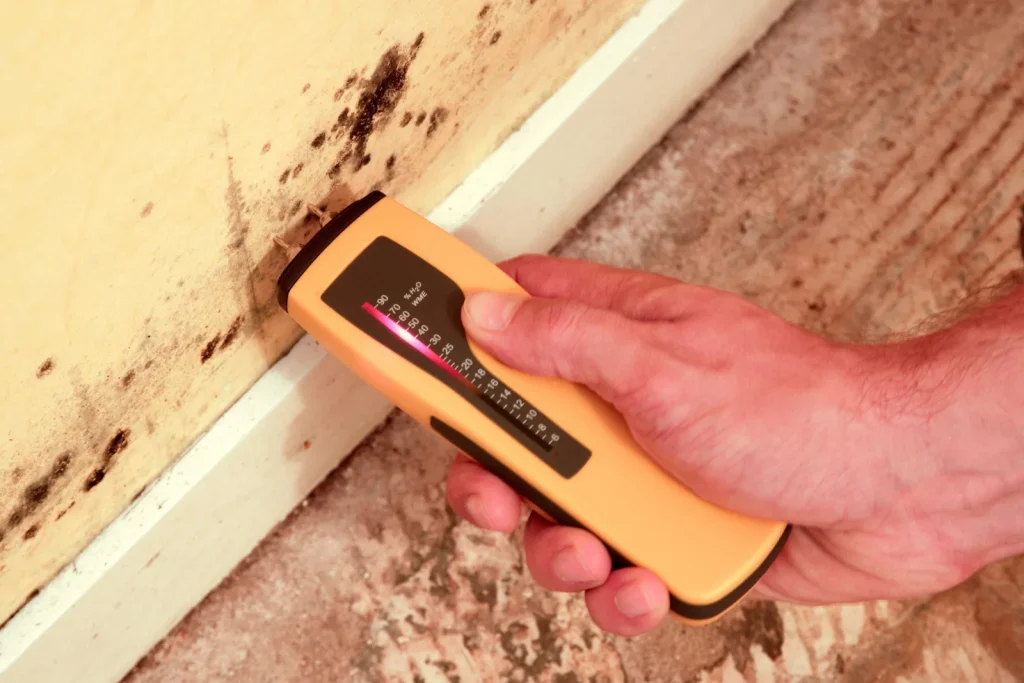
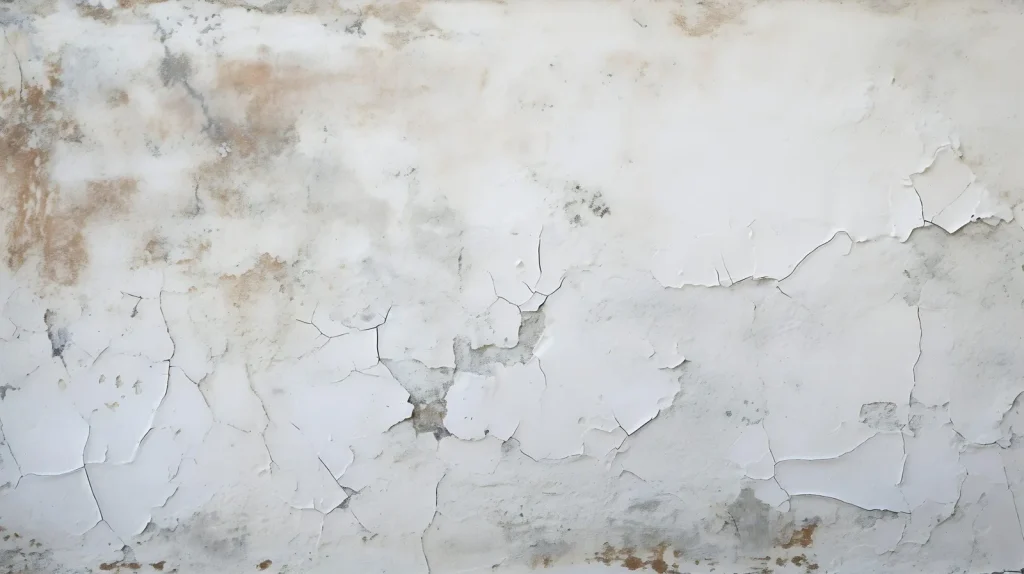
The most common signs are continuous tide marks near skirting boards, crumbling plaster, blistering paint, peeling wall coverings, and whitish deposits (salts/minerals) visible on the surface. Damp is often more pronounced on the ground floor and can make the wall feel cold, look uneven, or appear “water-laden.” The marks are often fairly regular and spread to a limited height, with a gradual progression.
This page helps you identify the typical indicators of rising damp and avoid confusion: a water ingress more often creates a localized stain or streaking, while condensation tends to form on the surface in cold areas (corners, windows, behind furniture). The goal is to understand what this type of damp looks like and why it occurs, so you can classify the situation correctly.
Rising damp
Discover how dampness can seriously impact your home. By causing moisture issues, mould, and structural damage, this phenomenon requires swift action. This comprehensive guide helps you identify early warning signs, understand the root causes, and adopt effective solutions to tackle rising damp. Protect the value of your property by taking preventive action now. With our expert advice, you can restore your home’s health and ensure a safe, dry environment for your family.
Understanding moisture
To deepen our understanding of rising damp, it is crucial to grasp its mechanism and the consequences it can have on the very structure of your home. This phenomenon results from water rising through porous materials, such as concrete and plaster, due to hydrostatic pressure. This rising moisture can weaken foundations and lead to irreversible long-term damage. Beyond visible issues such as staining and wall discolouration, rising damp can compromise the strength of your property. To avoid costly repairs and preserve the value of your home, prompt action is essential. Solutions for addressing rising damp vary depending on the severity of the situation.
Protect your home from moisture
By reacting without delay and taking appropriate preventive measures, you can protect your home from the devastating effects of rising damp. Don’t wait for signs of moisture to set in before acting: regularly check walls and floors to spot any suspicious changes. If you have even the slightest doubt, call in an expert to carry out a full assessment and put the right solutions in place. With a proactive approach, you will safeguard your home’s structural integrity while providing your family with a healthy, dry environment.
In conclusion, rising damp represents a serious risk to your home’s structural integrity and the comfort of its occupants. By identifying early warning signs and reacting quickly with appropriate preventive and corrective measures, you can effectively protect your property from the harmful effects of rising moisture. By trusting our team of experts and adopting a proactive approach, you will extend the life of your home while ensuring a healthy, dry environment for you and your family. Don’t let rising damp undermine the value and integrity of your property investment: act now to protect your home.


