Insulating a damp wall from inside: treat the masonry before you line it
September 28, 2026How to install an ATE: an installation guide for damp walls
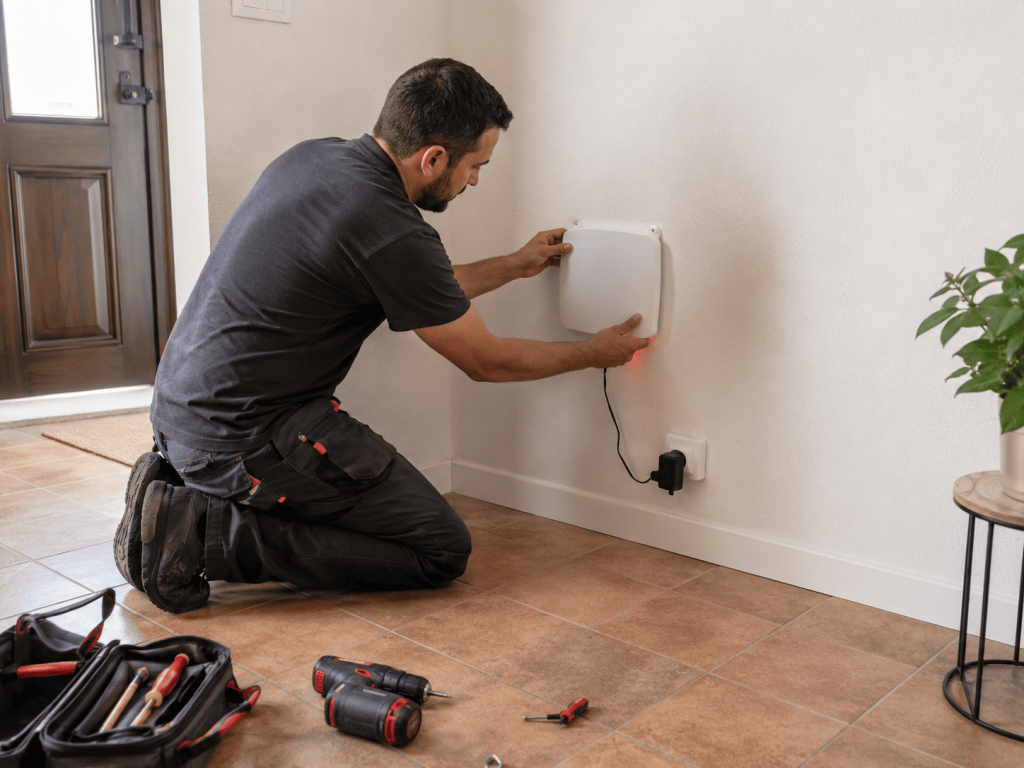
Has your ATE arrived? Discover the essential steps to prepare for installation and support the drying of your walls. The video featured in this article will help you follow the installation guidance.
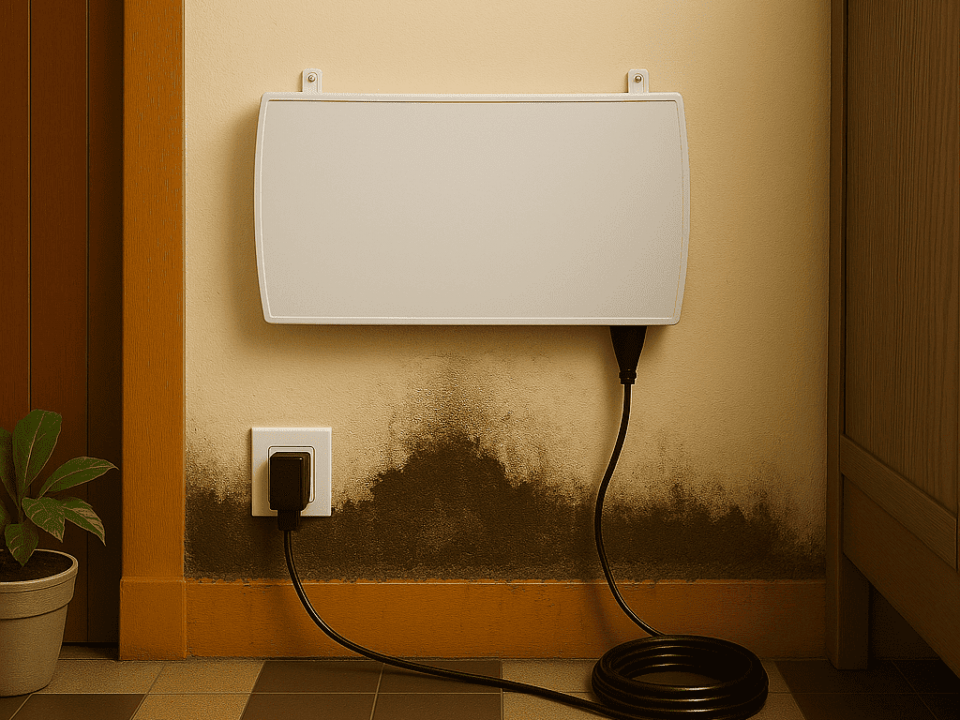
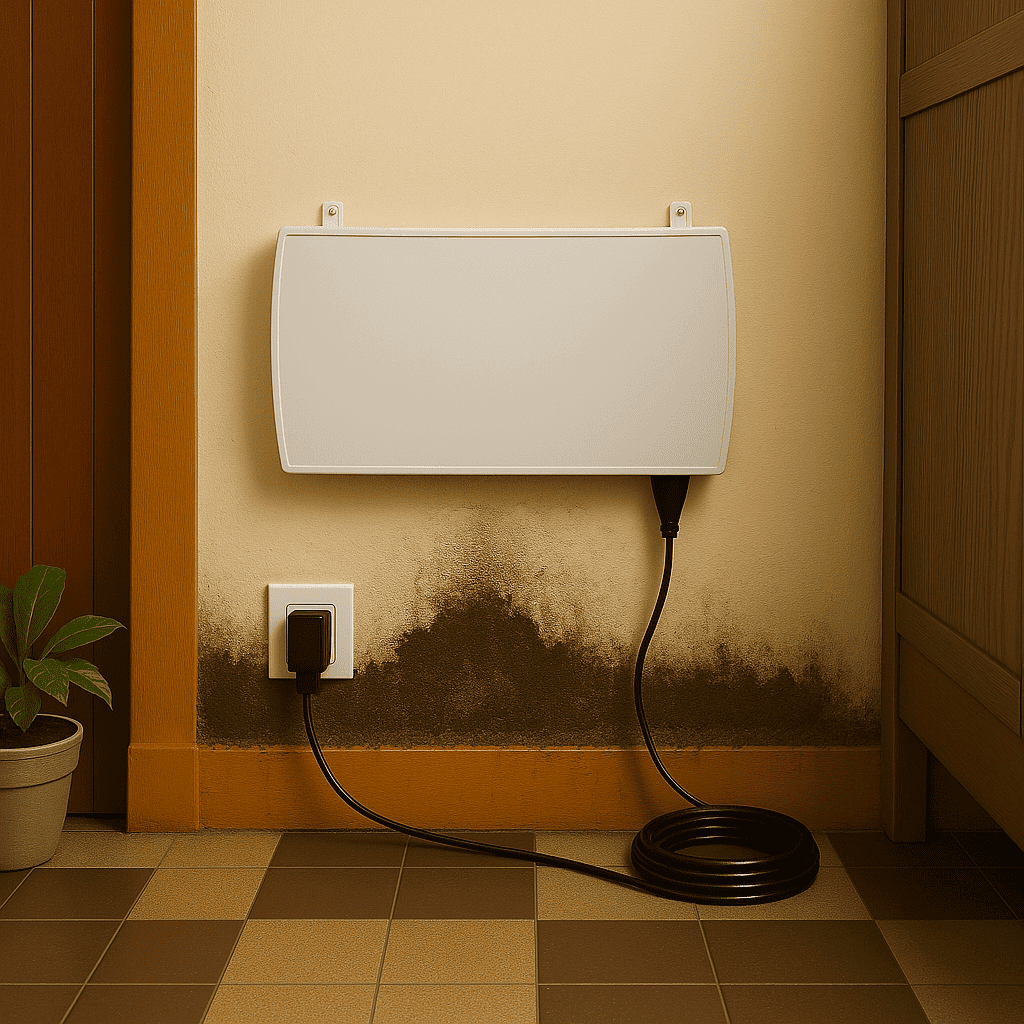
The ATE is a wall drying device, also described as an electromagnetic polarity inverter. It is intended for the treatment of rising damp and requires a continuous mains electricity supply. Installation must follow the technical manual for your chosen model.
Identify the source of the damp
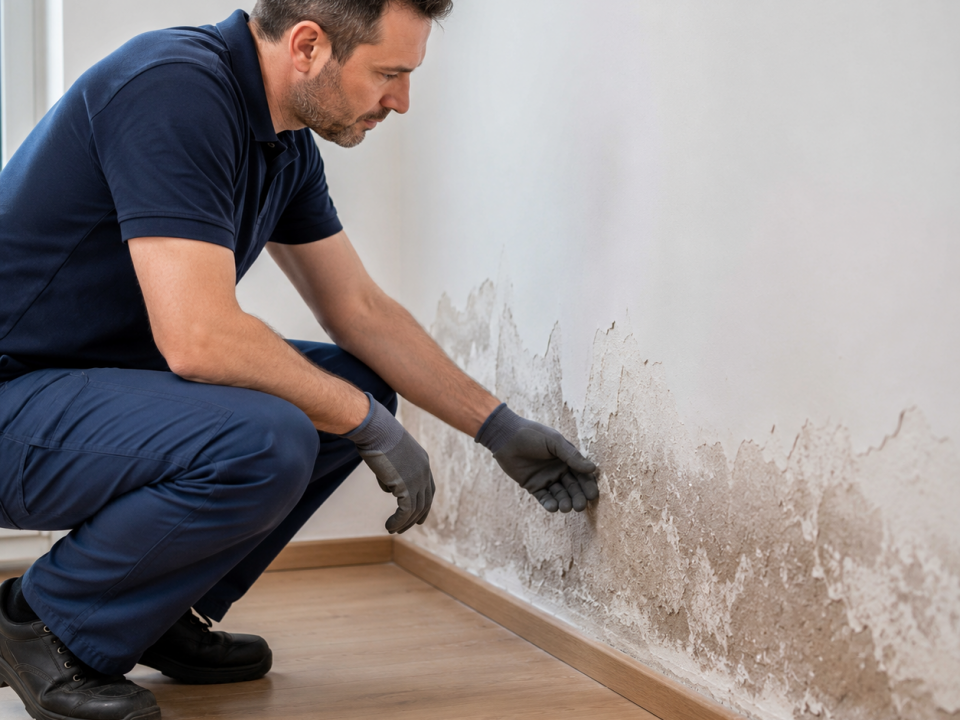
Before installing the device, establish why your walls are damp. Stains, salt deposits and damaged plaster can have several causes.
Leaks, water ingress and condensation require appropriate interventions. The ATE is intended for rising damp. If you are unsure about the cause, seek advice before choosing a device.
Choose the model and its position
The choice depends on the device’s coverage diameter and the building’s layout. Total floor area alone is not enough to select a model, particularly in a home with several storeys. The building’s footprint, wall layout and affected area also need to be considered.
Choose a position that covers the treatment area and complies with the manufacturer’s instructions.
Mount and connect the ATE
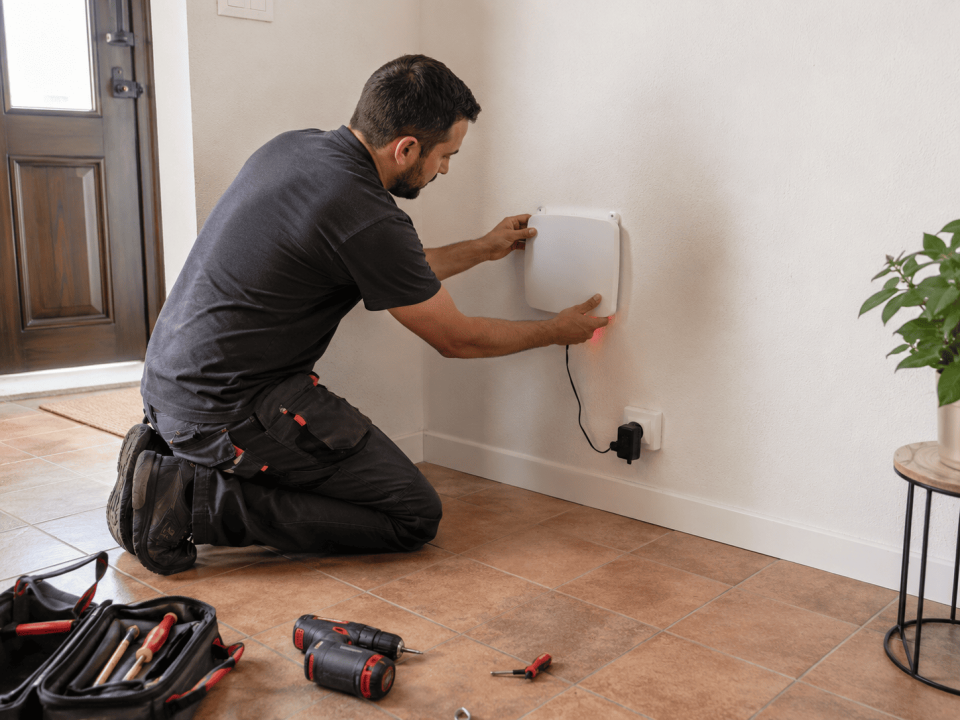
Follow the manual’s requirements for the mounting surface, installation height and clearance from other equipment. Check the electrical instructions before connecting the device.
Once installed, keep it continuously connected to the mains and leave it in its position. The video guides you through the installation; your model’s manual remains the reference.
Support the drying process
Walls dry gradually. The time required varies with the materials, wall thickness, initial moisture levels and ventilation.
Ventilate the property regularly and follow the recommendations for plaster, render and wall coverings. Before redecorating, check that the walls are suitable for the planned work. Photographs and measurements appropriate to the materials can help you monitor changes.
Explore ATE devices and installation advice from Help Humidité at help-humidite.com. Need help choosing a model? Contact us for free advice.