Ventilating a damp house: useful, but not always enough
May 13, 2026
Damp-proofing works: mistakes that can make walls worse
May 13, 2026
When damp appears, the first mistake is often to act too quickly. However, a damp wall gives many clues when you observe the marks, their position and how they change over time. Therefore, a simple method helps you understand the situation better and avoid an unsuitable solution.
With musty smell in house, the aim is not to hide marks, but to understand the signs before taking action.
Do not just mask the smell
Air fresheners and absorbers may temporarily improve the feeling, but they do not solve the origin. A persistent smell therefore deserves closer observation.
Look for cold and closed areas
Cupboards against a cold wall, furniture stuck to the wall and poorly aired rooms encourage smells. Moving furniture slightly away and allowing air circulation often helps clarify the situation.
Check water points
Inspect seals, water inlets, drains and areas near sanitary equipment. A small leak can create a strong smell when it remains hidden.
Connect smell with visible marks
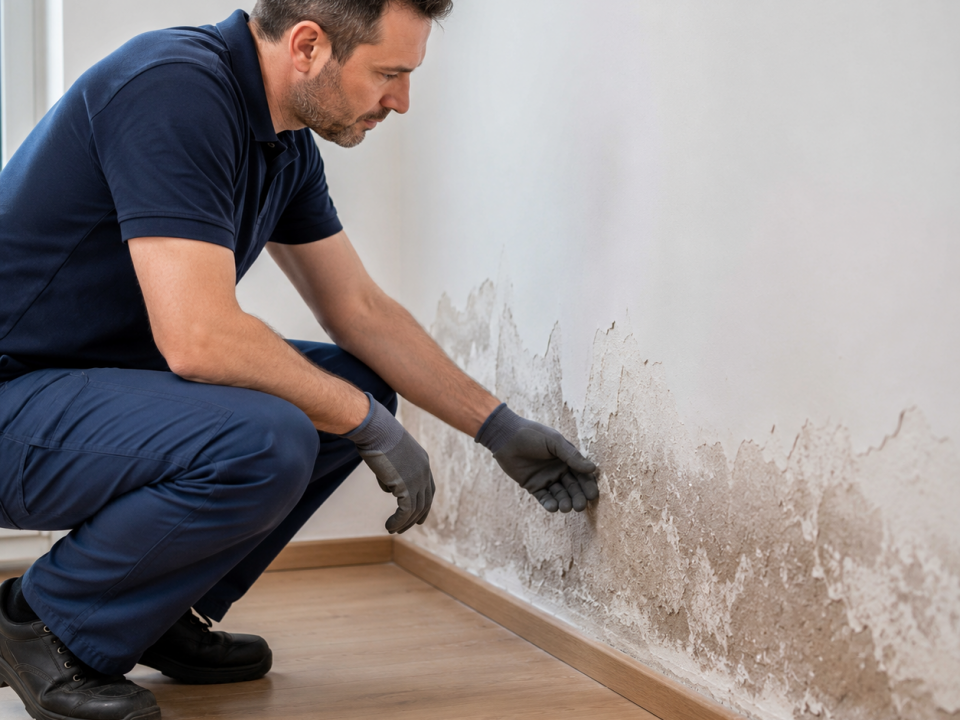
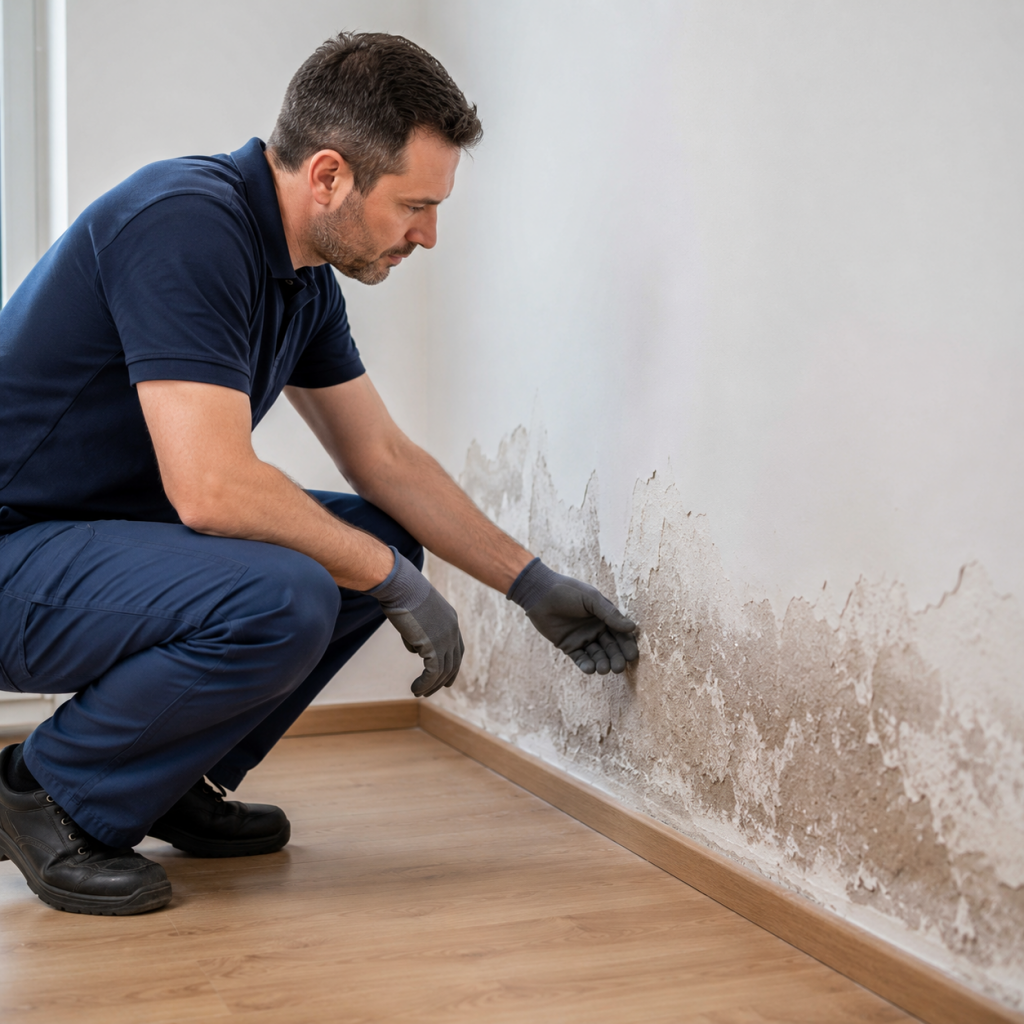
If the smell comes with stains at the bottom of the wall, saltpetre or damaged plaster, the wall itself must be considered. Clues should always be read together.
Key takeaway
However, caution remains essential: solutions related to rising damp do not treat leaks, water infiltration, flooding or condensation alone.
Unsure between several solutions? The Help Humidité website offers an online choice guide to help orient your search according to visible symptoms, the home layout and installation constraints.