Saltpetre on walls: why it returns and how to act in the right order
May 13, 2026
Musty smell in a house: possible causes and good reflexes
May 13, 2026
Ventilation helps remove moisture from indoor air, but does not repair a leak or stop water entering the masonry.
With ventilating damp house, the aim is not to hide marks, but to understand the signs before taking action.
What ventilation improves
Ventilation removes humid air produced by cooking, showers, laundry and breathing. It therefore limits condensation on cold surfaces and improves indoor comfort.
What it does not always solve
However, if damp comes from the ground, a buried wall, a leak or water infiltration, airing is not enough. Ventilation supports the process, but it does not remove the source.
Create coherent airflow
Air must enter, circulate and leave. Blocked air inlets, overly airtight doors or weak extraction strongly reduce the efficiency of the system.
Combine observation and maintenance
Clean vents, check grilles and observe when marks appear. These clues help you distinguish condensation from wall damp.
Key takeaway
However, caution remains essential: solutions related to rising damp do not treat leaks, water infiltration, flooding or condensation alone.
Unsure between several solutions? The Help Humidité website offers an online choice guide to help orient your search according to visible symptoms, the home layout and installation constraints.
Continue with the right guide
Check the causes of damp at the bottom of a wall.
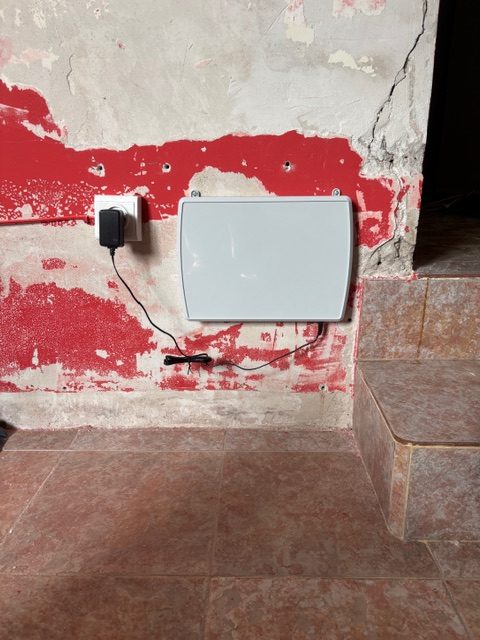
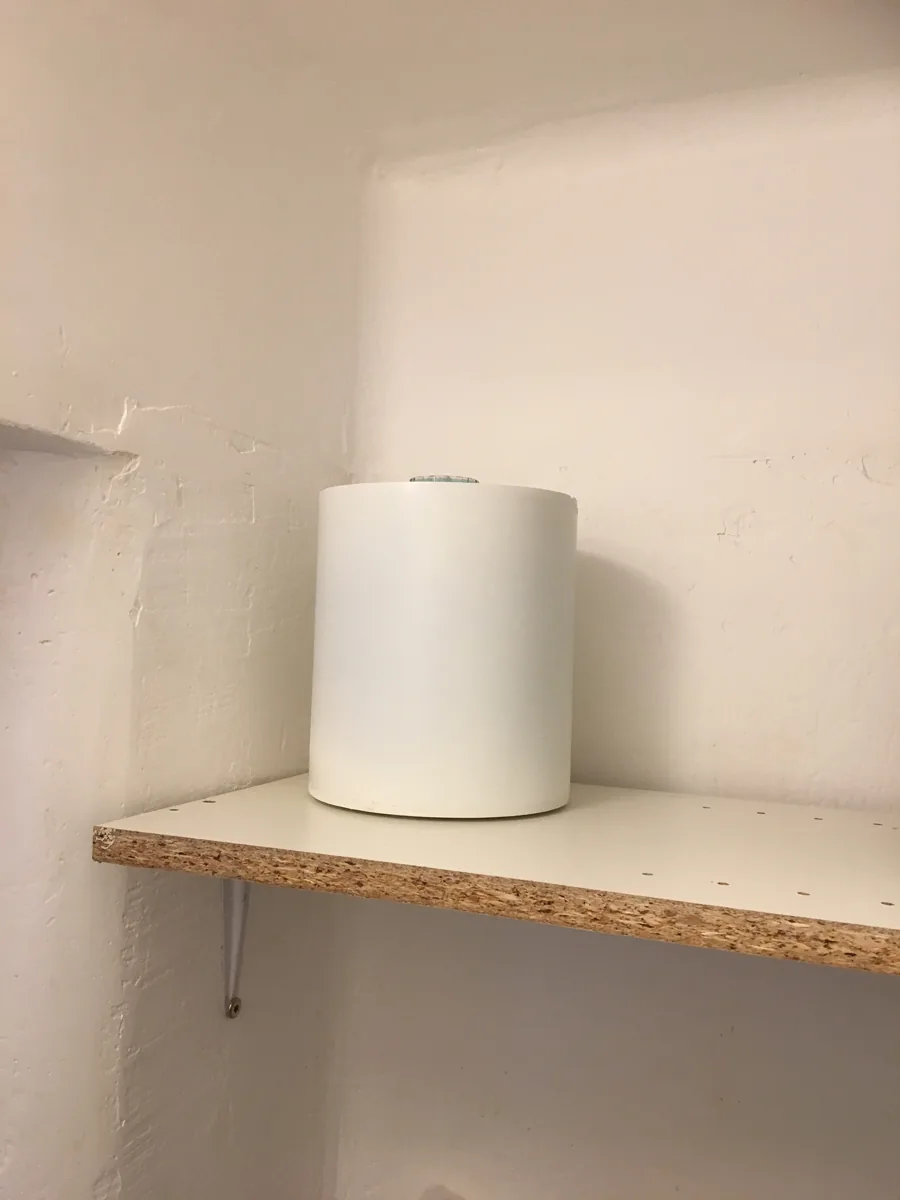
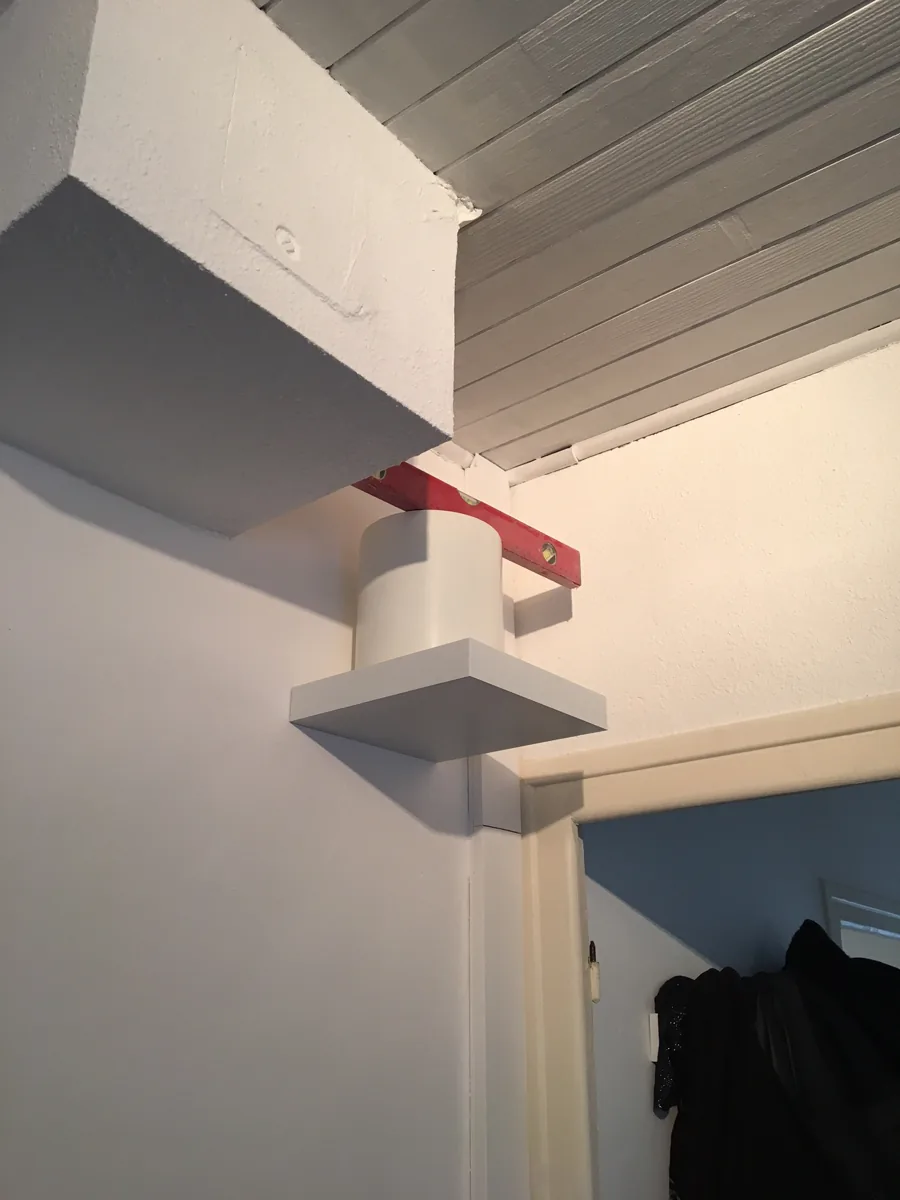
Rising damp has been confirmed and you want to choose a Humidistop device? Compare the models, coverage and installation requirements in the Help Humidité shop: ATE and ATG devices, specifications and prices.