Blistering paint on a wall: understand the issue before repainting
May 13, 2026
Ventilating a damp house: useful, but not always enough
May 13, 2026Saltpetre on walls: why it returns and how to act in the right order
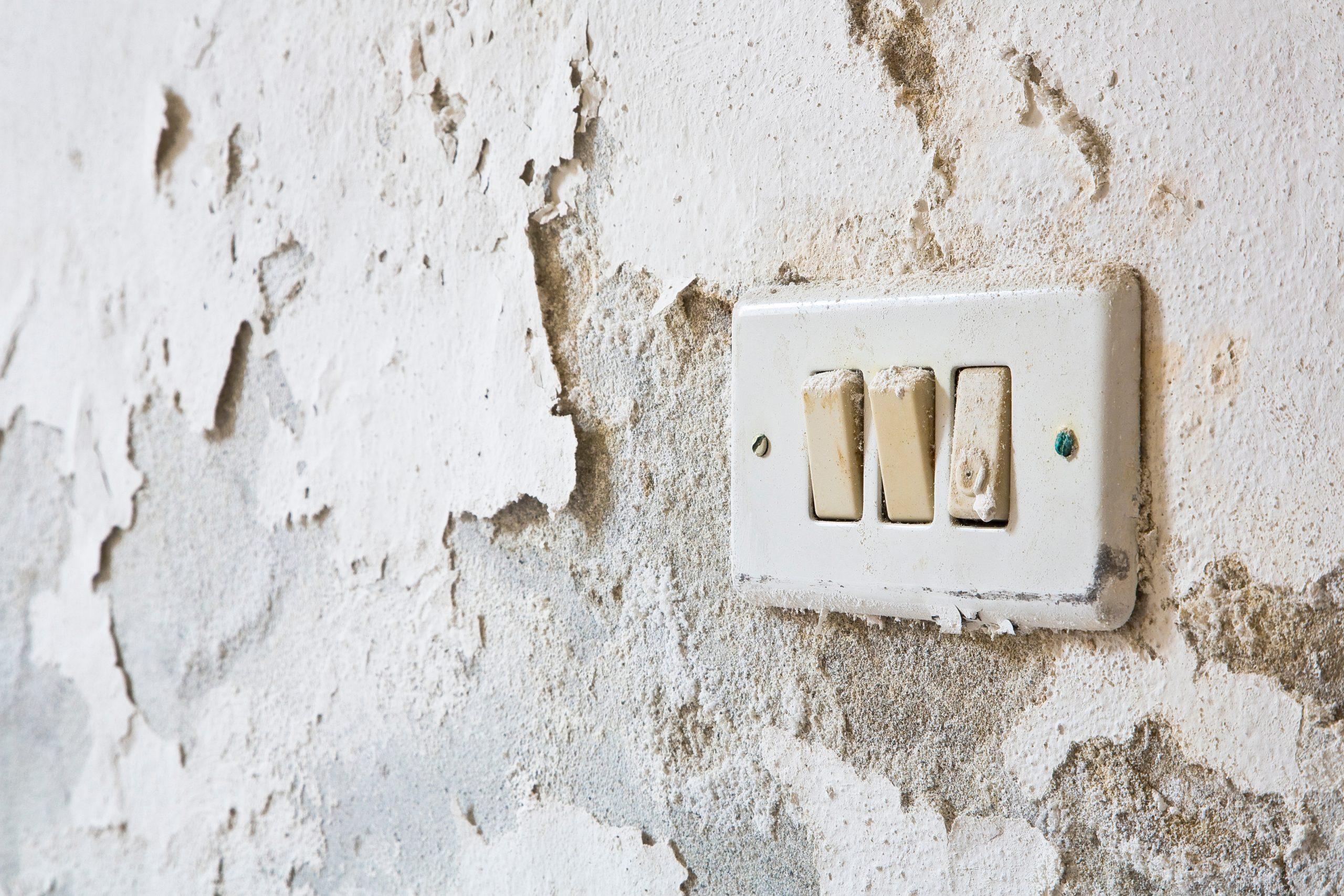
If white salt deposits return after painting, check the water source, salts in the wall and the coating separately. Repainting removes neither a water source nor accumulated salts. A wall that looks dry can still have a salt-related problem; a photograph cannot identify the salts present.
With saltpetre on walls, the aim is not to hide marks, but to understand the signs before taking action.
Understand the role of salts
Saltpetre appears when mineral salts move with moisture and settle on the surface. Cleaning removes the visible mark, but it does not remove the cause feeding it.
Clean without making it worse
Brush dry when the surface allows it, and avoid saturating the wall with water. Then, ventilate regularly to reduce indoor humidity and support evaporation.
Wait before finishing
A coating or paint applied too early may deteriorate. It is better to wait for a real improvement, because salts may keep appearing during the drying phase.
Distinguish saltpetre from mould
Saltpetre often looks like a whitish powdery deposit. Mould follows another logic and requires a different approach.
Three checks before repainting
Record the original moisture diagnosis, repairs or treatment, dates and coatings used. Ask whether moisture is still entering the wall and how this was checked. Then have the salts and proposed finish assessed. A high reading from an electronic wall meter does not alone prove an active water source because salts can affect the reading.
Choose the next step for the actual cause
White deposits returning after a pipe leak has been repaired do not automatically mean that the leak continues or that a rising-damp device is needed. Separate moisture control from preparation of the finish. Where rising damp is confirmed, ATE and ATG may be considered under their stated conditions of use. They do not remove salts already present or replace preparation of the wall surface.
Related guides
- Damp wall at the bottom: checks to make before choosing a solution
- Drying a damp wall: follow its condition before repainting
- Compare ATE and ATG ranges
View models and prices · Discuss my project
Buildwise · Technical reference (French)