Musty smell in a house: possible causes and good reflexes
May 13, 2026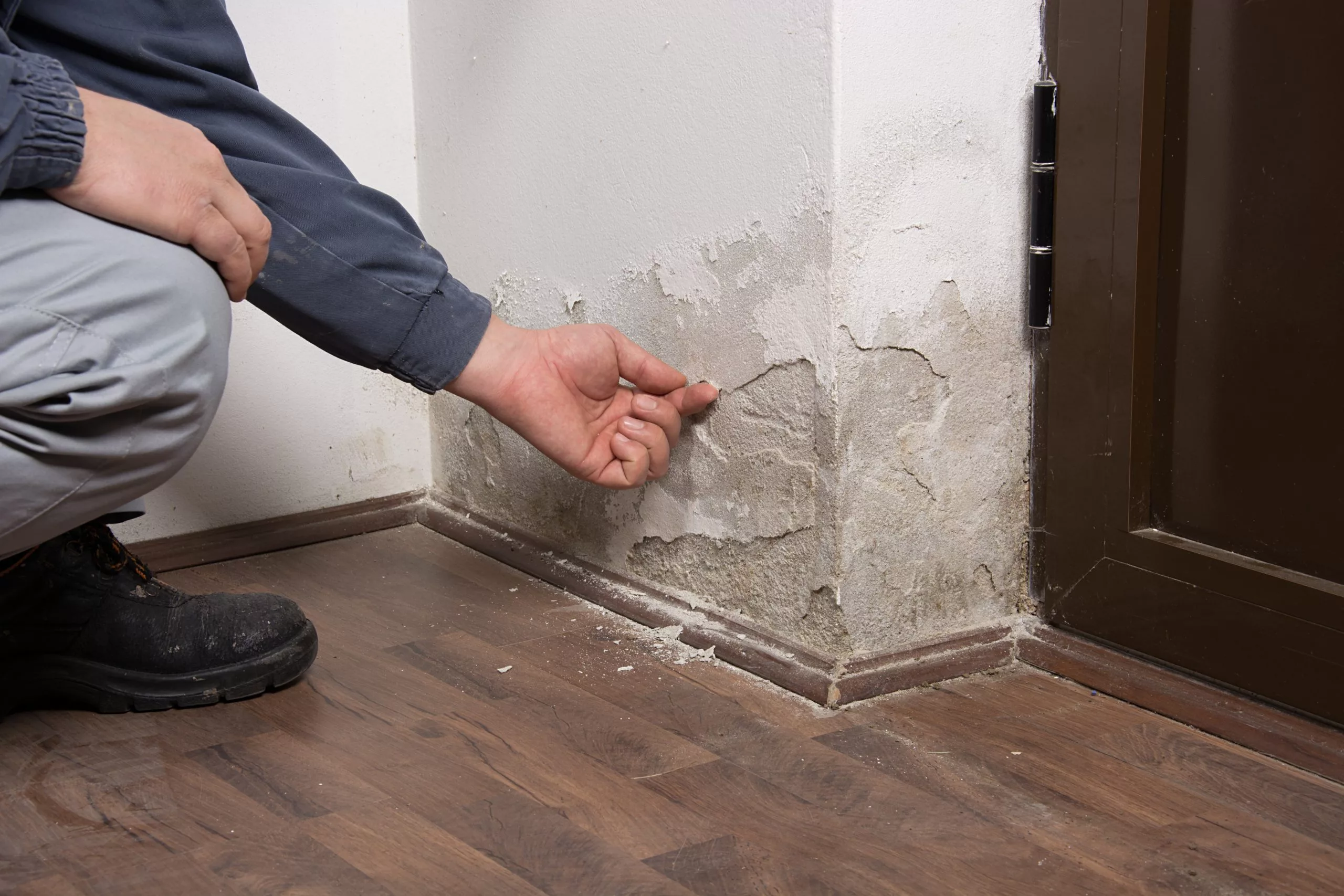
Old house and damp: understand before renovating
May 13, 2026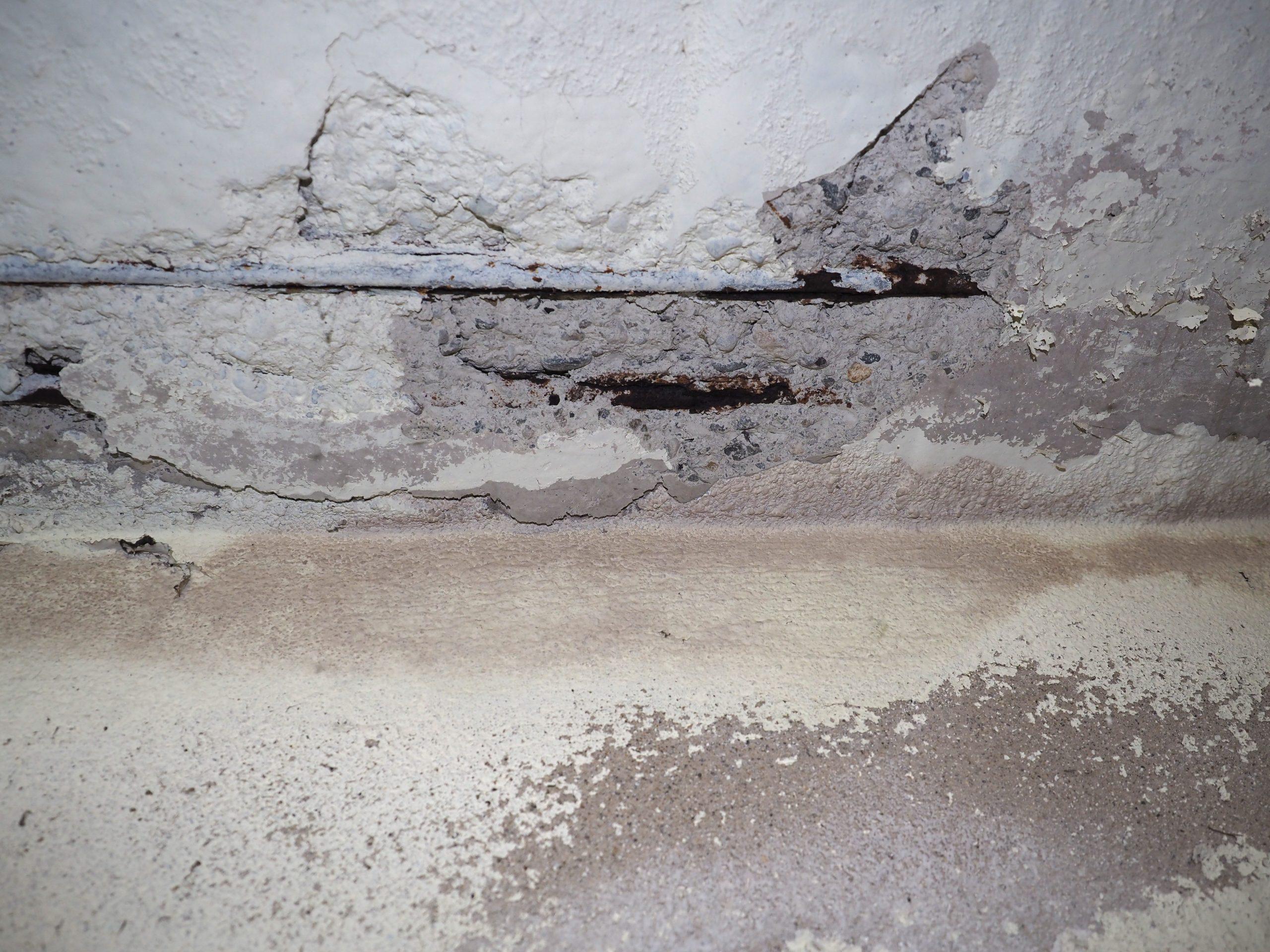
Before damp-proofing work, identify the source of moisture and check the substrate: paint or plaster applied too early can conceal the problem without resolving it.
With damp-proofing works mistakes, the aim is not to hide marks, but to understand the signs before taking action.
Avoid overly waterproof coatings
A damp wall needs to release the water it contains. An overly closed coating can block this evaporation and move the problem to another area.
Do not confuse appearance with treatment
A wall that looks clean on the surface does not necessarily mean the cause has gone. In addition, a finish applied too quickly may create a false sense of success.
Respect the building’s pace
Each material reacts at its own rhythm. Stone, brick, earth walls or old plasters do not behave like recent surfaces. Actions must therefore be adapted.
Plan a global approach
The right approach combines observation, ventilation, correction of visible defects and a response adapted to the cause. This logic reduces unpleasant surprises.
Key takeaway
However, caution remains essential: solutions related to rising damp do not treat leaks, water infiltration, flooding or condensation alone.
Unsure between several solutions? The Help Humidité website offers an online choice guide to help orient your search according to visible symptoms, the home layout and installation constraints.
Continue with the right guide
Check the causes of damp at the bottom of a wall.
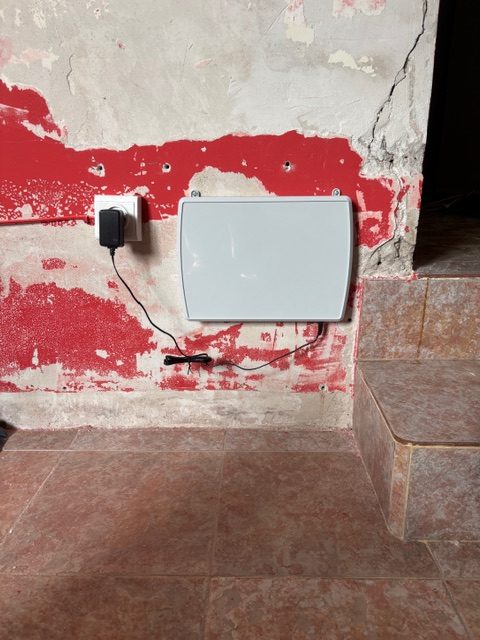
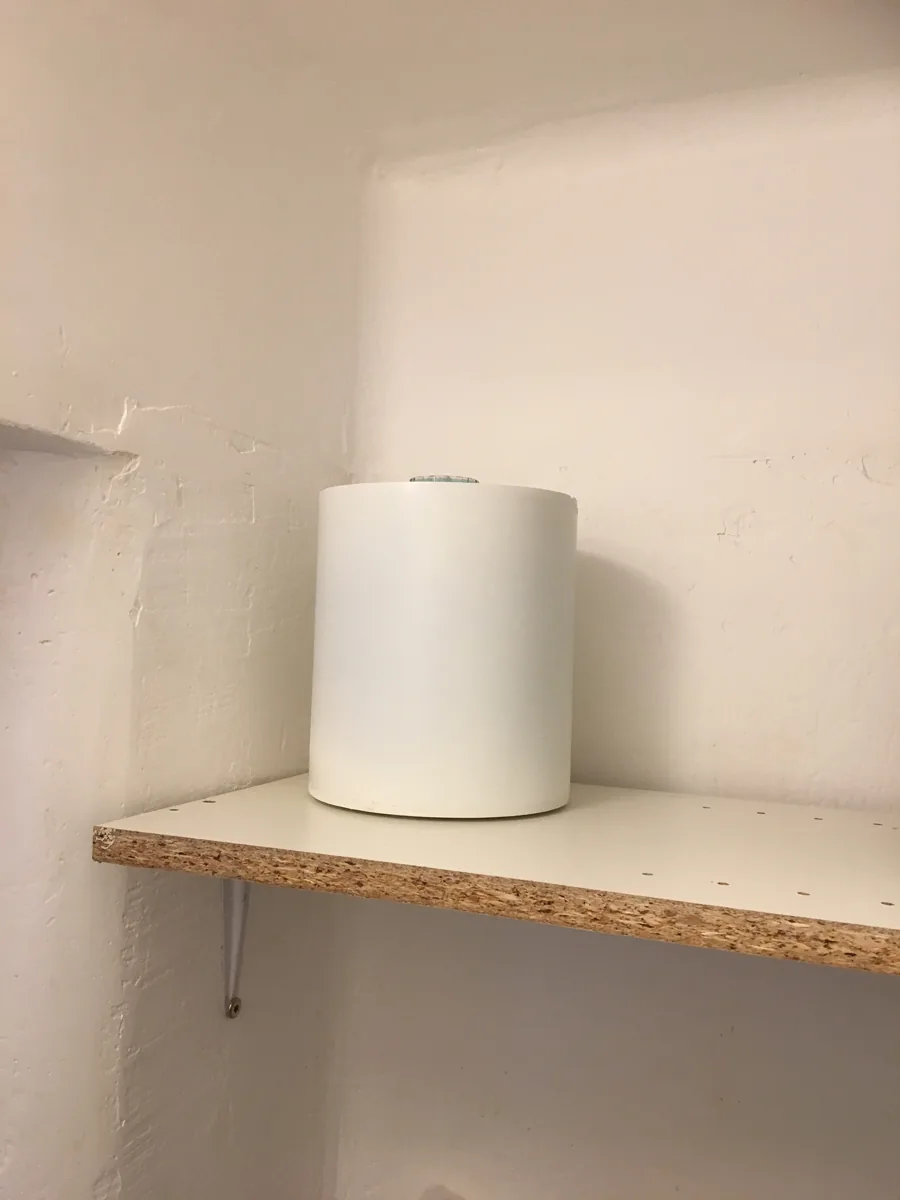
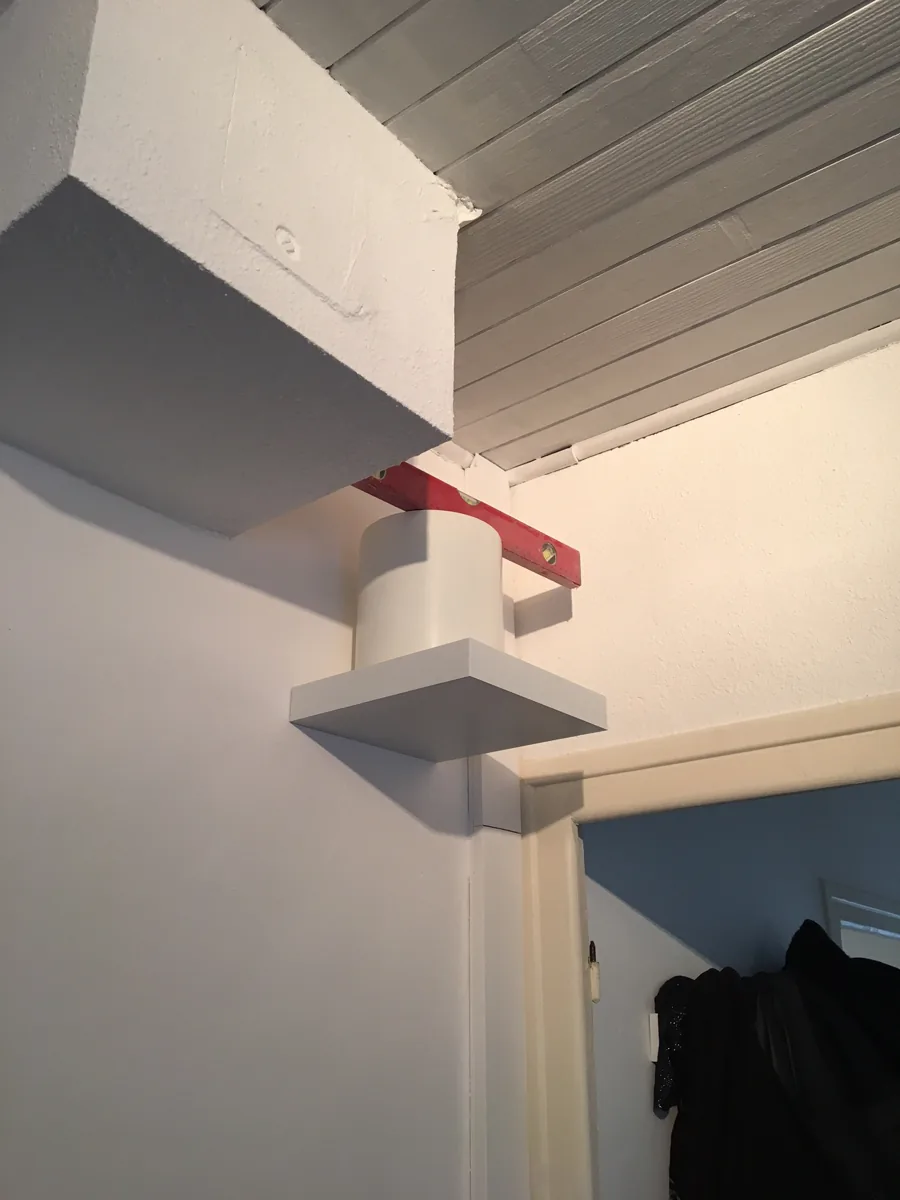
Rising damp has been confirmed and you want to choose a Humidistop device? Compare the models, coverage and installation requirements in the Help Humidité shop: ATE and ATG devices, specifications and prices.