Damp-proofing works: mistakes that can make walls worse
May 13, 2026
How long does a damp wall really take to dry?
May 13, 2026Old house and damp: understand before renovating

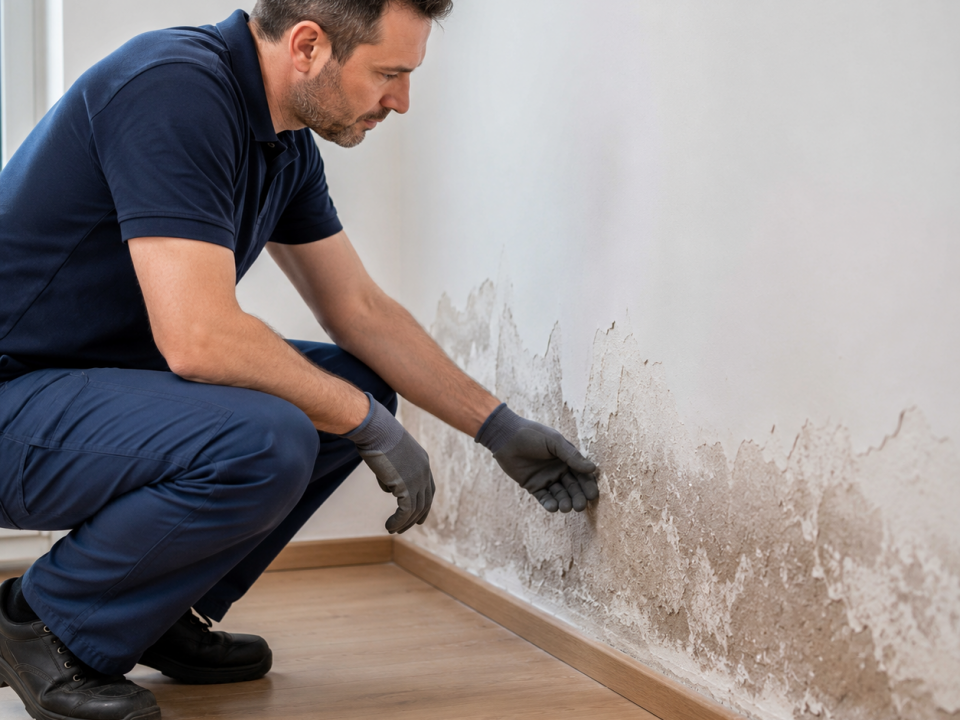
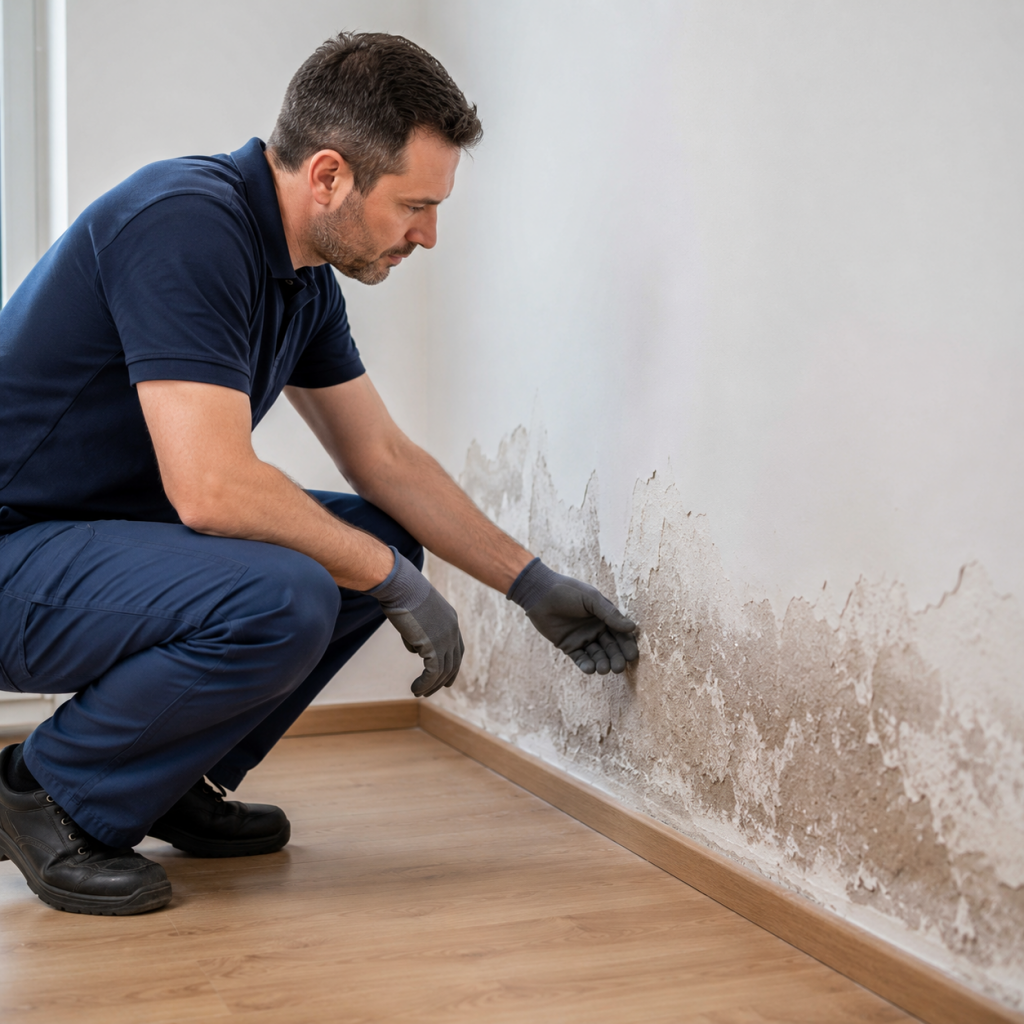
When damp appears, the first mistake is often to act too quickly. However, a damp wall gives many clues when you observe the marks, their position and how they change over time. Therefore, a simple method helps you understand the situation better and avoid an unsuitable solution.
With old house damp, the aim is not to hide marks, but to understand the signs before taking action.
Respect old materials
Old houses were often built with materials that let vapour pass through. When modern overly closed coatings are added, the balance can change.
Observe before renovating
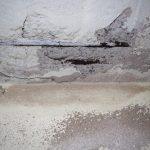
Before insulating, plastering or tiling, observe the areas already affected by damp. Then, check whether marks change with the season, rain or room use.
Keep breathability
Old walls do not react well to some waterproof barriers. Therefore, compatible materials should be chosen and full blockage of exchanges should be avoided.
Adapt the response to the building
An old house requires a gradual approach. The right solution depends on the cause, the wall material, ventilation and installation constraints.
Key takeaway
However, caution remains essential: solutions related to rising damp do not treat leaks, water infiltration, flooding or condensation alone.
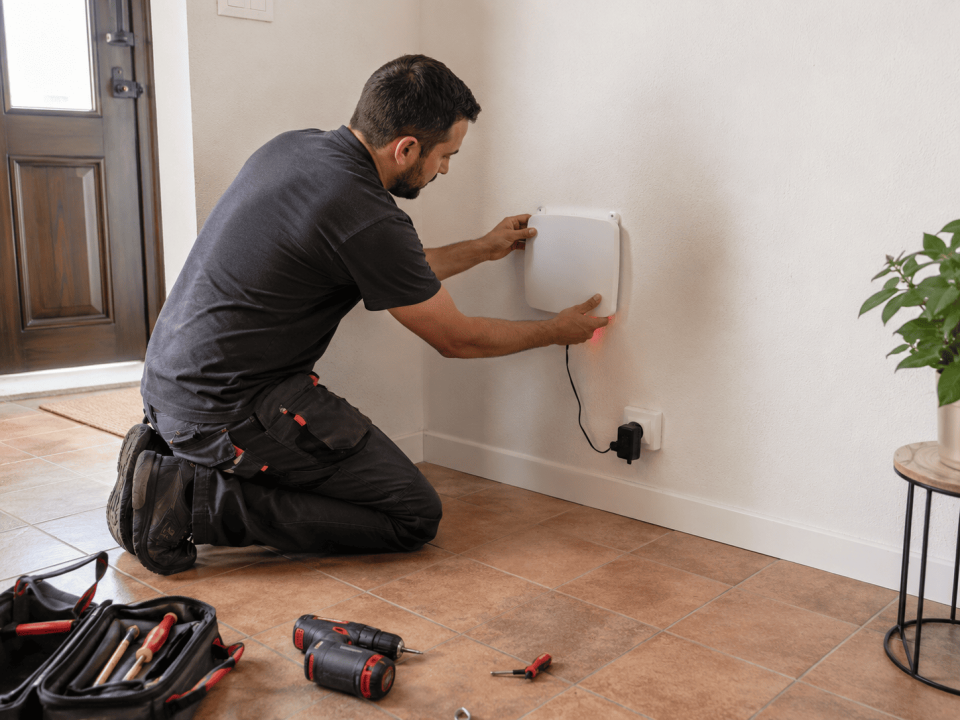
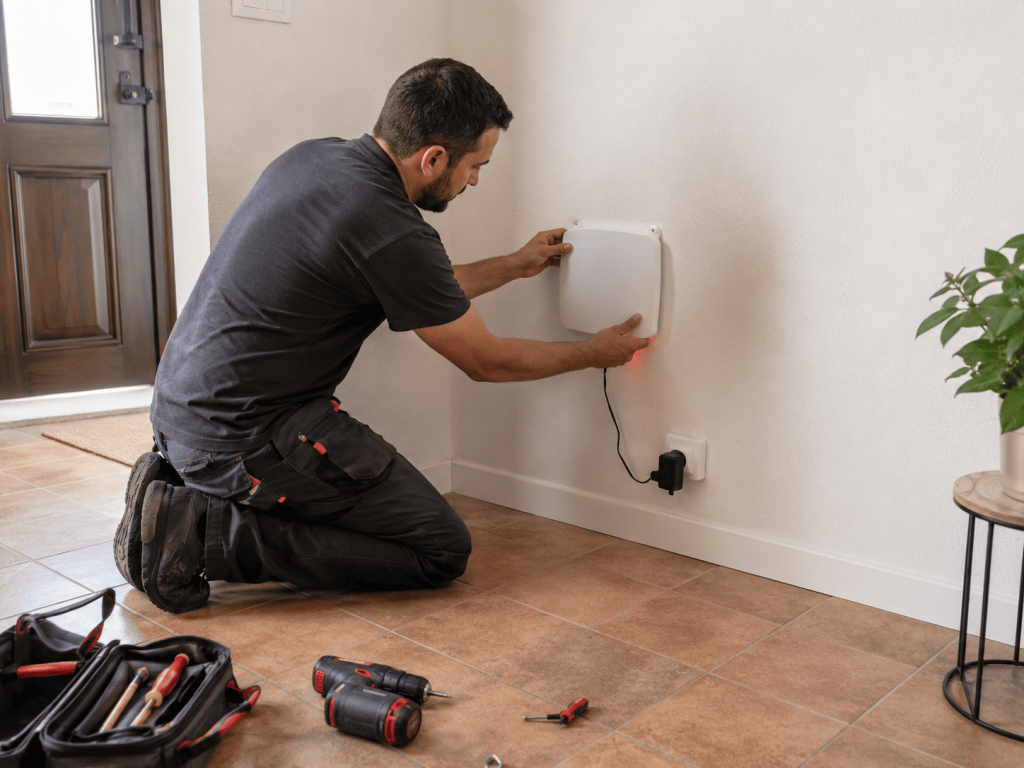
Unsure between several solutions? The Help Humidité website offers an online choice guide to help orient your search according to visible symptoms, the home layout and installation constraints.