How long does a damp wall really take to dry?
May 13, 2026
Online choice guide: select a solution suited to damp walls
May 13, 2026Infiltration, leak or rising damp: how to avoid the wrong solution
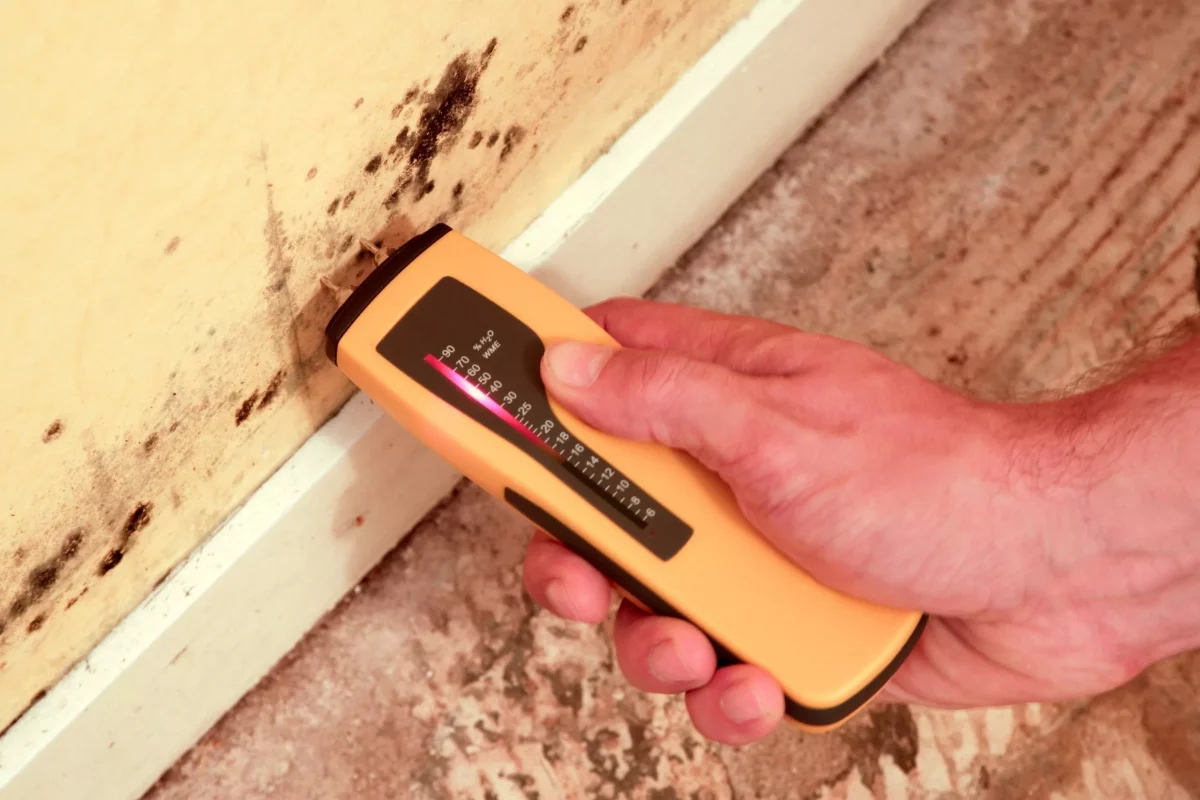
When damp appears, the first mistake is often to act too quickly. However, a damp wall gives many clues when you observe the marks, their position and how they change over time. Therefore, a simple method helps you understand the situation better and avoid an unsuitable solution.
With infiltration leak rising damp, the aim is not to hide marks, but to understand the signs before taking action.
Identify when it appears
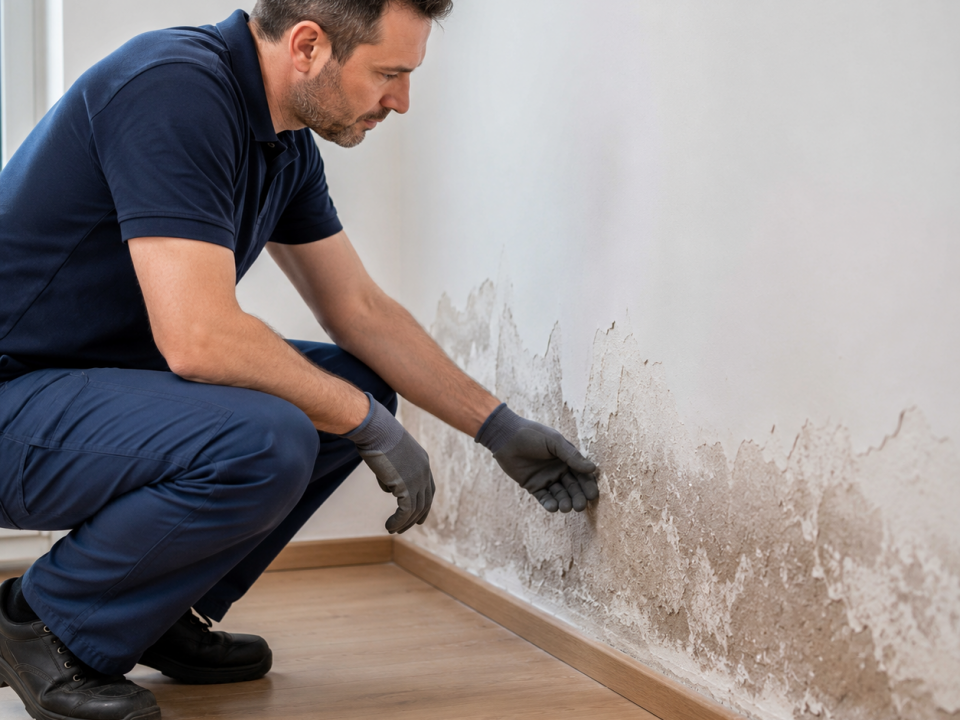
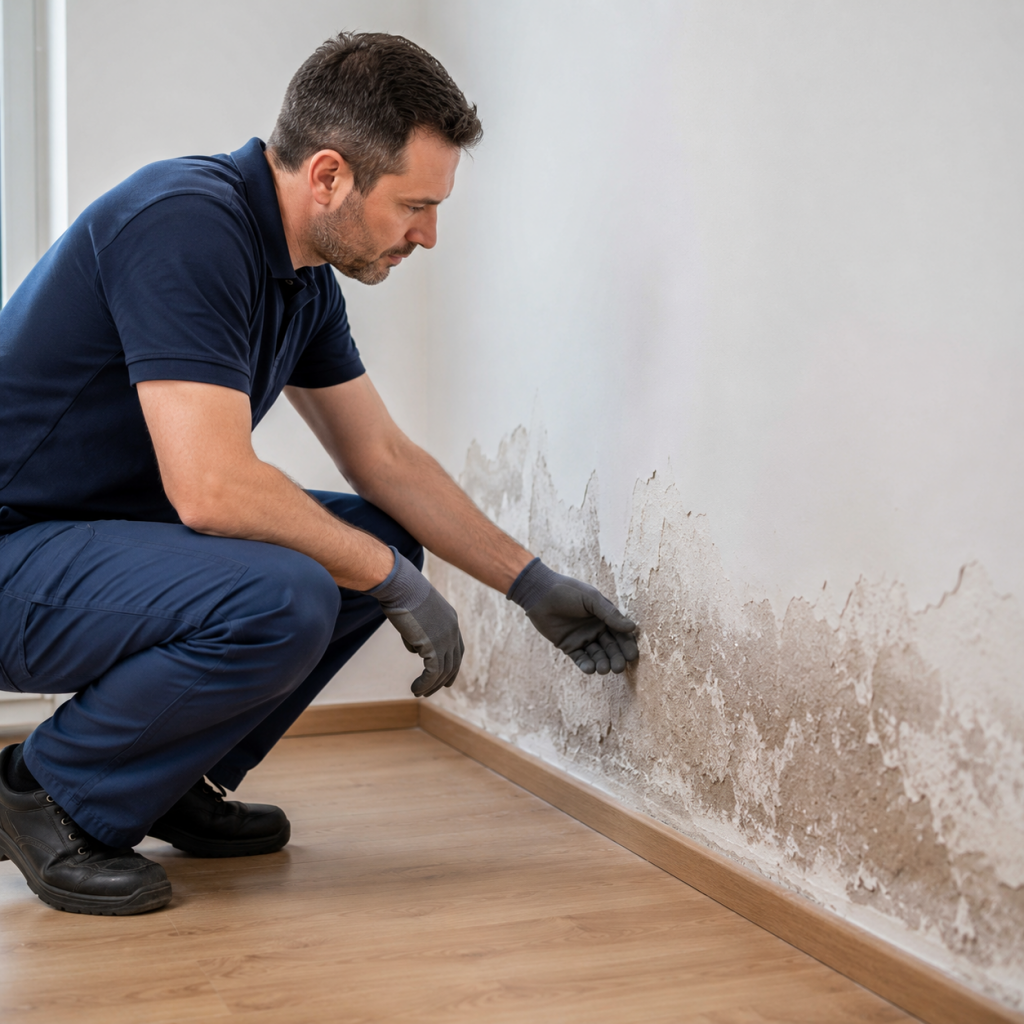
Water infiltration often appears after rain or near an exposed wall. A leak may remain localised around a pipe. Rising damp usually affects the lower part of walls from the material itself.
Avoid the one-size-fits-all answer
There is no universal answer to damp. Poor identification often leads to unnecessary spending and disappointment, because the real cause continues to act.
Correct obvious causes
Before anything else, check the roof, gutters, joints, façades, water inlets and drains. An outside or technical cause must be addressed at source.
Choose according to symptoms
When signs match rising damp, a dedicated solution may be considered. However, a basement with water entry, lateral infiltration or a leak requires a different response.
When a technical solution may be considered
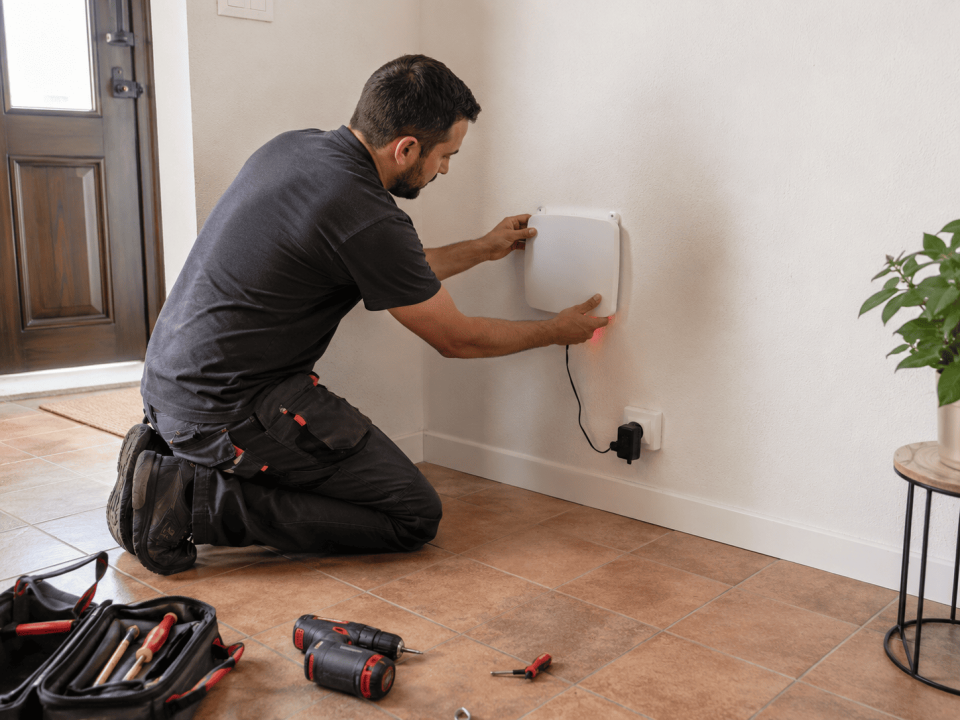
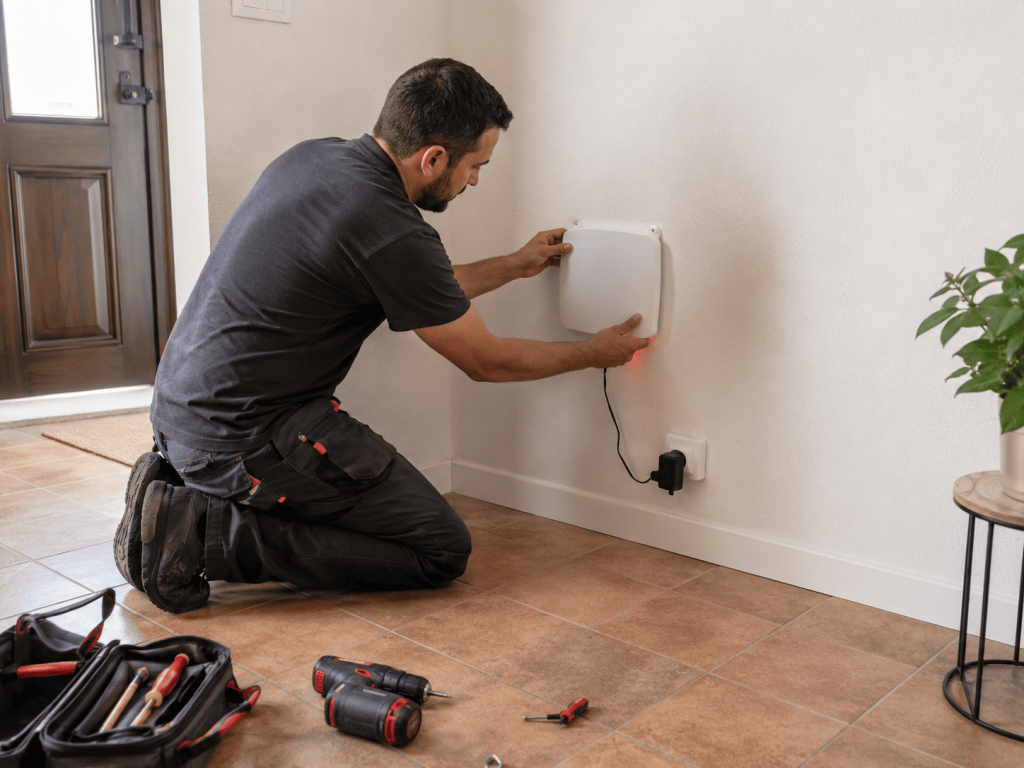
If the signs truly match rising damp, a technical solution may be considered. ATE remains the preferred option when installation is possible and a power socket is available. ATG may suit certain configurations without electricity or when installing a plugged-in ATE is difficult.
Key takeaway
However, caution remains essential: solutions related to rising damp do not treat leaks, water infiltration, flooding or condensation alone.
Unsure between several solutions? The Help Humidité website offers an online choice guide to help orient your search according to visible symptoms, the home layout and installation constraints.