Rising damp: understanding how water travels through a wall
Understand rising damp, the observations worth recording and the checks to make before choosing a treatment for damp walls.
Read the guideOur guides help you recognise signs of condensation, water ingress or rising damp and choose a suitable solution.
Visible signs provide clues. Investigations and suitable measurements are needed to check the cause.
Question 1 / 3
Are the marks at the bottom of the wall?
This questionnaire provides guidance; it does not confirm a diagnosis.
27 articles
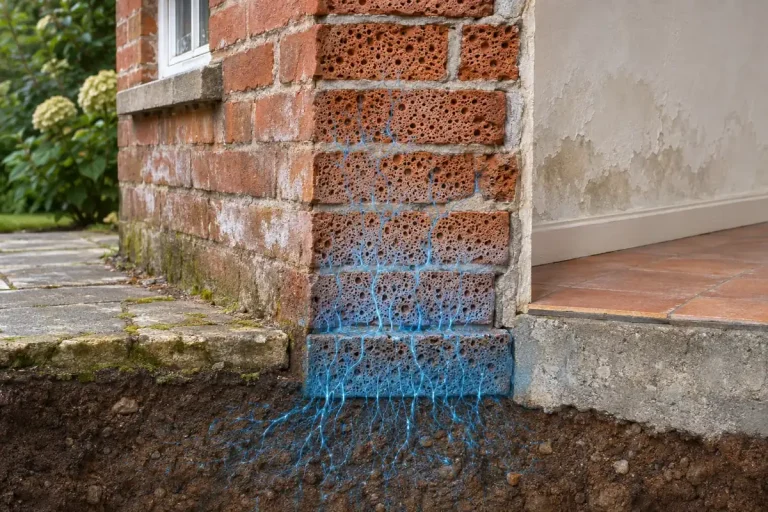
Understand rising damp, the observations worth recording and the checks to make before choosing a treatment for damp walls.
Read the guide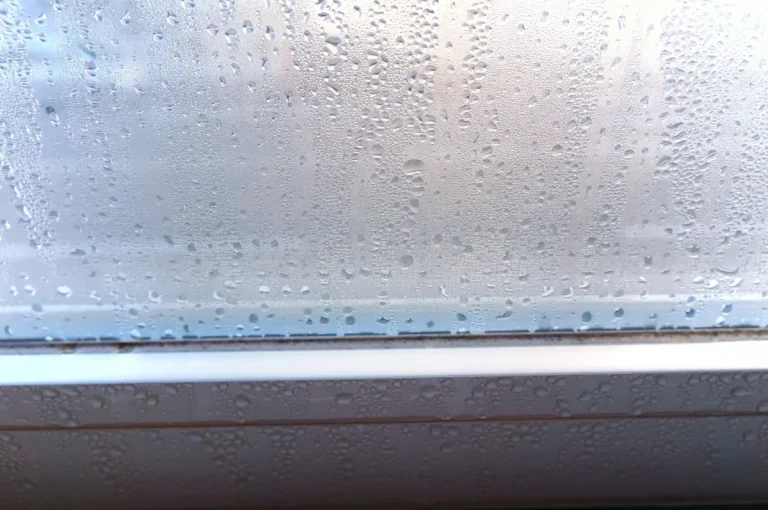
A patch behind a wardrobe does not establish rising damp. Check airflow, cold surfaces and possible leaks before choosing a treatment.
Read the guide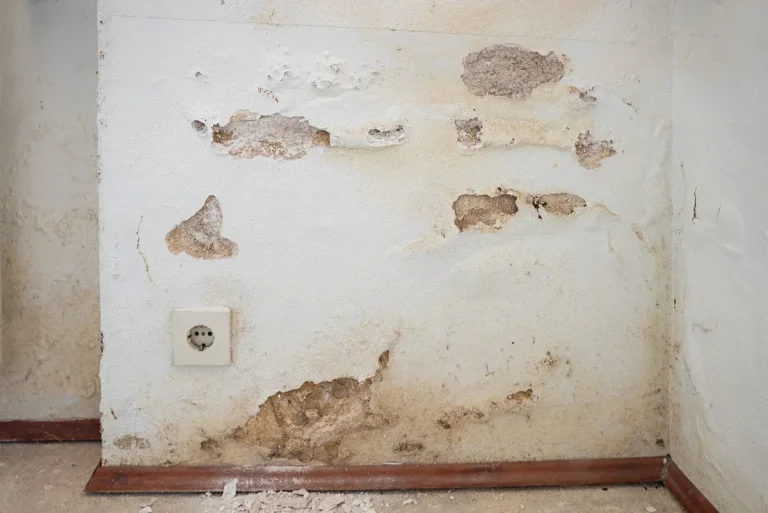
A stain appears after rainfall? Prepare seven useful photographs and a short timeline before choosing repairs or a damp treatment.
Read the guide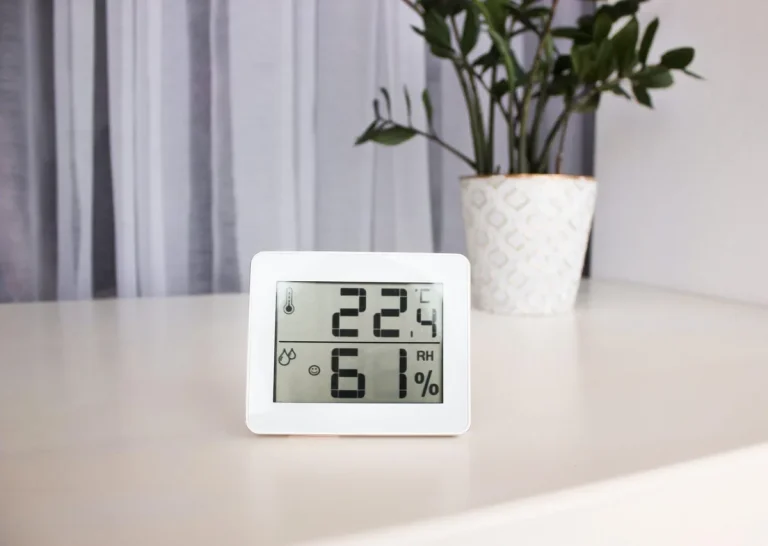
A 70% hygrometer reading does not prove a wall is wet. Learn how to record humidity and distinguish moisture in the air from moisture in masonry.
Read the guide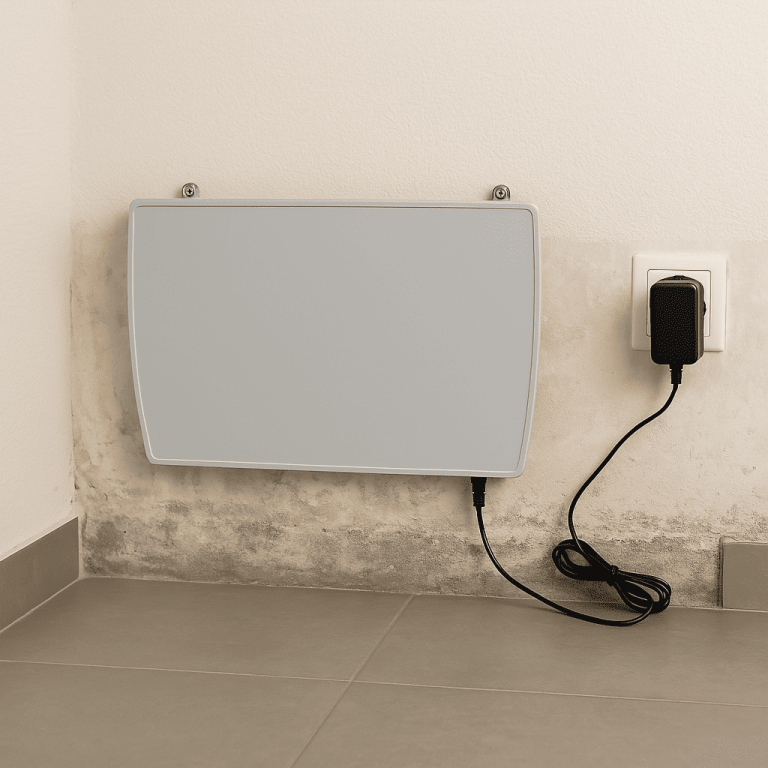
How to tell rising damp in walls from a leak or from water forming on cold plaster, then which route suits your house.
Read the guide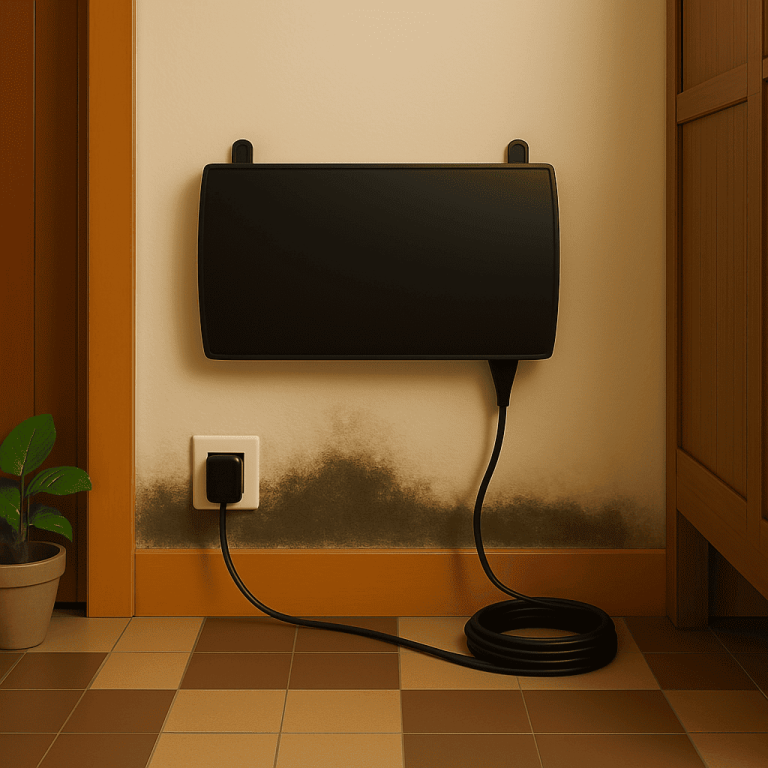
A damp bedroom wall has three possible sources. Ten minutes with a torch tells you which one you are dealing with.
Read the guide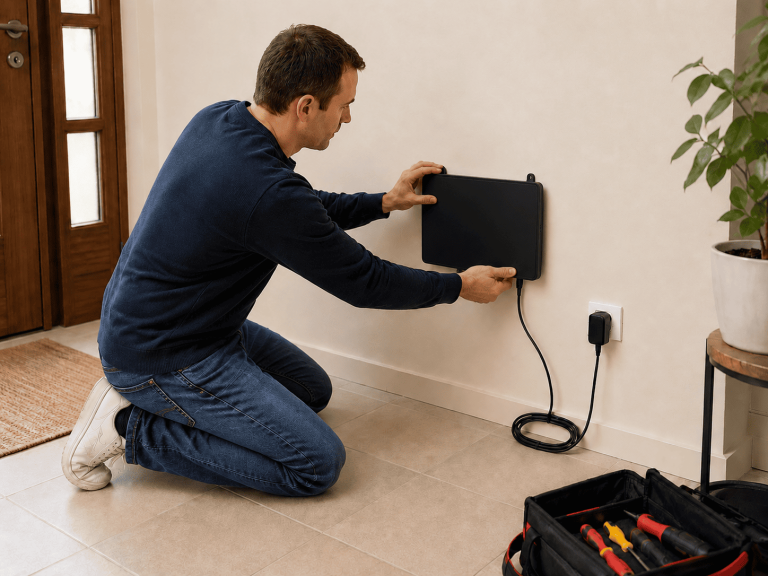
Interior wall damp proofing starts with the source of the water and ends with the finish. What boards hide, and what does not.
Read the guide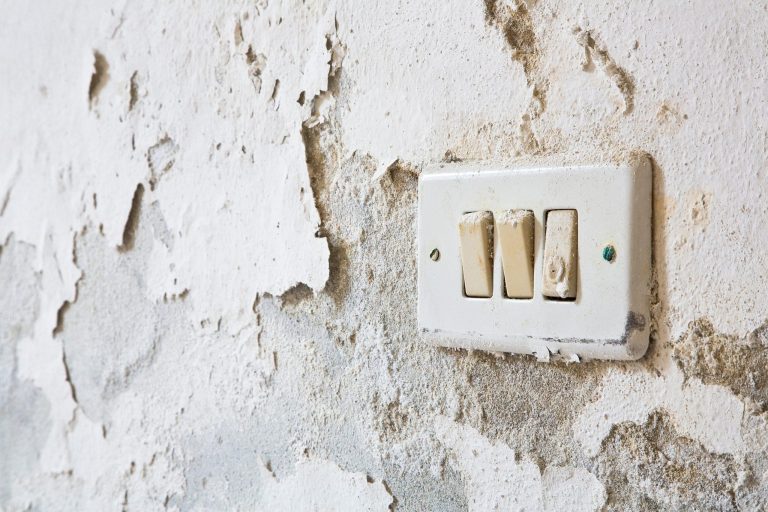
A house with damp walls can still be interesting, but the causes should be checked and a realistic budget planned.
Read the guide
A persistent musty smell can reveal an air, wall or water-entry issue. The cause should be found.
Read the guide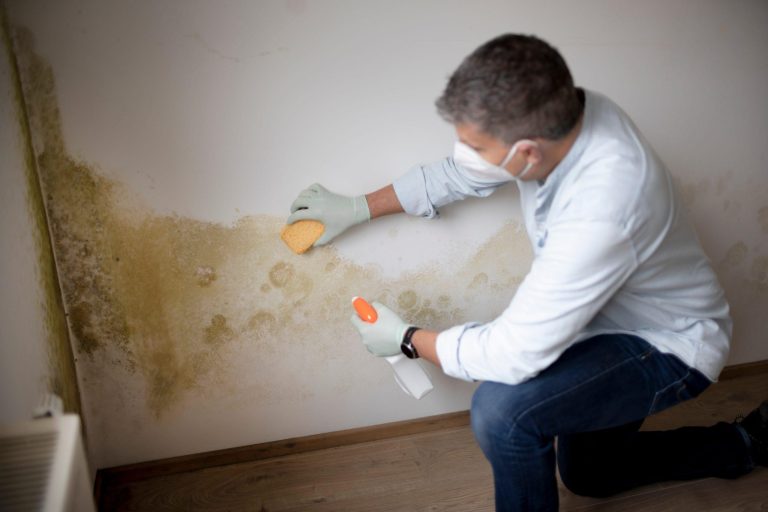
Condensation and rising damp can look similar, but the causes and solutions are not the same.
Read the guideBlack Friday: special prices until 01/12/2026 inclusive! Dismiss
Black Friday: special prices until 01/12/2026 inclusive! Dismiss