Saltpetre on walls: why it returns and how to act in the right order
May 13, 2026
Musty smell in a house: possible causes and good reflexes
May 13, 2026
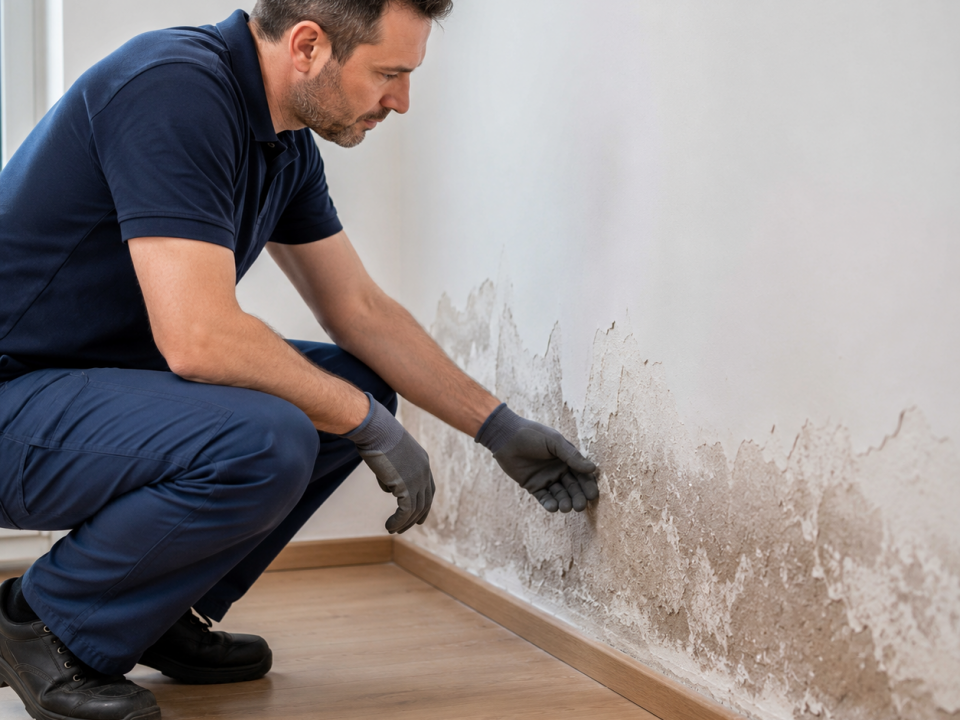
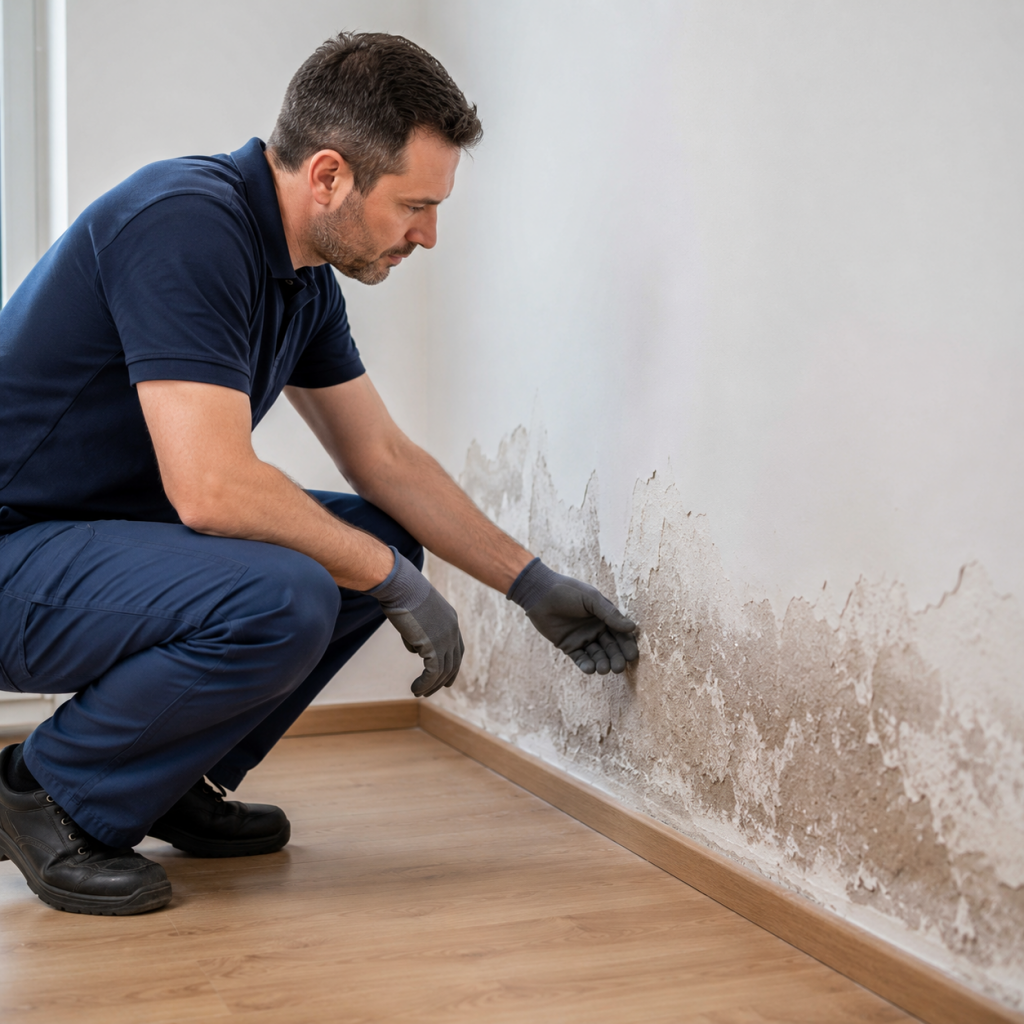
When damp appears, the first mistake is often to act too quickly. However, a damp wall gives many clues when you observe the marks, their position and how they change over time. Therefore, a simple method helps you understand the situation better and avoid an unsuitable solution.
With ventilating damp house, the aim is not to hide marks, but to understand the signs before taking action.
What ventilation improves
Ventilation removes humid air produced by cooking, showers, laundry and breathing. It therefore limits condensation on cold surfaces and improves indoor comfort.
What it does not always solve
However, if damp comes from the ground, a buried wall, a leak or water infiltration, airing is not enough. Ventilation supports the process, but it does not remove the source.
Create coherent airflow
Air must enter, circulate and leave. Blocked air inlets, overly airtight doors or weak extraction strongly reduce the efficiency of the system.
Combine observation and maintenance
Clean vents, check grilles and observe when marks appear. These clues help you distinguish condensation from wall damp.
Key takeaway
However, caution remains essential: solutions related to rising damp do not treat leaks, water infiltration, flooding or condensation alone.
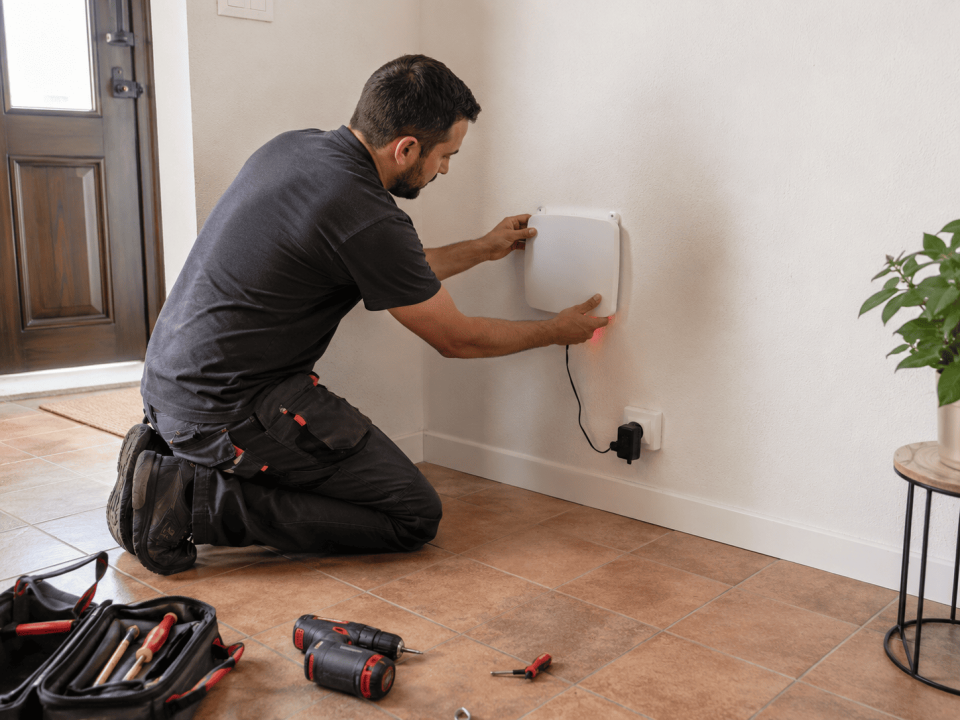
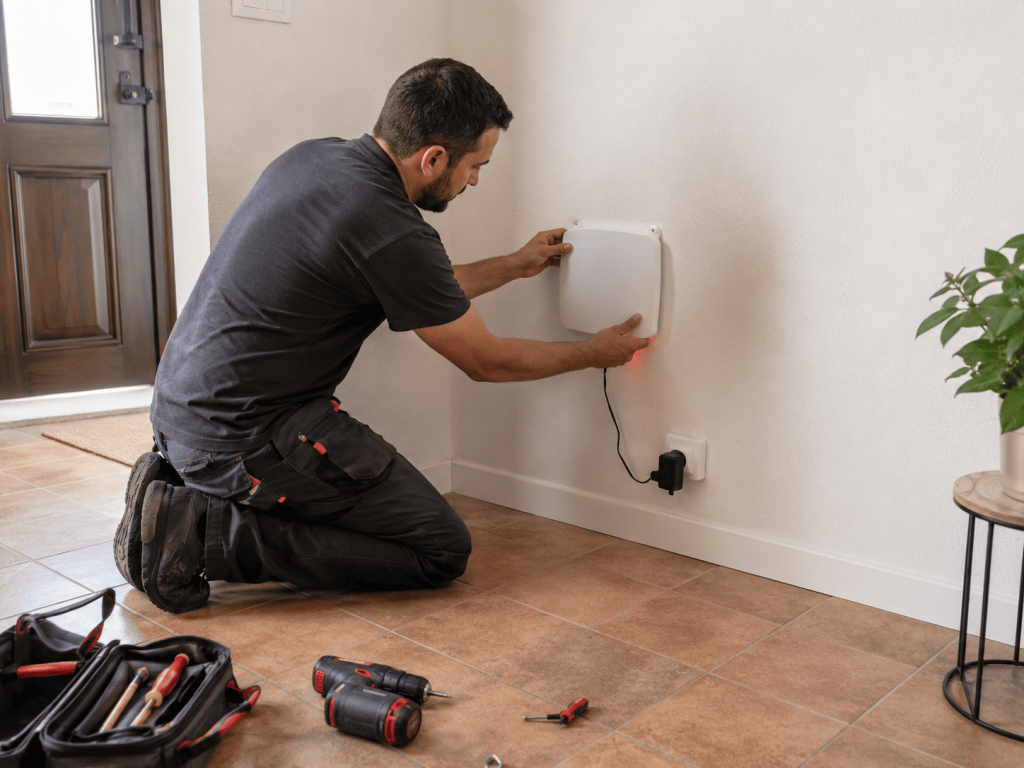
Unsure between several solutions? The Help Humidité website offers an online choice guide to help orient your search according to visible symptoms, the home layout and installation constraints.