Wireless electro-osmosis, polarity reversal and ATE/ATG: understanding the product names
November 4, 2026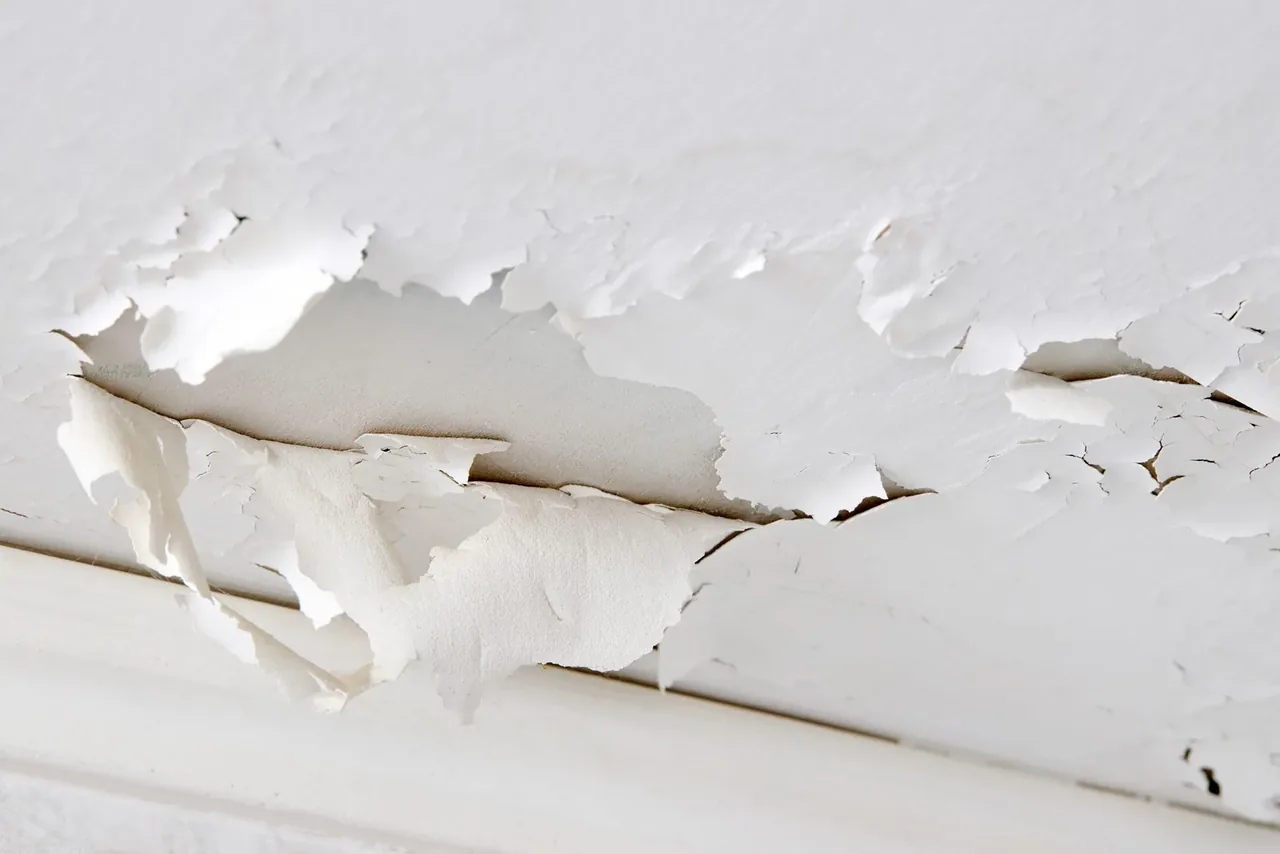
Repainting after installing a wall drying device: preparing the plaster and finish
November 4, 2026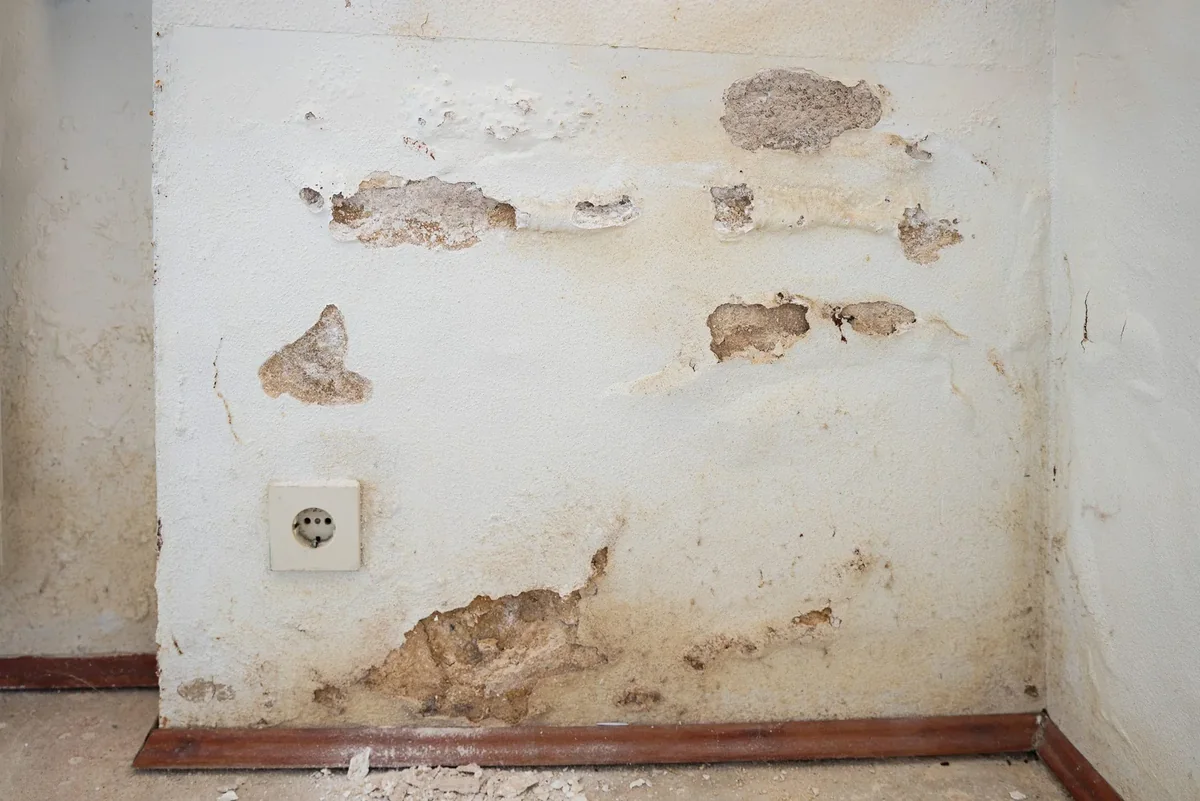
Different marks can need different responses
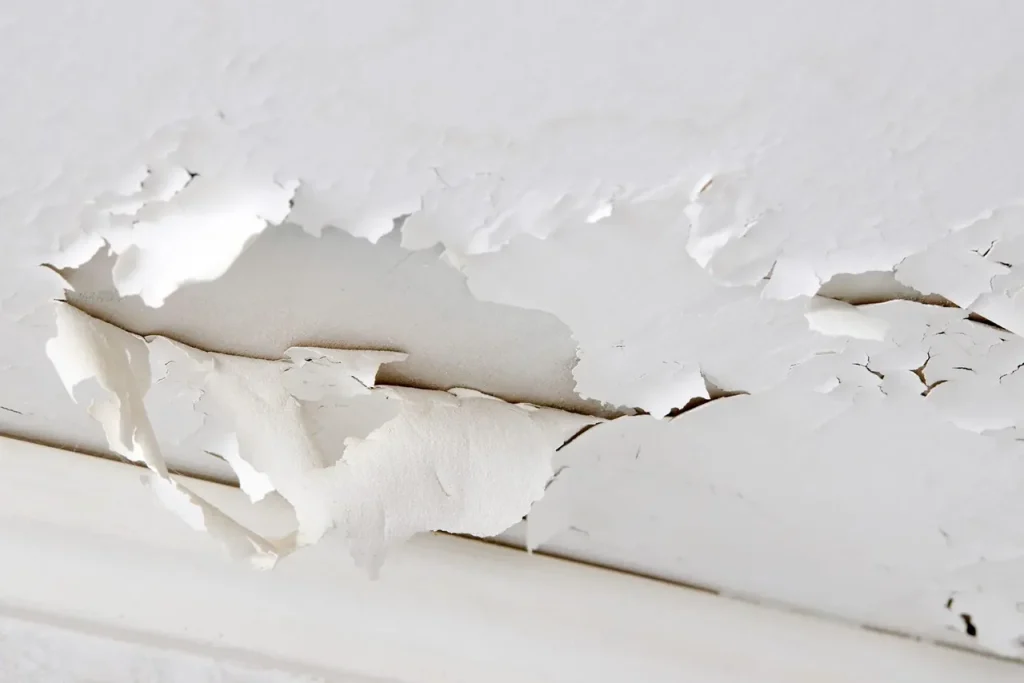
White salts or mould may first become noticeable when furniture is moved or old paint is removed. Their appearance can look similar from a distance, but they should not automatically be treated as the same phenomenon. Understanding the moisture involved helps decide whether the next step concerns indoor air, the masonry or a specific source of water.
Salt deposits and the wall material
Water moving through masonry can carry soluble salts. As water evaporates near a surface, deposits may remain visible. This is one reason that cleaning a white mark or applying new paint may not resolve the underlying moisture issue. The presence of salts alone does not establish every detail of the source. Wall position, construction and surrounding conditions also matter.
Mould and cold surfaces
Condensation can affect a cold surface when indoor moisture meets suitable conditions. A problem behind a wardrobe may therefore need attention to ventilation, heating and the room arrangement. An appliance intended for rising damp is not a universal mould treatment. Likewise, a dehumidifier changes the indoor air condition without demonstrating that a thick masonry wall has dried throughout.
When rising damp is the identified need
The ATE and ATG ranges are offered for walls affected by rising damp. ATE devices require mains power; ATG devices operate without an electricity supply. Compare their coverage and instructions against the building configuration. The customer installs the selected reference with its manual and the product advice supplied by Help Humidité.
Prepare finishes for the actual support
After the moisture source has been addressed, the condition of plaster and paint still matters for renovation. A wall dries progressively, at a rate that varies with materials, thickness and the environment. Follow the finishing product’s requirements rather than treating the disappearance of a mark as a universal decorating date. Read more about moisture rising through masonry or ask about an ATE or ATG model.