Condensation or rising damp: how to tell the difference
May 13, 2026
Persistent musty smell: causes and useful actions
May 13, 2026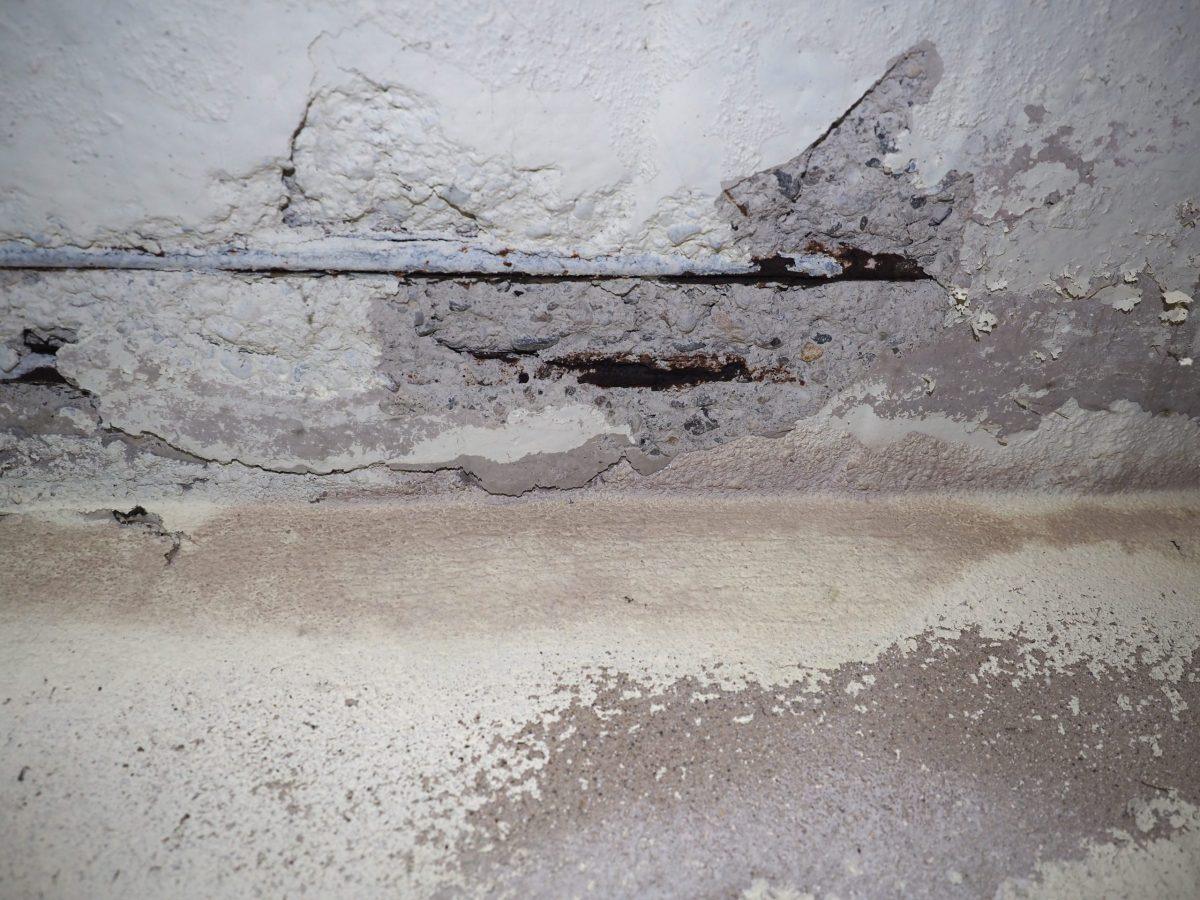
Why damp sometimes returns after renovation
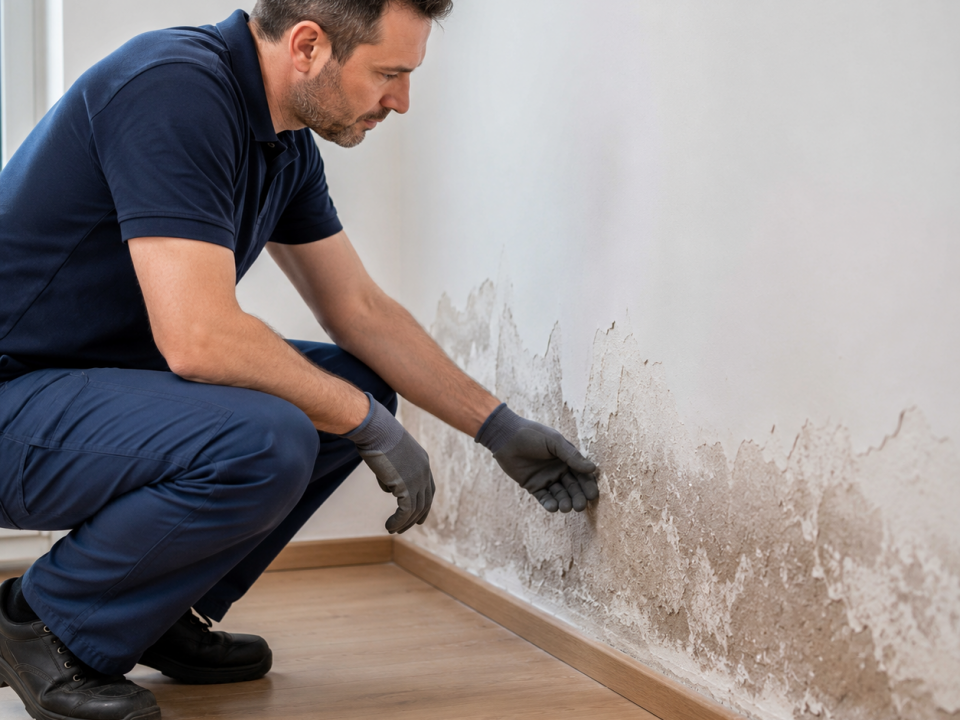
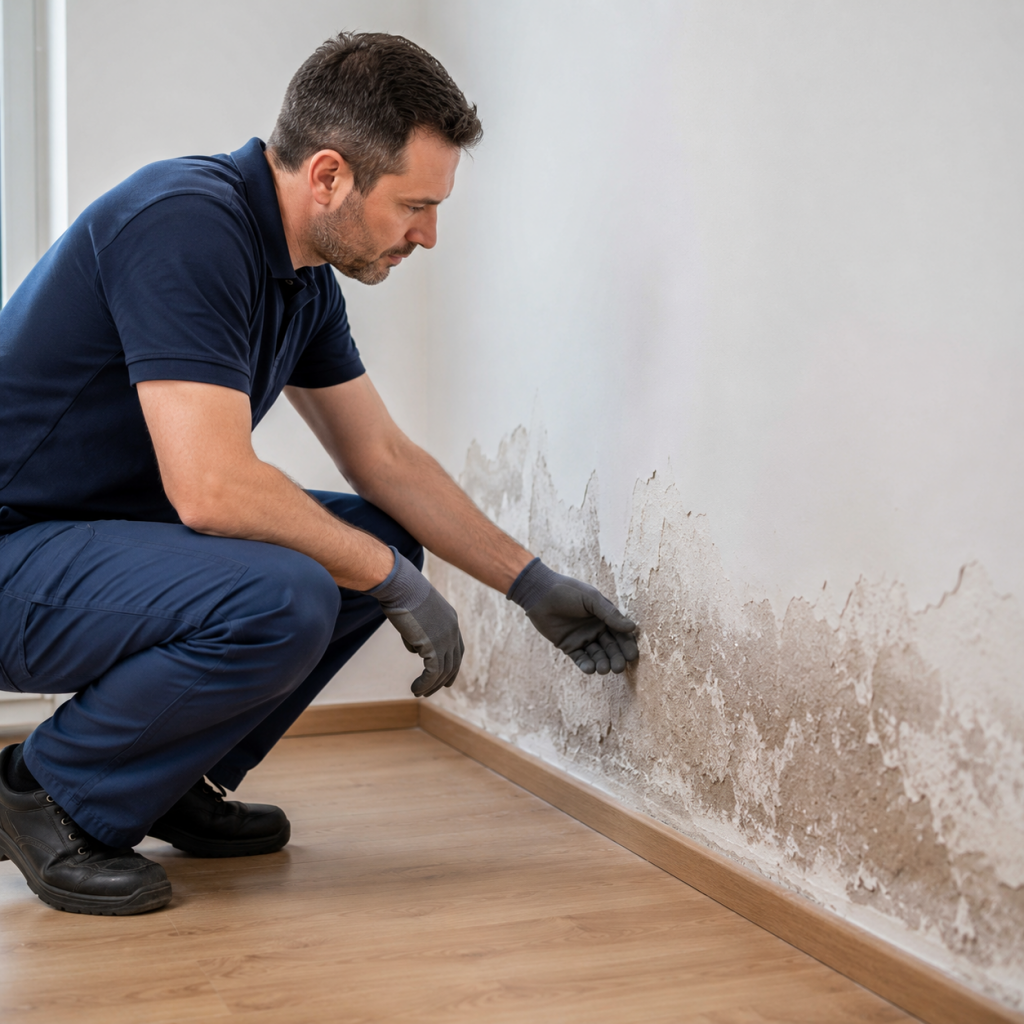
A wall that becomes damp again after work can be very frustrating. The paint was new, the finish looked clean and the result seemed positive. Yet a few months later, stains, blisters or smells return. This often happens when renovation has hidden the issue without addressing the cause.
In an older house, some walls need to breathe. If materials that are too sealed are applied to a surface that is still damp, water remains trapped in the masonry. The result may look correct at first and then gradually deteriorate.
Work that can make a damp wall worse
Applying paint that is too waterproof
A very sealed paint can hide marks, but it limits evaporation. If moisture continues to arrive or if the wall has not dried enough, the finish can blister, yellow or peel.
Adding lining in front of the wall
Lining can improve the look of a room, but it can also hide an active issue. If air does not circulate behind it, moisture can remain trapped and create smells or damage that is not visible at first.
Using an unsuitable render
A render that is too hard or too sealed is not always compatible with older walls. Some surfaces need breathable materials to release residual moisture.
Good reflexes before redoing finishes
- Identify whether marks start at the bottom or in one precise area.
- Check the effect of rain and the condition of façades.
- Review room ventilation.
- Allow the surface to dry before painting.
- Avoid sealed coatings on a damp wall.
- Choose materials suited to the existing surface.
These steps help work happen in the right order. They reduce the risk of doing the same work twice.
When to consider a solution for rising damp
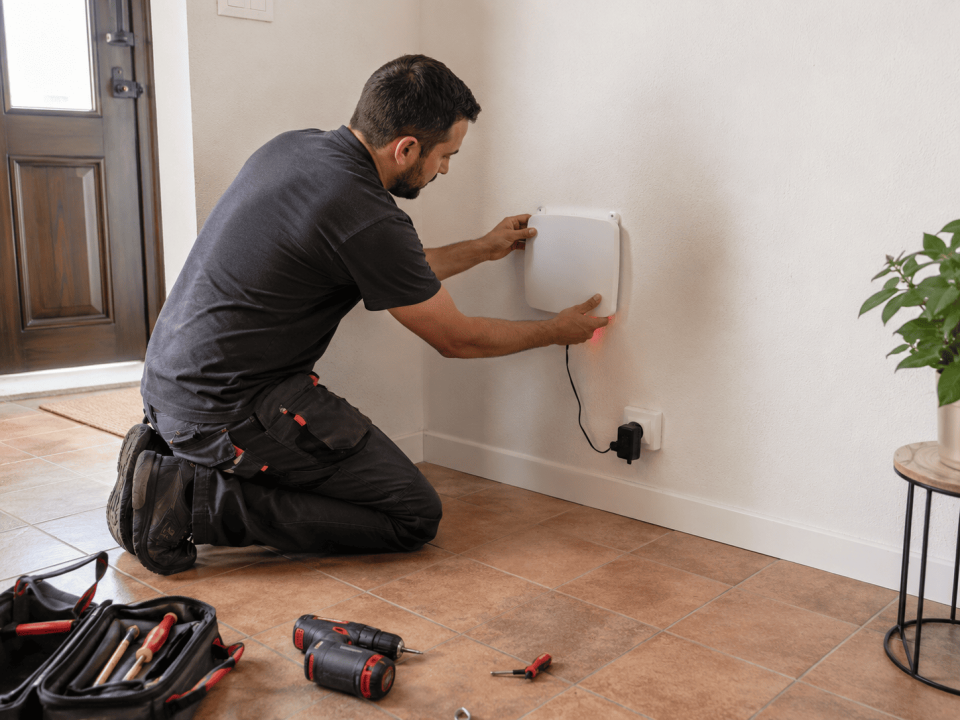
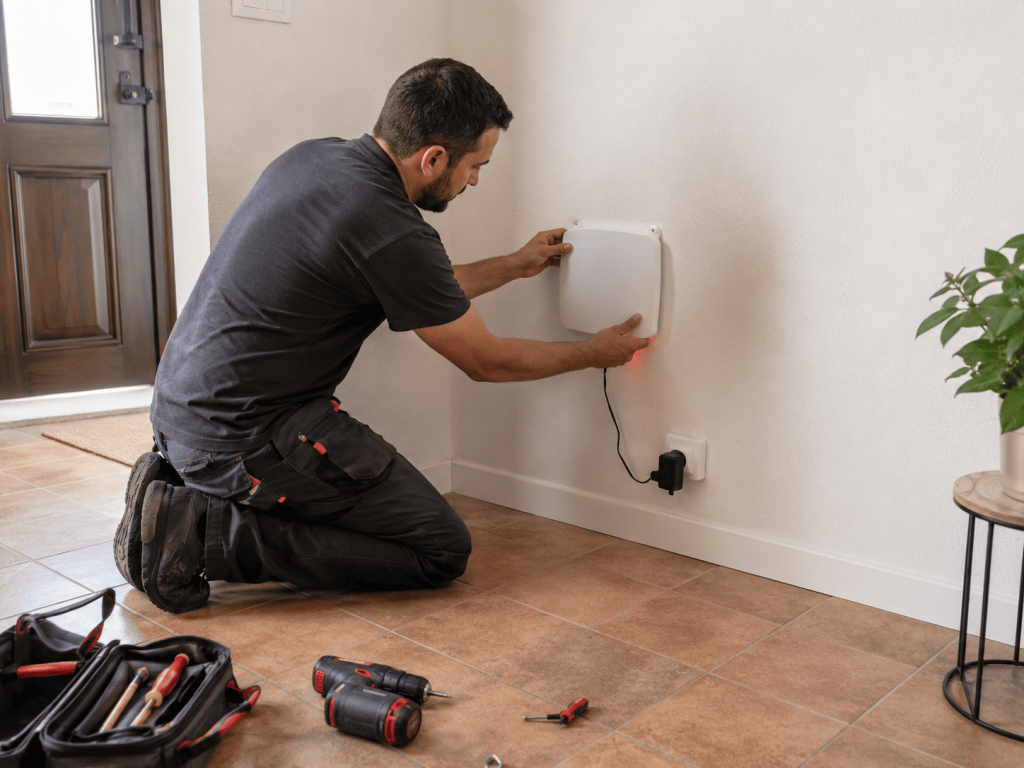
If marks appear at the bottom, with salt deposits, damaged skirting boards or crumbly plaster, rising damp may be one of the possible causes. An ATE solution may be considered if a power socket is available and if installation is possible on a damp load-bearing wall, near the bottom. The device must not be installed on a partition, plasterboard or lining.
If this installation is not possible, the ATG geomagnetic device without electricity may be considered depending on the layout. In all cases, devices do not treat infiltration, leaks, flooding or condensation alone.
Key takeaway
A lasting renovation rarely starts with paint. It starts with observing the cause, allowing enough drying time and choosing coherent materials. The better the wall is understood before work begins, the more likely the finishes are to last.