An electricity-free damp device for a closed house: understanding the ATG option
November 4, 2026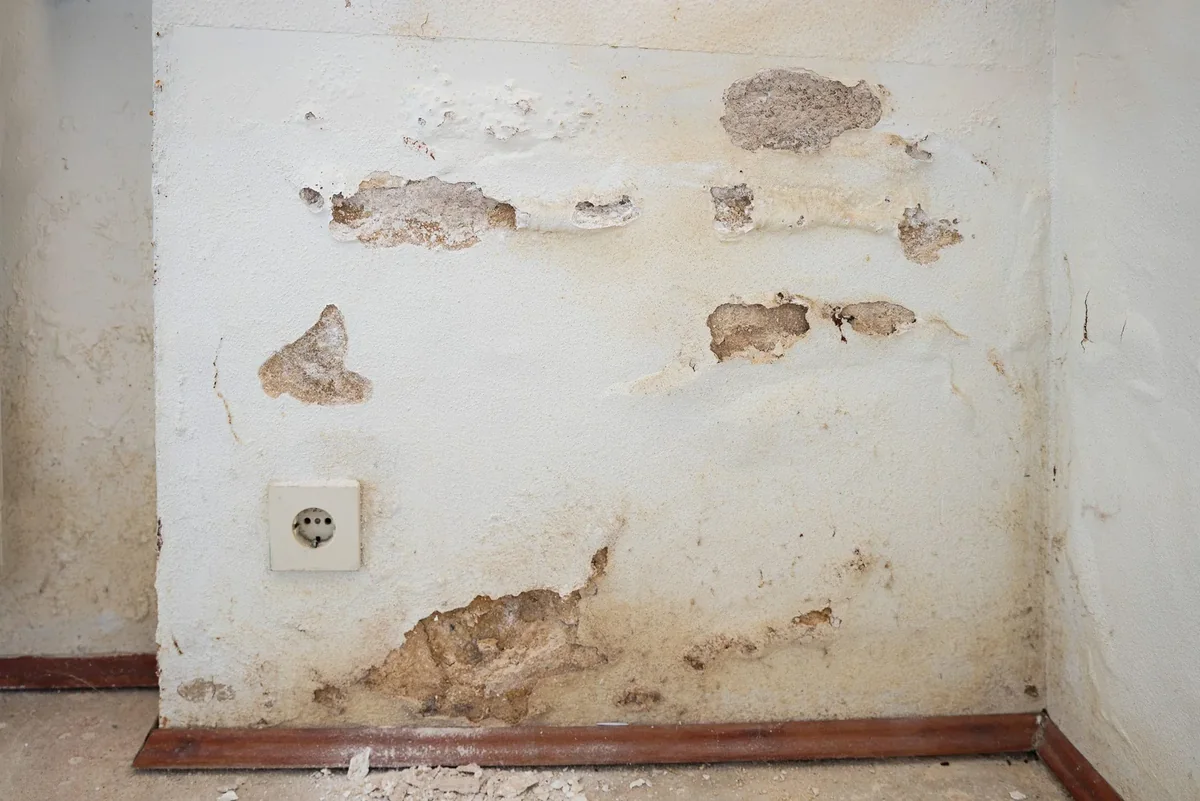
White salts or mould on a cold wall: choosing the right response to damp
November 4, 2026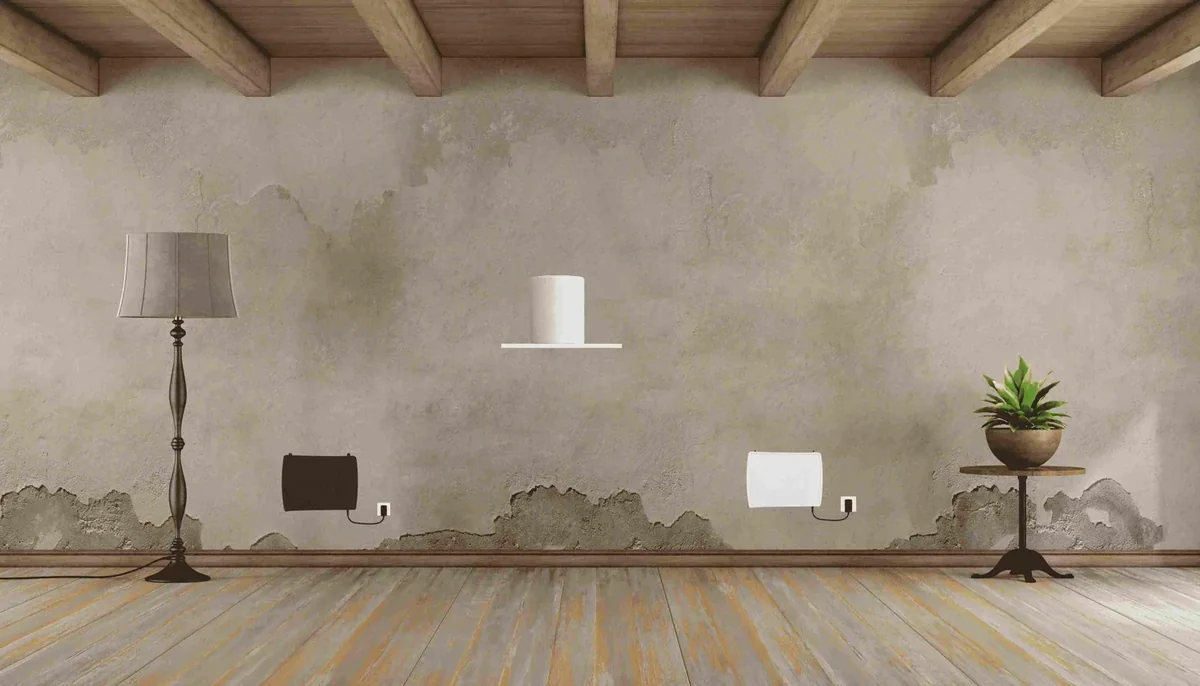
One search can bring up different technologies
Wireless electro-osmosis appears alongside polarity reversal, electronic damp proofing and wall drying devices in searches about rising damp. These expressions are not a shared technical specification. Products described with similar words can have different designs and installation requirements. The useful starting point is the identifiable reference and the information provided for that particular model.
Understand the intended application
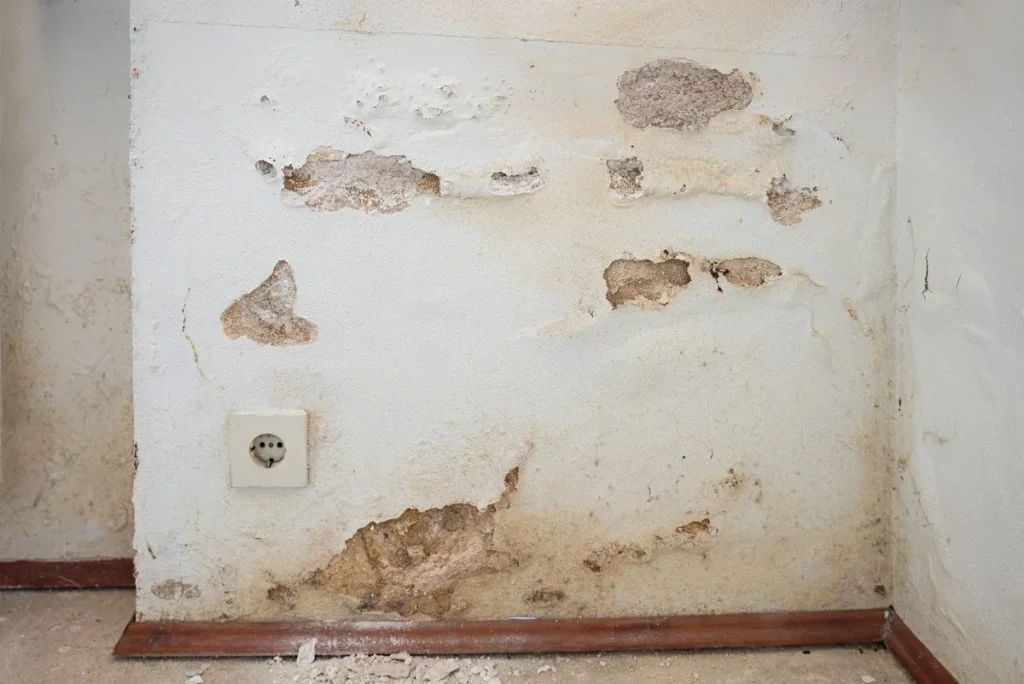
Help Humidité offers ATE and ATG devices for walls affected by rising damp. This is moisture moving through porous masonry from a ground source. It is distinct from condensation in a room or water escaping from plumbing. A wall drying device does not replace the repairs or ventilation appropriate to those other causes. Several issues can also occur in the same building.
Electromagnetic ATE and geomagnetic ATG
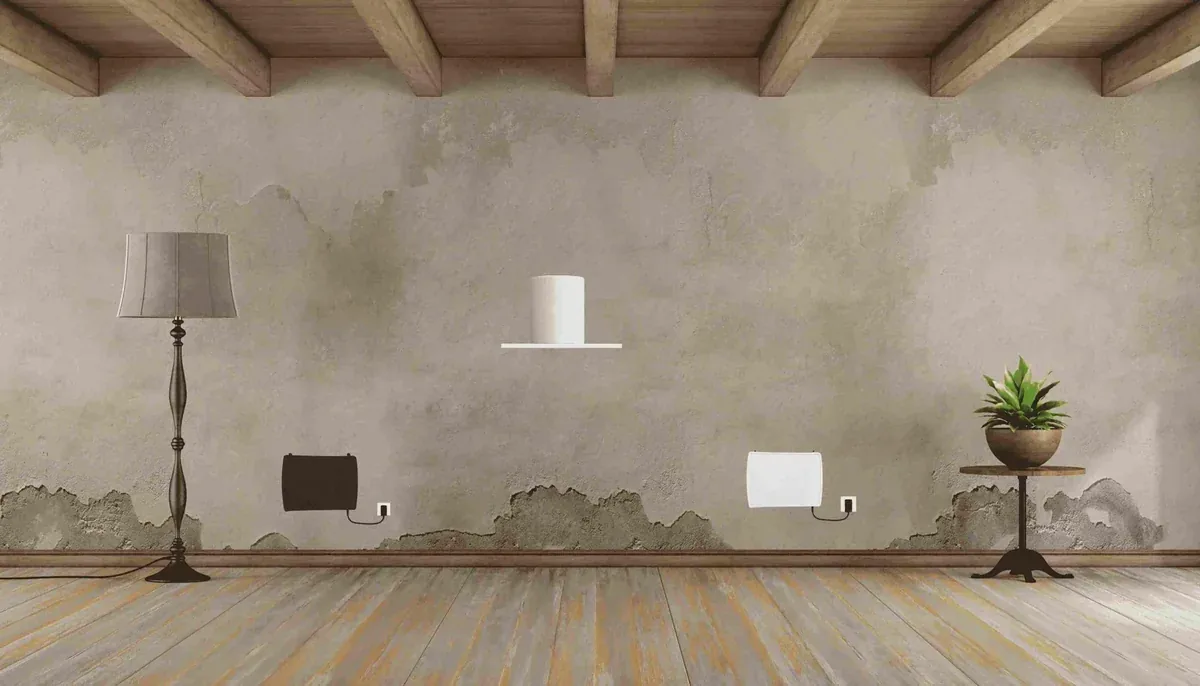
ATE devices use a mains electricity supply. The range includes references such as LC15, LC30, LC30 PULSE and MAX, with specifications shown on their product pages. ATG devices belong to the geomagnetic range and operate without an electricity supply. These distinctions should be read with the selected model’s stated coverage and manual, rather than inferred from the word wireless alone.
Coverage and positioning are practical choices
The diameter announced for a device needs to be considered with the layout of the property. It is not the same unit as the floor area in square metres. Customers install their equipment using the supplied instructions and advice. Positioning, mounting and the required power supply are explained for the reference purchased. The Help Humidité shop provides the model information for comparison.
Keep product claims tied to their documents
Read what the purchase includes and the written warranty terms. Drying time varies with the building and its materials, so a general description should not be read as a fixed deadline for every house. The rising damp page explains the application, while the Help Humidité team can answer questions about selecting and installing its devices.