Why a wall stays damp despite heating
May 13, 2026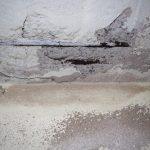
Damp wall after renovation: why the problem comes back
May 13, 2026
Why it is important to distinguish condensation and rising damp
A damp stain does not always provide the answer on its own. Two walls can show similar marks while the causes are different. Condensation mainly comes from indoor air and cold surfaces. Rising damp is moisture that moves up from the ground through porous materials.
This difference changes everything, because the right actions are not the same. Condensation first requires work on air, ventilation, habits and cold bridges. Rising damp requires observation of the wall, its position, its materials and the height of the damage.
Signs that point towards condensation
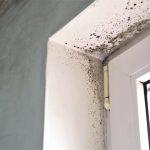
- Frequent mist on windows.
- Marks in cold corners.
- Mould behind furniture.
- Heavy air after showering, cooking or drying laundry.
- Visible improvement with regular ventilation.
Condensation is often linked to humid air meeting a cold surface. It can appear even in a well-maintained home, especially if ventilation is insufficient or furniture prevents air circulation.
Signs that point towards rising damp
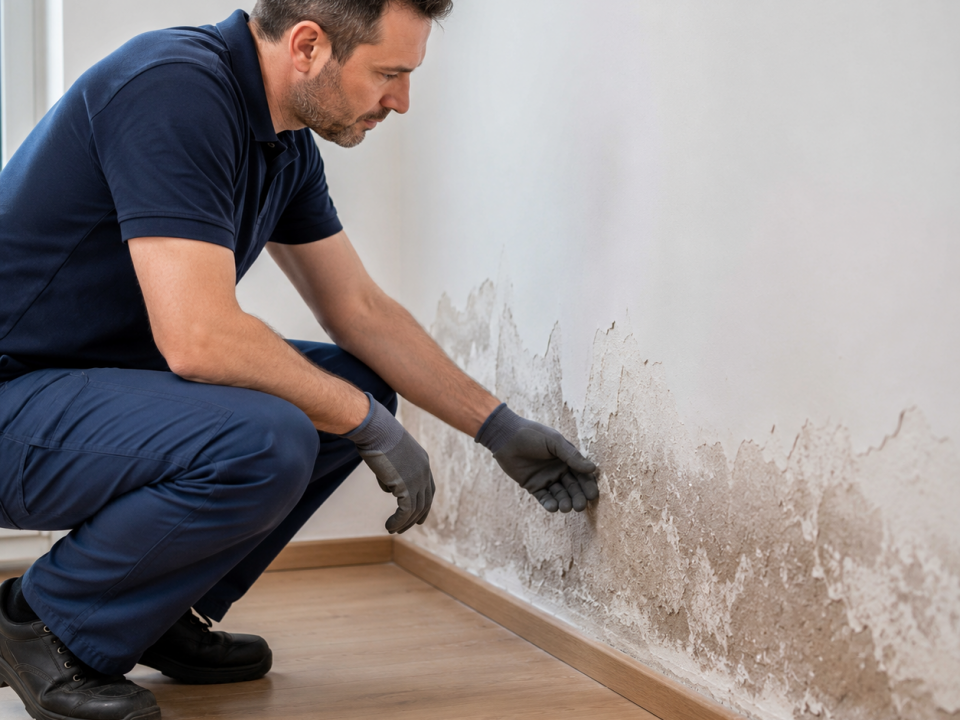
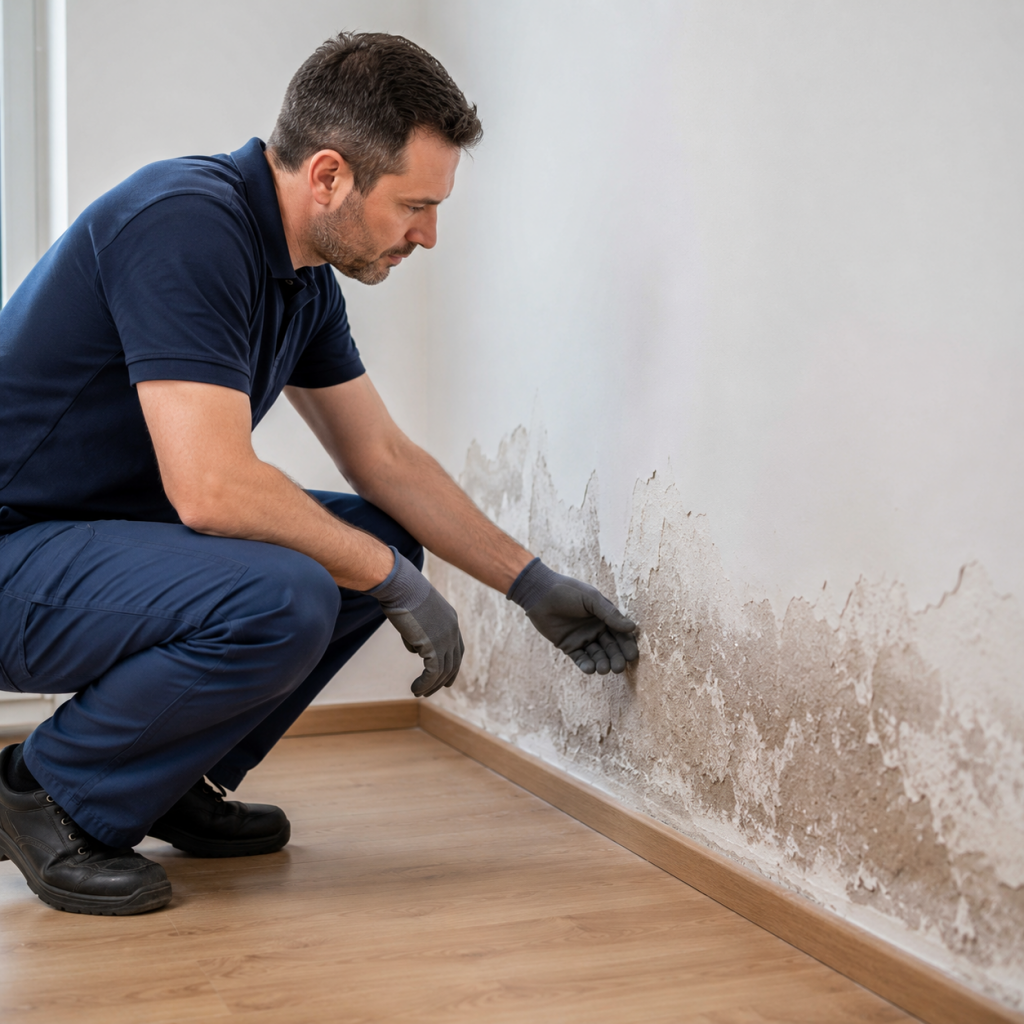
- Moisture visible at the bottom of the wall.
- Salt deposits or white powder on the surface.
- Crumbly plaster near the floor.
- Blistering paint at the lower part of the wall.
- Wall remaining damp despite airing.
These signs may suggest moisture coming from the masonry. Caution is still needed, because lateral infiltration, a leak or pressurised ground can also create damage in the lower part.
Mistakes to avoid
Treating condensation with a wall solution
If moisture mainly comes from indoor air, ventilation remains the priority. Vapour sources should also be reduced and air circulation improved.
Treating infiltration as rising damp
If water enters through a façade, roof, crack or water point, that entry must be addressed first. Wall damp devices do not treat infiltration, leaks, flooding or condensation alone.
Sealing the wall too quickly
Waterproof paint or lining installed too soon can trap moisture. The wall looks clean at first, then defects return.
How to move forward logically
Observe the height of the marks, their evolution after rain, room ventilation, existing coatings and material condition. Only then does it become easier to choose a coherent action.
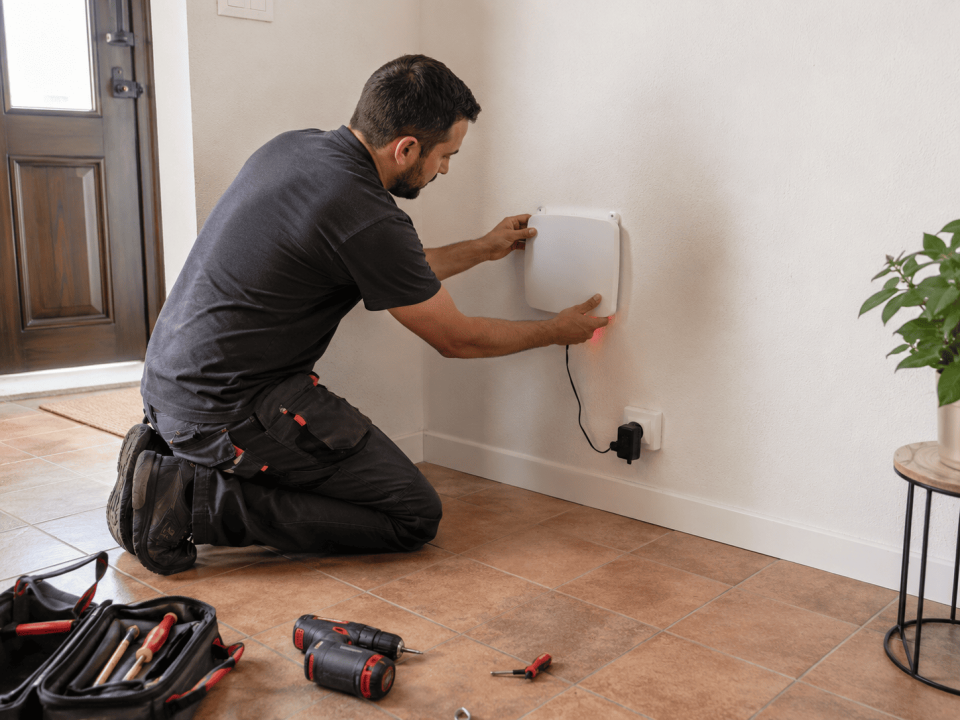
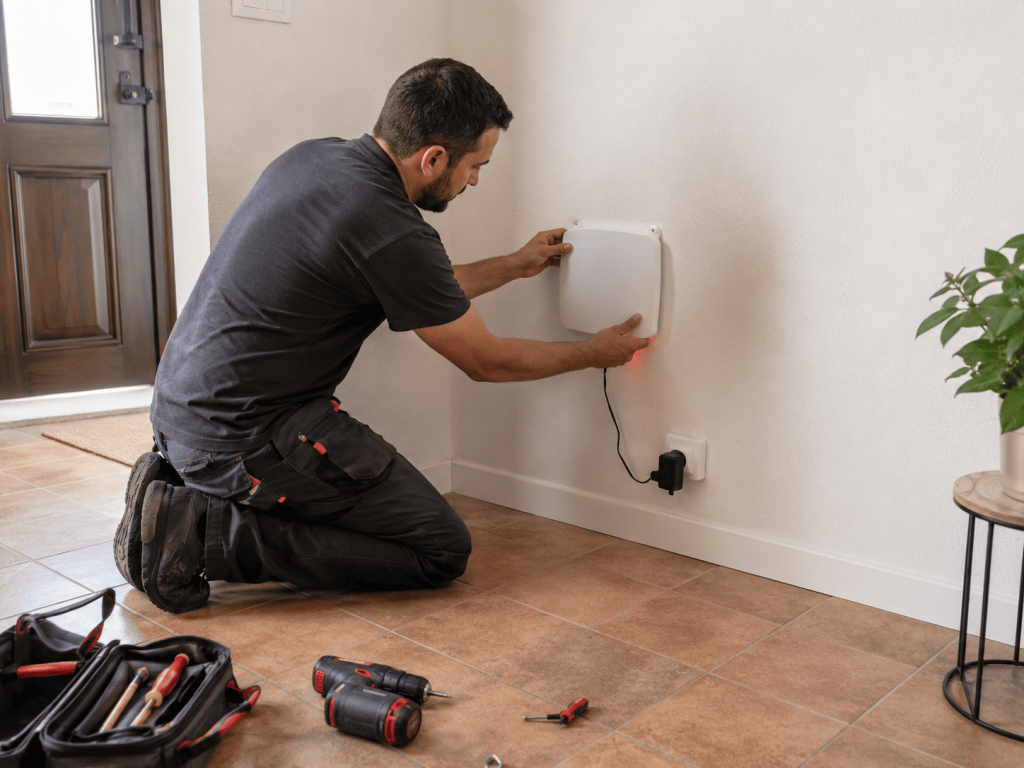
When the signs match rising damp on a damp load-bearing wall, the Help Humidité online choice guide can point towards a suitable solution. ATE is the priority if installation is possible at the bottom of a load-bearing wall and if a power socket is available. ATG may be considered as a no-electricity alternative in some layouts.
Key takeaway
Condensation and rising damp can sometimes coexist, but they are not treated in the same way. Reading the signs before acting helps avoid unnecessary spending and work that makes the problem worse.