

Online choice guide: select a solution suited to damp walls
May 13, 2026
Condensation or rising damp: how to tell the difference
May 13, 2026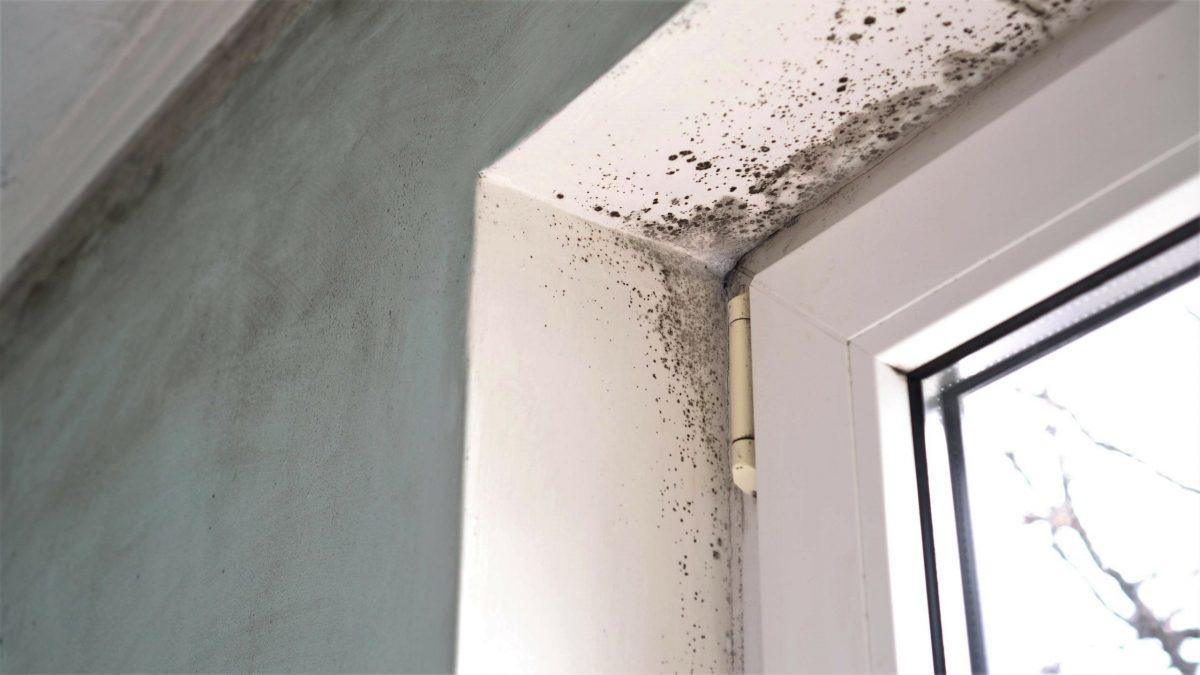
Why heating is not always enough to dry a damp wall
When a wall stays damp despite heating, it is common to think that the room simply needs more warmth. However, heating mainly acts on the surrounding air. It can improve comfort, reduce the feeling of cold and slightly encourage surface evaporation. It does not necessarily remove the water inside the materials or the cause that continues to feed the moisture.
A wall can remain damp because water is rising from the ground, because water is entering from outside, because ventilation is insufficient or because a coating blocks evaporation. Before choosing a solution, the signs should be read in the right order.
Possible causes of a damp wall despite heating
Moisture arriving from the bottom of the wall
If the marks start near the floor and gradually rise, rising damp may be one of the possible causes. In this situation, heating may dry the surface for a few hours, but the wall becomes damp again if water continues to move through the masonry.
A discreet leak or infiltration
A localised stain, a damp area after rain or a mark near a window, façade or water point should suggest possible water entry. This entry must be dealt with before anything else. A wall damp device does not treat infiltration, leaks or flooding.
Poorly evacuated condensation
Condensation often appears in poorly ventilated or heavily used rooms. Warm air can hold more water vapour. If this vapour is not removed, it settles on cold surfaces. Heating without ventilation can therefore maintain moisture rather than solve it.
Useful checks before taking action
- Check whether moisture starts at the bottom of the wall or in one precise area.
- Observe whether marks change after rain.
- Check air inlets, extraction and airflow under doors.
- Move furniture away from cold walls to improve air circulation.
- Look for salt deposits, blistering paint and crumbly plaster.
- Check cracks, gutters, joints and nearby water points.
These checks help avoid poor decisions. Above all, they reduce the risk of confusing surface condensation with moisture inside the masonry.
Mistakes that can make the situation worse
Heating more without renewing the air
Increasing the temperature is not enough if humid air remains trapped. It is better to heat regularly, ventilate briefly but effectively and check that ventilation actually works.
Painting too soon
Paint applied to a wall that is still damp may look clean for a few weeks. Then blistering, stains or peeling may return. The surface must dry and remain compatible with the chosen finish.
Hiding the wall behind lining
A lining can hide the marks, but it does not solve the source. If moisture remains behind it, smells and deterioration can continue without being immediately visible.
When to consider a solution for rising damp
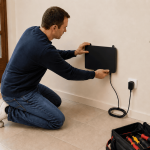
If the symptoms match moisture rising in a load-bearing wall, a solution for rising damp may be considered. ATE may be recommended first when a power socket is available and installation is possible at the bottom of a damp load-bearing wall. It must not be installed on a partition, plasterboard or lining.
If the layout does not easily allow installation of a powered device, the ATG geomagnetic device without electricity may be considered as an alternative. The Help Humidité online choice guide helps customers move towards a solution consistent with the home and the symptoms observed.
Key takeaway
A damp wall despite heating does not necessarily mean the home is poorly heated. It mainly means that heat does not always address the cause. Observe, ventilate properly, avoid blocking the wall and choose a solution only if it matches the real source of moisture.


