Choosing a wall drying device: why the floor plan matters more than floor area
October 24, 2026
Damp in the home: a room-by-room observation sheet
October 24, 2026
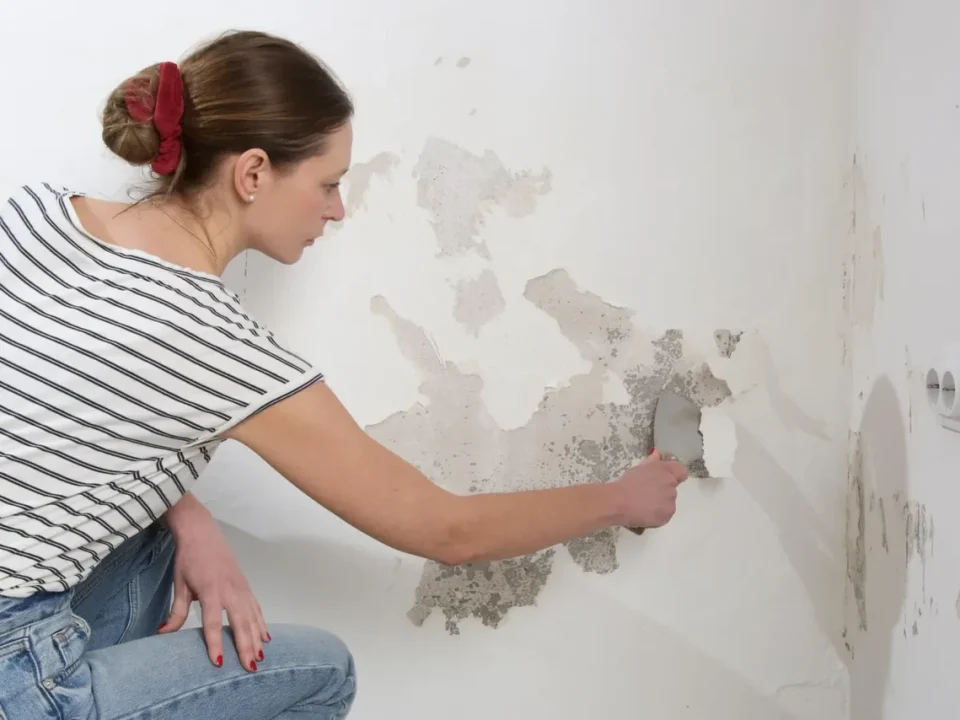
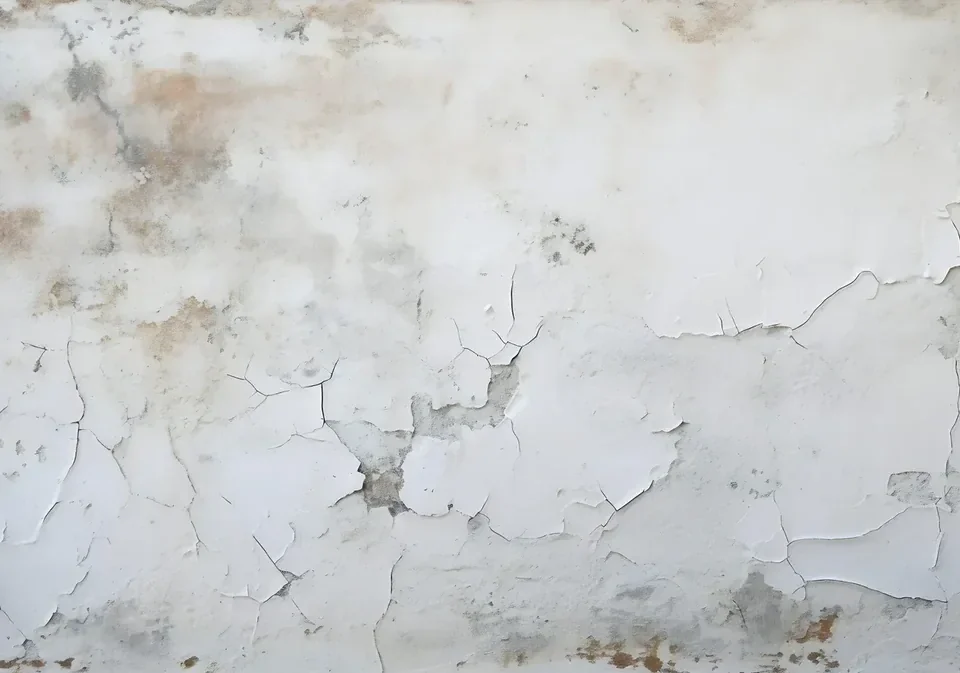
Marks can appear or move after renovation. Compare the building before and after the work rather than assuming a single explanation for every change.
Before choosing equipment, prepare a plan and dated photographs. Help Humidité provides product pages and instructions so you can examine the reference and positioning before purchase. If the moisture cause remains uncertain, clarify it before deciding on treatment and identify any independent repairs still needed.
Record what has changed
List new finishes, linings, ventilation and floor levels. Include terraces or renders now extending higher than before. Moisture may relate to an older problem, a new water source or drying of the work itself. Recover earlier pictures and application dates to reconstruct the timeline. Distinguish observations from assumptions about which alteration caused the marks.
Match treatment and substrate
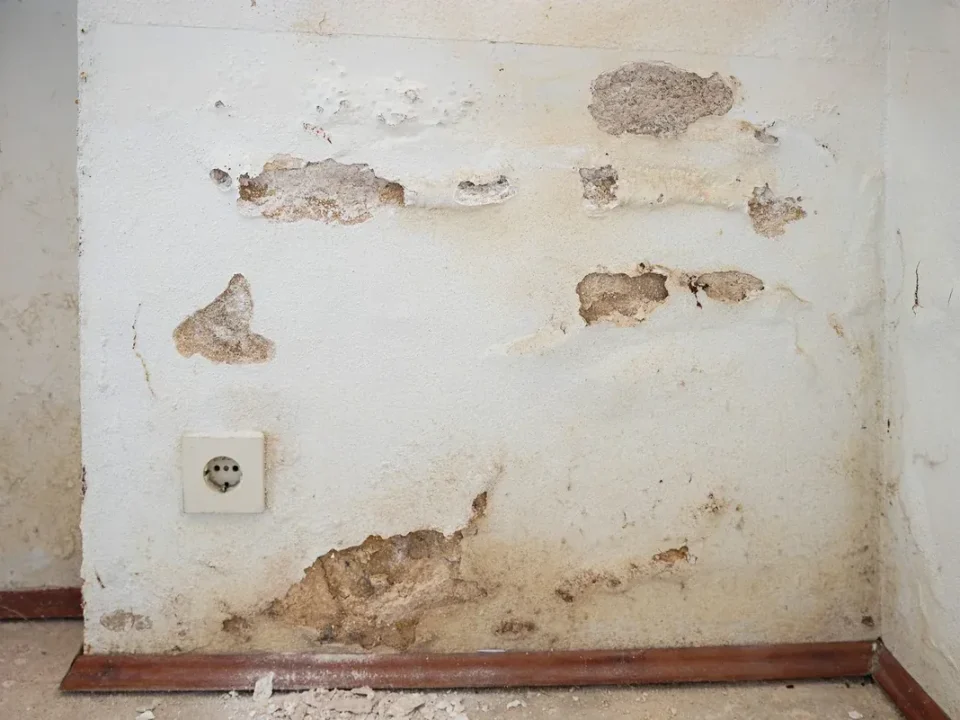
Compare accessible wall faces, nearby services and changes after rain or occupation. Rising damp, condensation and penetrating water can overlap. When rising damp is identified, consider ATE and ATG using the plan and instructions. They do not repair a leak or a facade detail that lets water in. Keep monitoring references before repainting and ask for construction moisture to be distinguished from a continuing water supply. Plan the separate interventions in the right sequence.
Before you decide
- Document the walls and possible water sources.
- Check the model and installation instructions.
- Separate fitting, monitoring and reinstatement of finishes.
A practical question
Does a new mark prove the treatment failed?
Not without checking the cause, timing and alterations. Document the problem before changing methods or covering the substrate.
Compare our wall drying devices
The range includes mains-powered ATE LC15, ATE LC30, ATE LC30 PULSE and ATE MAX, alongside ATG LC15 and ATG LC30 without electricity. The devices are manufactured in Castres, France. Compare the diameter with the building layout and follow the instructions. The manufacturer’s 10-year warranty applies under its conditions. The device does not replace independent interventions on leaks, penetrating water or ventilation.
ATE LC15 · ATE LC30 · ATE LC30 PULSE · ATE MAX · ATG LC15 · ATG LC30