Damp above skirting boards: rising damp and choosing a wall drying device
November 4, 2026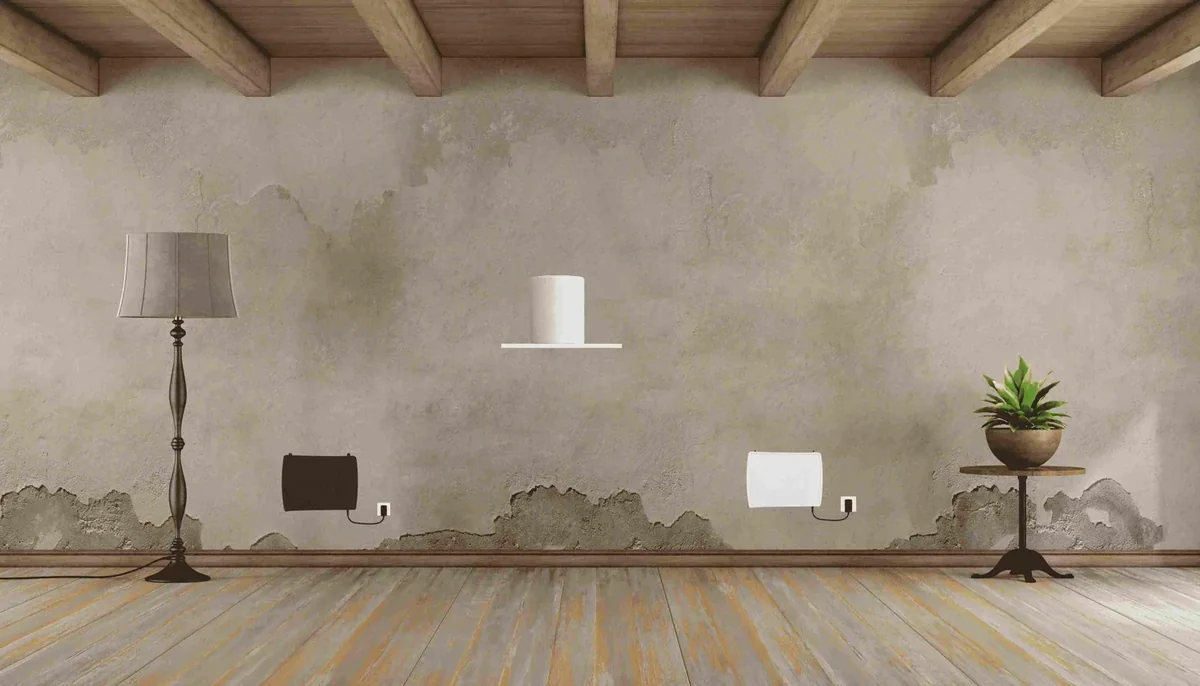
Wireless electro-osmosis, polarity reversal and ATE/ATG: understanding the product names
November 4, 2026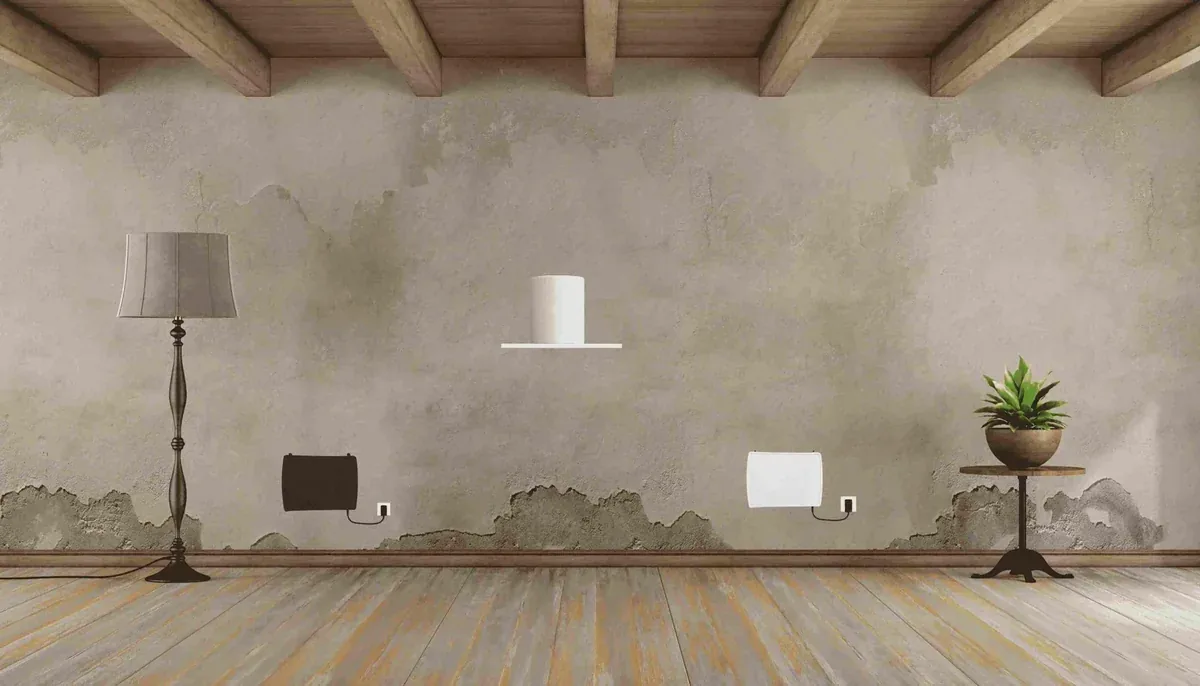
Start with the purpose of the device
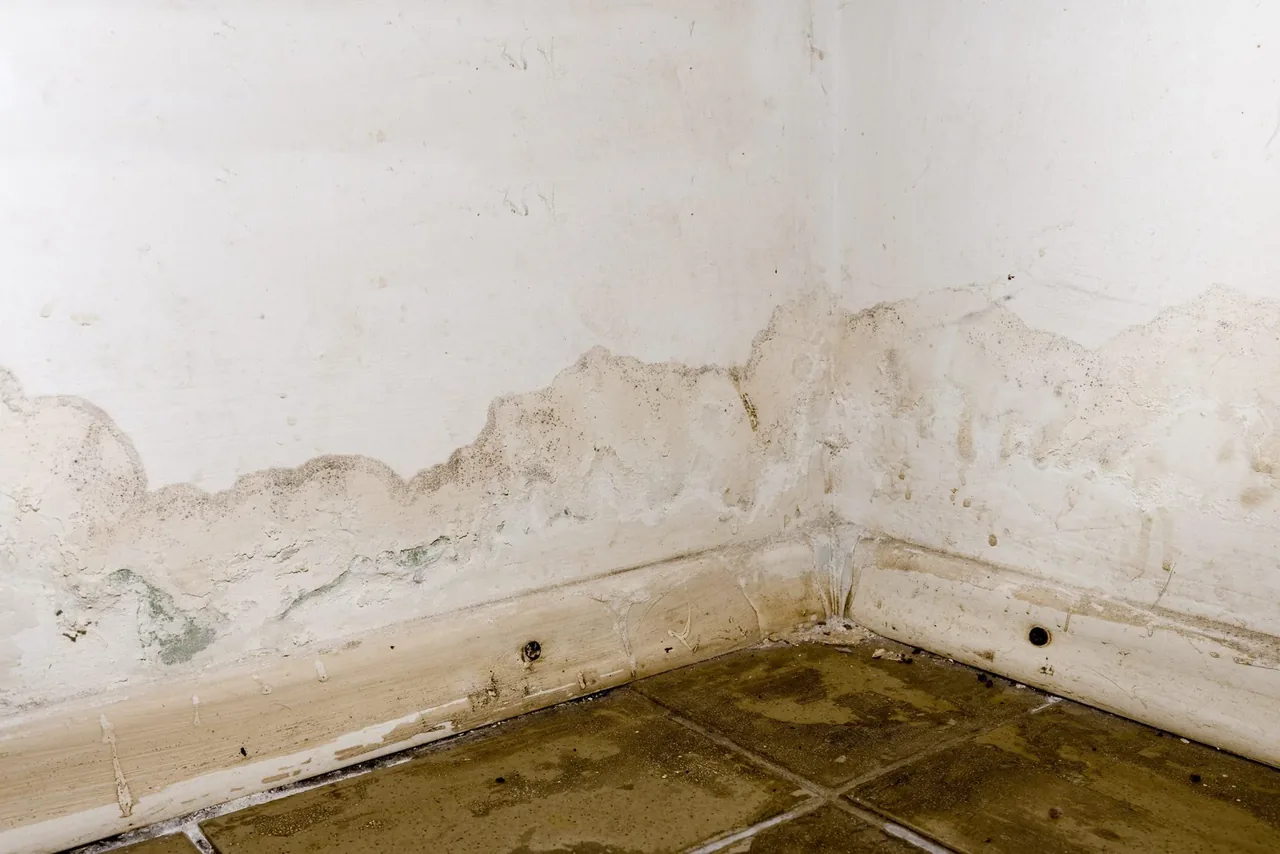
An electricity-free damp device can be useful when a house has no convenient power socket at the proposed installation point. The term describes its power requirements, however, rather than every possible problem in a closed home. Moist air, condensation and water in masonry are different issues. Choosing equipment begins with the phenomenon that the product is intended to address.
ATG operates without an electricity supply
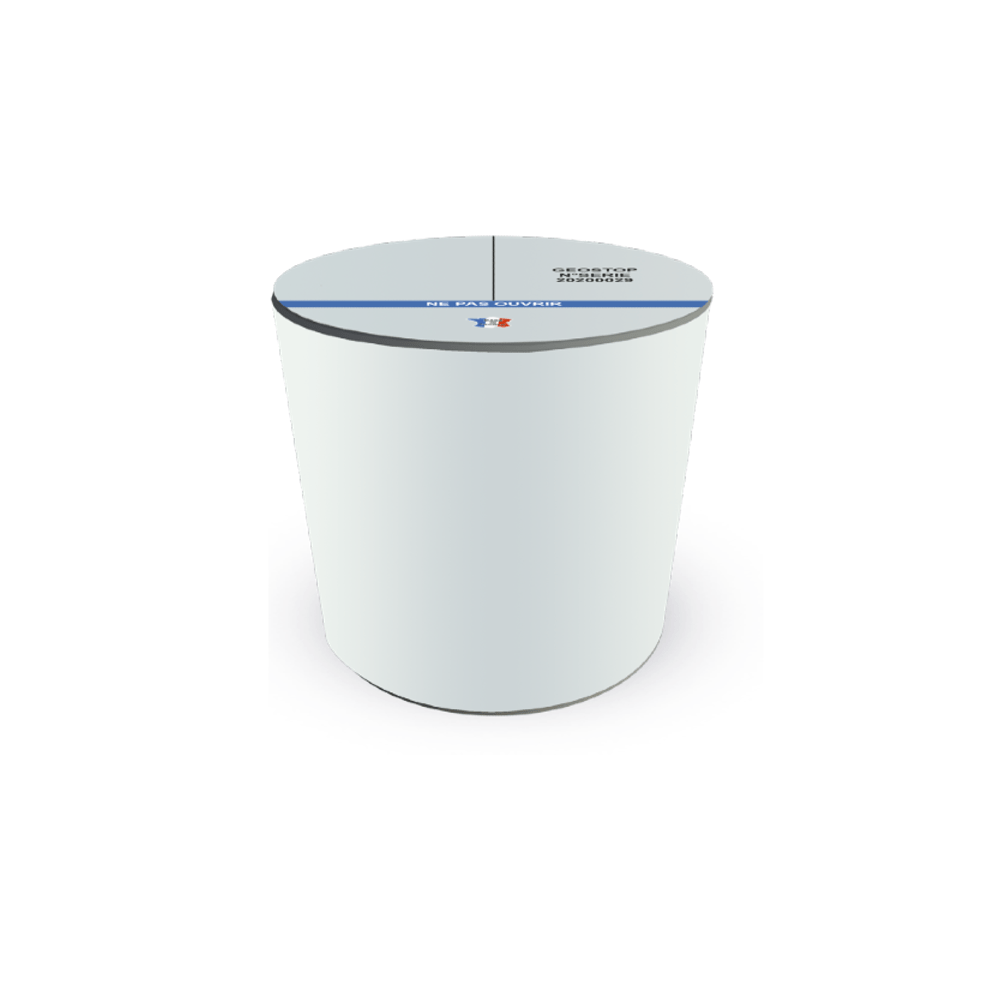
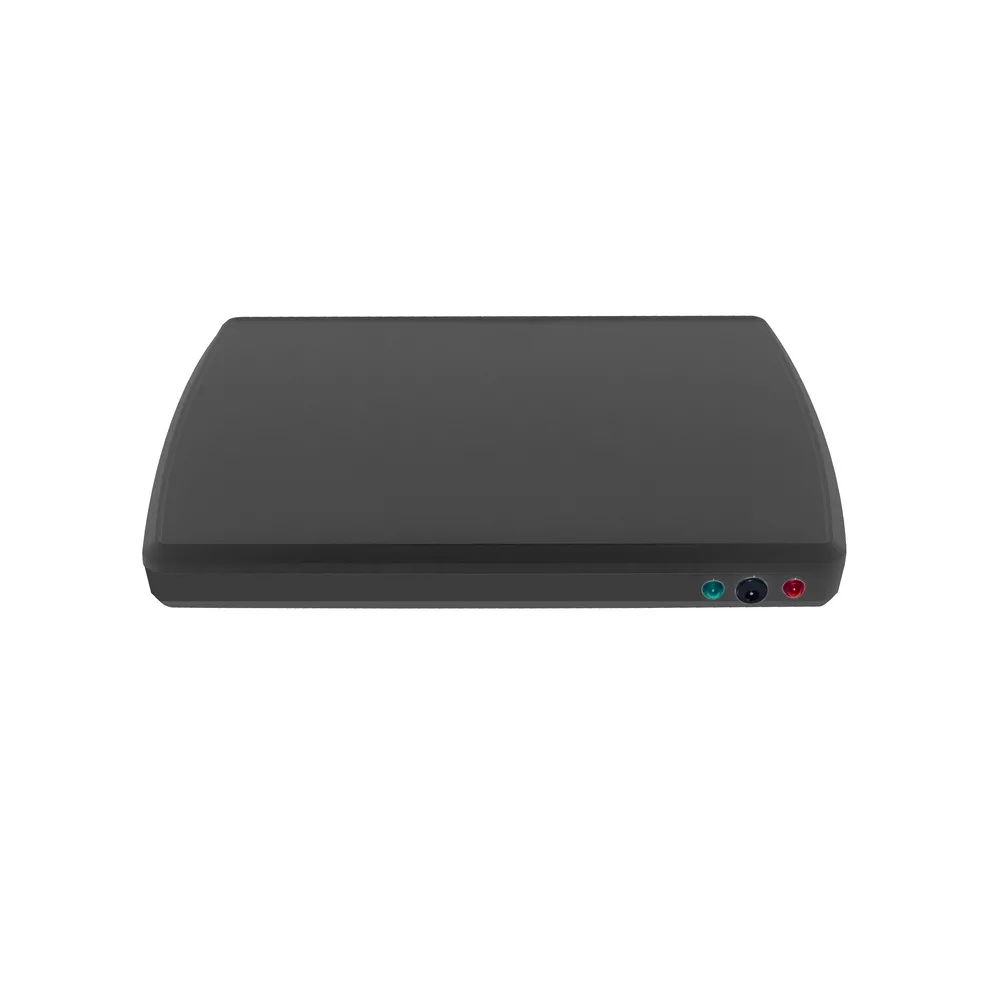
Within the Help Humidité ranges, ATG identifies geomagnetic devices that operate without an electricity supply. ATE identifies electromagnetic devices connected to the mains according to their instructions. Both ranges are offered for walls affected by rising damp. An ATG is not an air dehumidifier and should not be chosen as a replacement for ventilation or the repair of a leaking pipe.
Match the reference to the building
Compare the stated diameter with the actual layout of rooms and affected walls. A long building, an extension or separate outbuilding cannot be described by its total floor area alone. The product page and manual explain the selected reference and its installation conditions. A no-power design still needs positioning that corresponds to those instructions.
Customers install with practical advice
The customer prepares the location and installs the device using the instructions supplied. Help Humidité provides information and advice about its equipment to help with selection and mounting. Keep the correct manual available for any later reorganisation of the room. The ATE and ATG specifications make the power distinction easy to compare before ordering.
A closed house still has its own needs
A device intended for capillarity does not renew indoor air or repair rainwater entry. Ventilation and the normal maintenance of the building remain relevant during periods without occupants. Wall drying also takes a variable amount of time depending on the materials and conditions. Read the rising damp explanation and use the contact page for questions about a model or its installation.