Mould only behind the wardrobe: what to check first
October 24, 2026
15 metres across is not 15 m²: a coverage mistake to avoid
October 24, 2026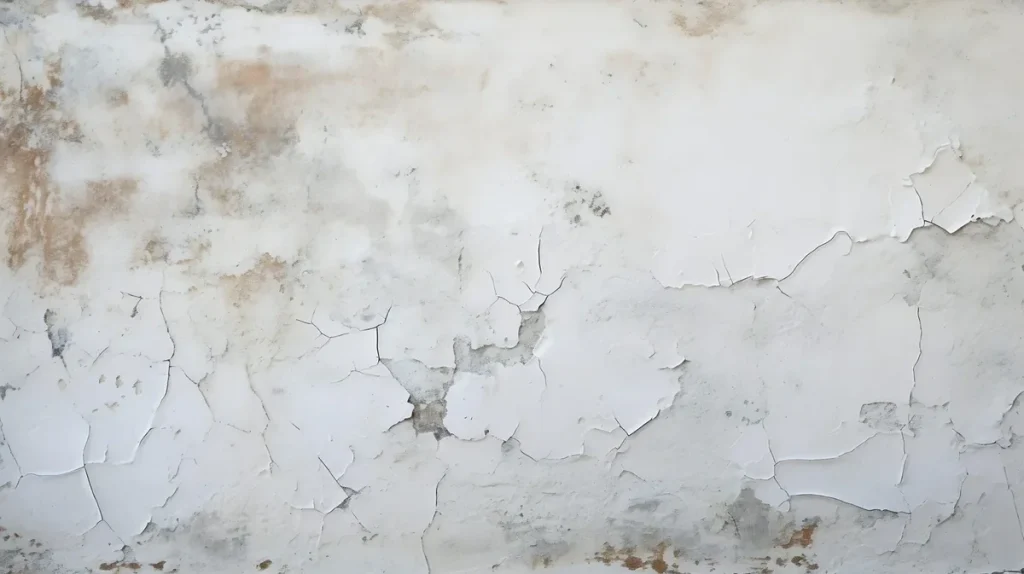
The wall has been repainted and looks less damp, yet a white deposit appears again. That return does not explain everything happening in the masonry. Separate three questions: remaining water, salts and the condition of the finish.
A white deposit is not a complete diagnosis
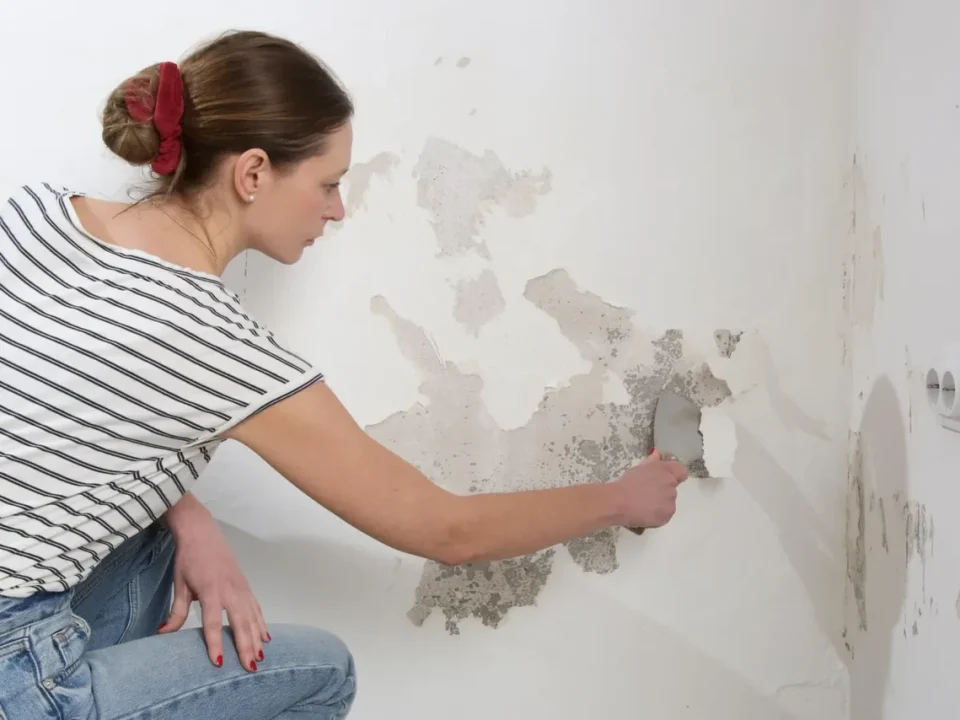
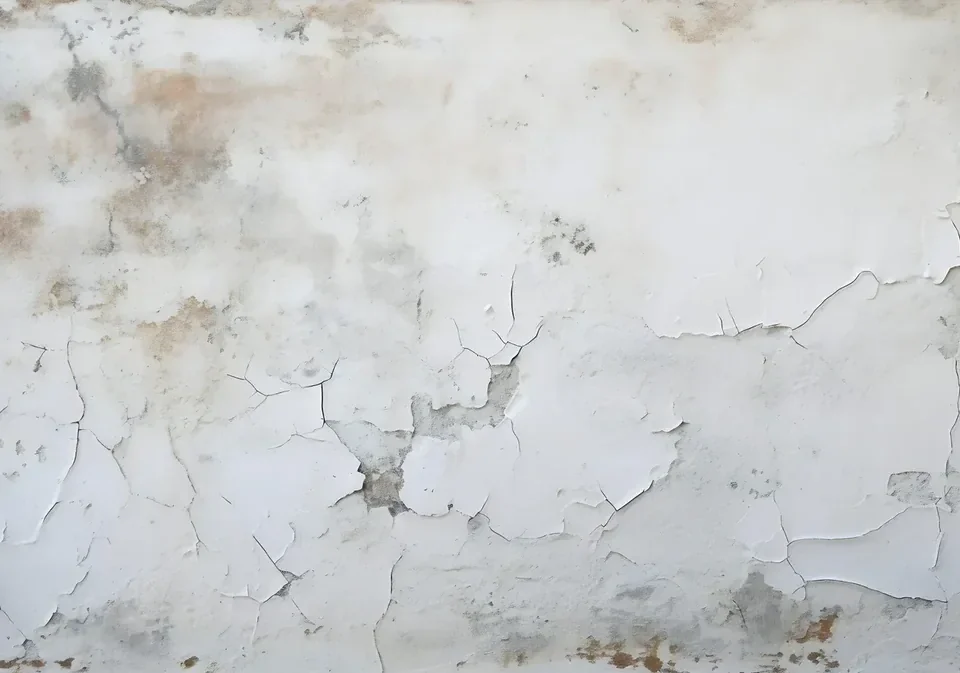
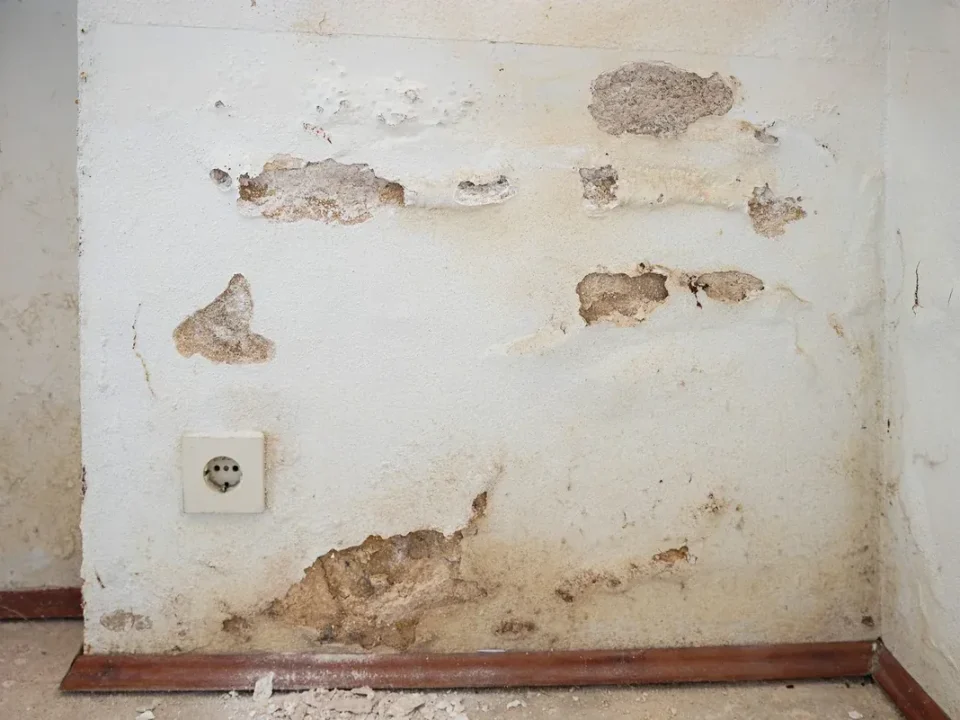
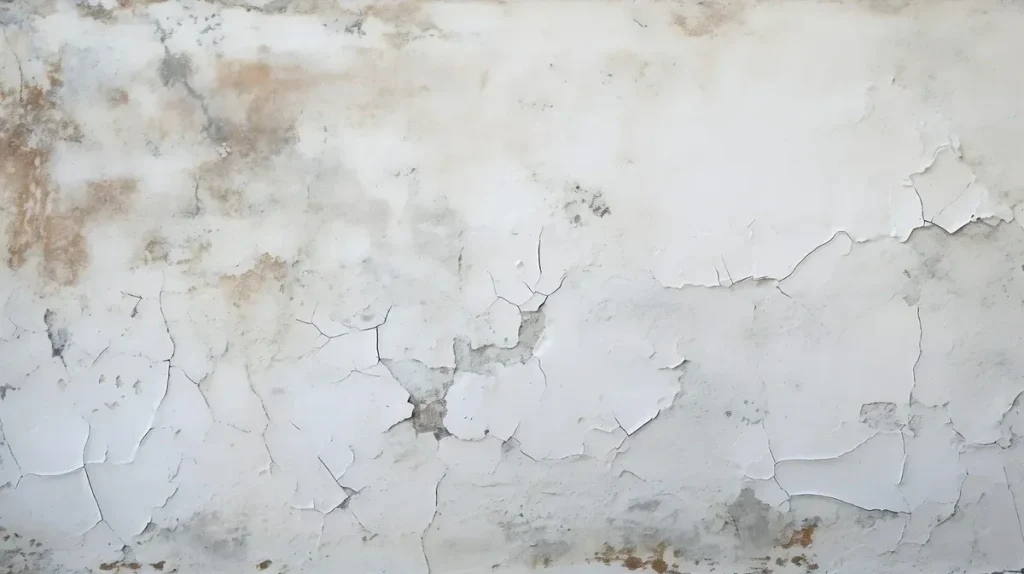
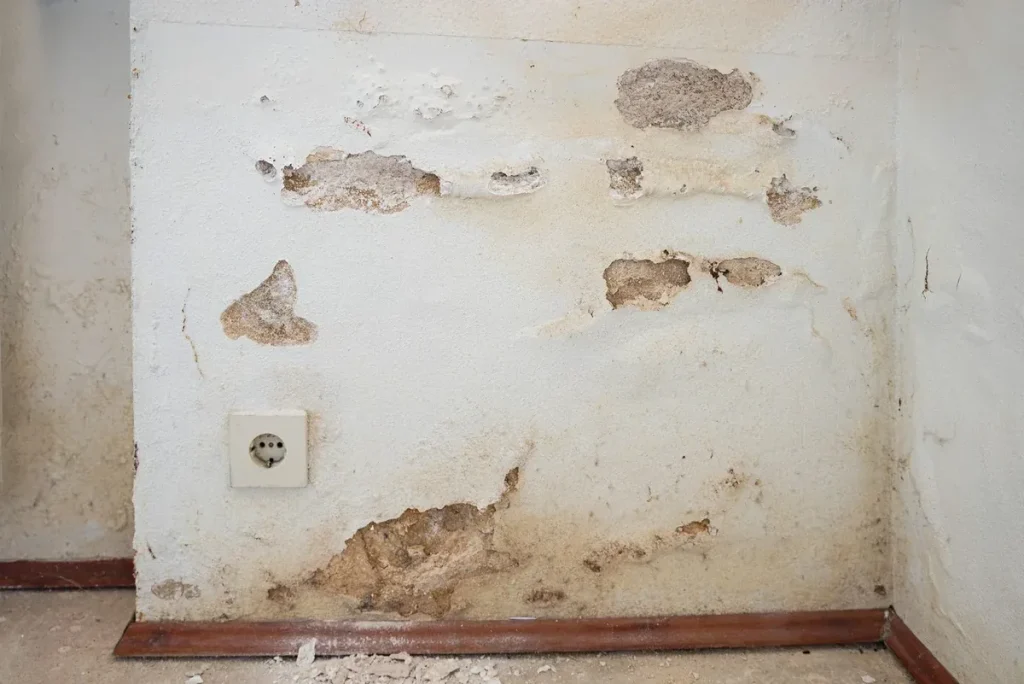
Similar-looking marks can have different compositions. A photograph shows their location, but cannot identify the salts with certainty. Record where the deposit appears and whether the surrounding paint is blistering or flaking.
Why the salts need checking
Buildwise notes that some salts absorb airborne moisture and damage finishes without an active water source. These issues need distinguishing.
A high reading on an electronic wall meter is not enough to decide the issue. Ask the person inspecting the wall what their instrument measures and how they distinguish the effects of salts from a continuing supply of water.
Prepare a record before replacing finishes
- Dated photographs of the same area.
- A timeline of previous building work and treatments.
- The type of coating used, if known.
- Changes linked to weather and the rooms affected.
Avoid adding more coats of paint before understanding the problem. If water is still entering, its source needs attention. If salts create a separate issue, the proposed finish must account for that too.
A drier appearance and fresh paint do not, on their own, establish that the masonry is ready to receive another covering.
Reference source : Buildwise.