How to install an ATE: an installation guide for damp walls
October 8, 2026
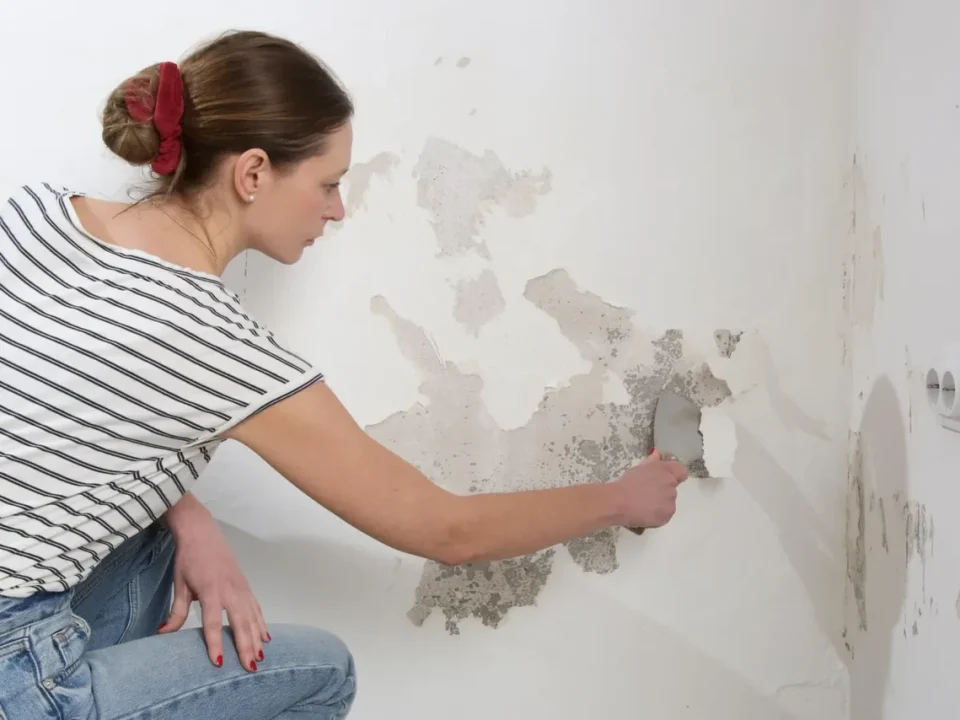
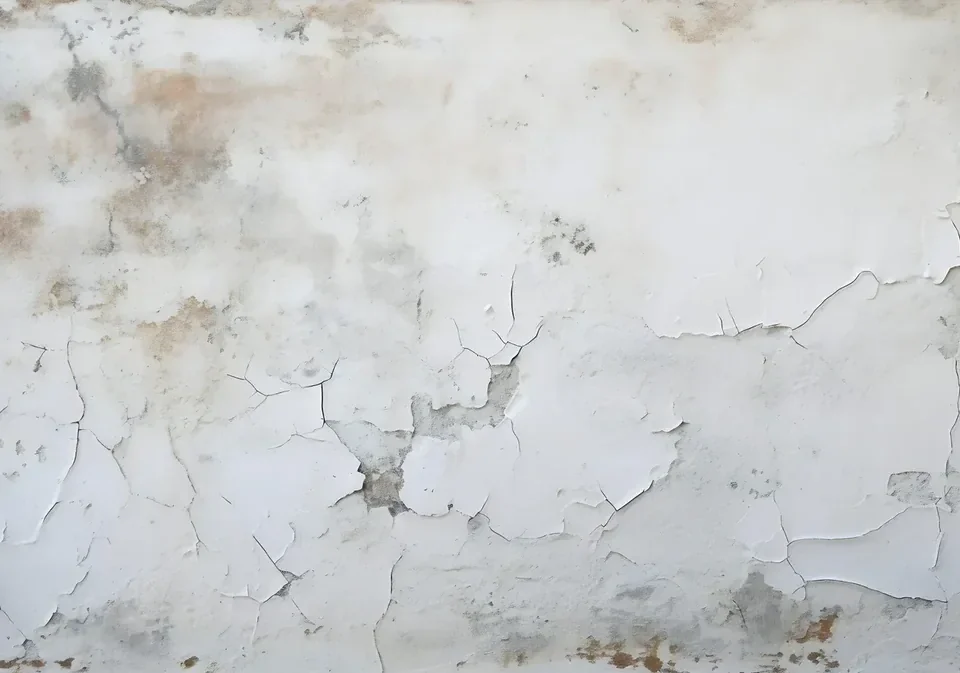
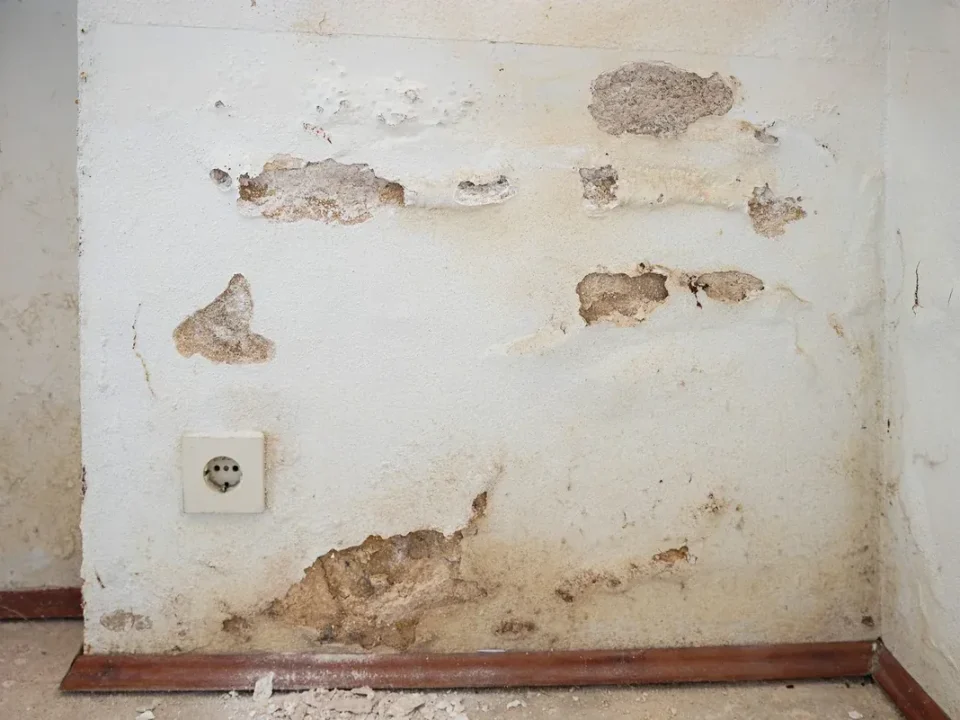
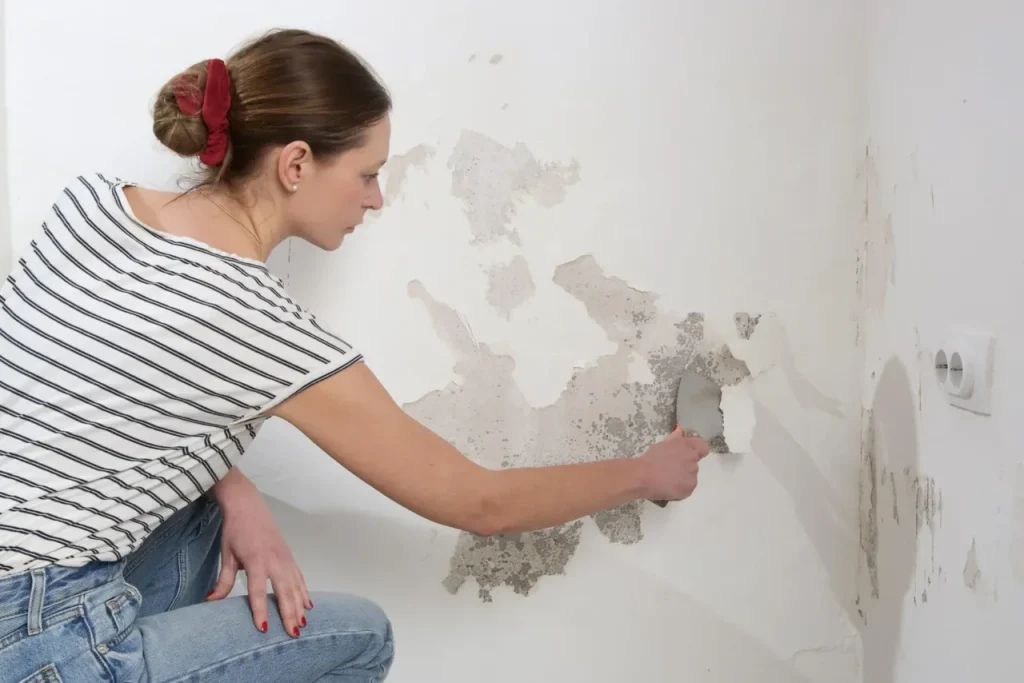
A stain after rain? The 7 photos that help a damp inspection
October 24, 2026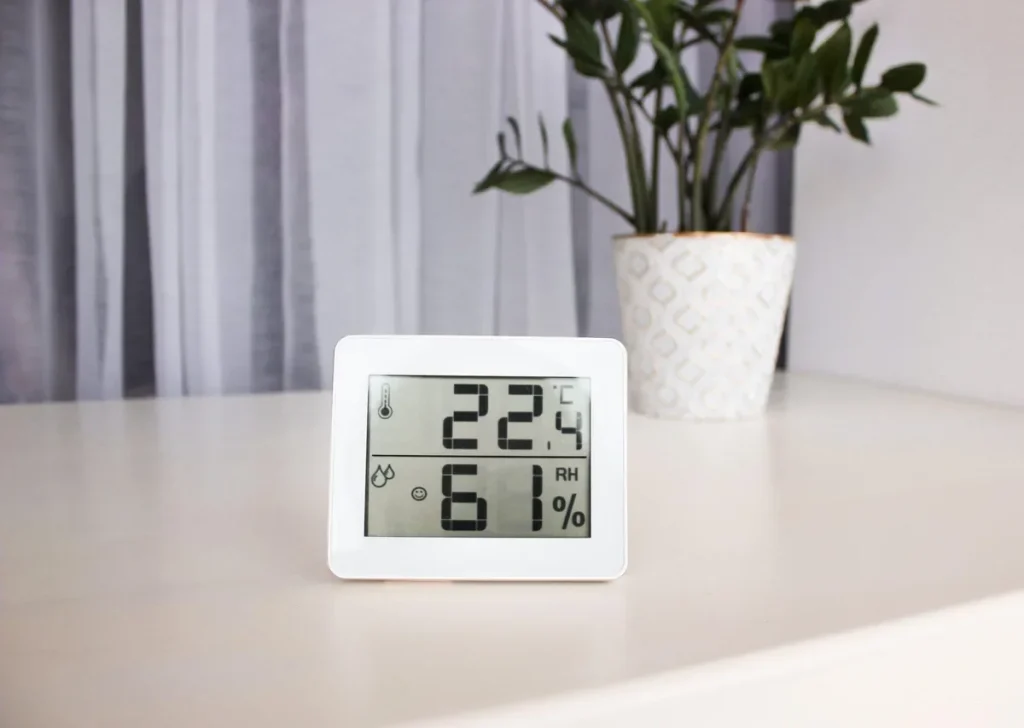
A 70% reading can make building work feel urgent. Before choosing a treatment, check what your instrument measures. A room hygrometer reports relative humidity in the air. It does not directly measure the amount of water inside a wall.
Put the number in context
A reading straight after a shower is different from a persistent value in an unused bedroom. Temperature, location and time all matter. ADEME gives 40–60% as a general recommended range for indoor relative humidity.
Keep a simple three-day record
- Leave the instrument in the same location, away from splashes and radiators.
- Record the time, temperature and humidity each morning and evening.
- Note showers, cooking, drying laundry, ventilation and rainfall.
- Look for a pattern rather than reacting to one reading.
Check the instructions too: instruments with different accuracy specifications may give slightly different results. A dated photograph of the display makes your record easier to share.
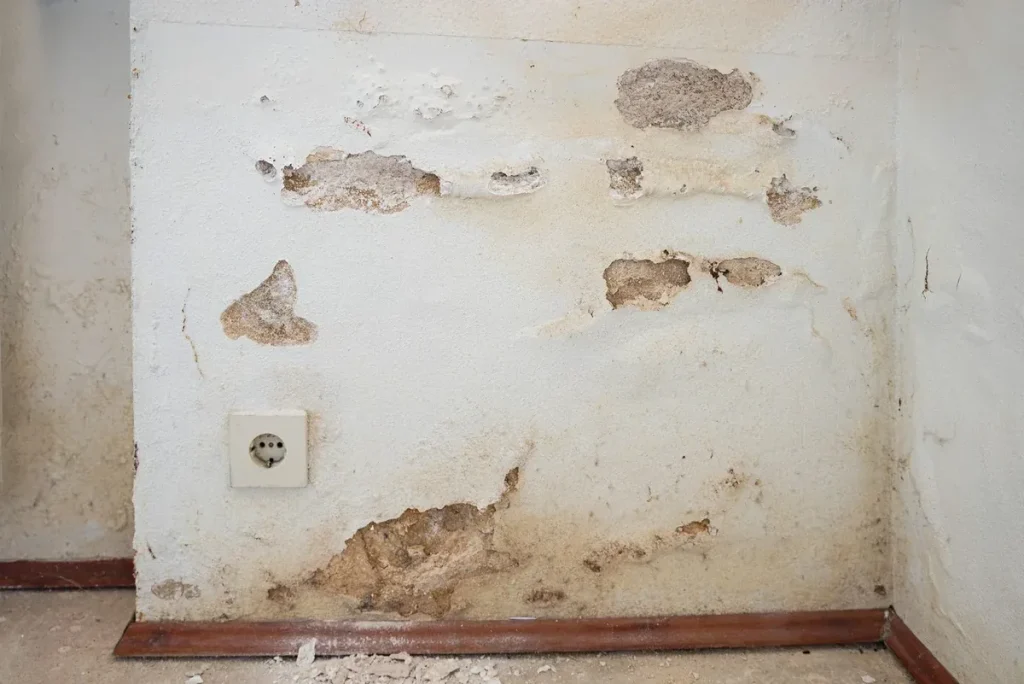
Inspect the wall separately
Note the height of any marks, whether they change, and their distance from pipes or windows. High room humidity alone does not establish rising damp. A normal reading does not rule out water getting in through a building defect either.
If the problem continues, gather the readings and photographs before asking for a diagnosis. Choose any wall-drying treatment according to the identified moisture source, rather than the number on a room hygrometer alone.
Reference source : ADEME.